Ohio dog park shooting over Trump argument could end with two self-defense claims, or none: legal expert
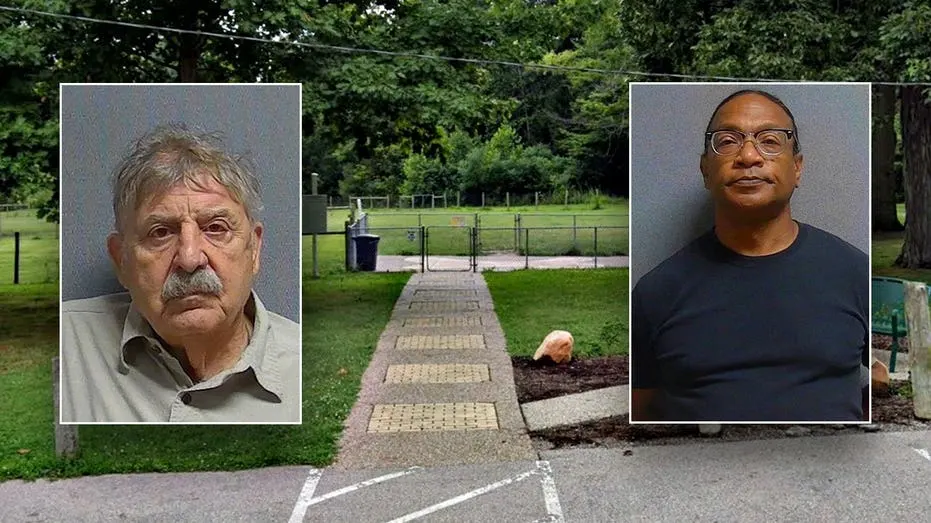
An argument about Donald Trump at an Ohio dog park escalated into a physical confrontation and a shootout, leaving one man seriously wounded and the other facing a felonious assault charge. A legal expert says a jury could find that both men acted in self-defence, or that neither can claim it, making the case unusual under Ohio law.
Emmanuel “Mike” Mathews, 81, has pleaded not guilty to shooting David Mattai, 55, at Centerville Mills Park on 21 April. Mathews’s lawyer says Mattai assaulted him and that Mathews was trying to leave; Mattai has said he feared for his safety. According to Mathews’s lawyer, Mathews fired once and Mattai then fired six times, hitting Mathews’s car at least four times; Mattai suffered a severe back wound and required two emergency surgeries.
- A political argument at an Ohio dog park ended in a shootout.
- One man faces a felonious assault charge and has pleaded not guilty.
- A jury could find both, or neither, acted in self-defence.
New here? Start with this
A dispute between two men at a dog park in Ohio escalated into violence. The argument began over politics, specifically about Donald Trump, but turned into a physical confrontation that ended with gunfire, leaving one man with a serious back wound requiring emergency surgery.
Emmanuel "Mike" Mathews, aged 81, is charged with felonious assault for shooting David Mattai, aged 55, during the incident on 21 April at Centerville Mills Park. Mathews claims he was being attacked and trying to leave when he fired; Mattai has said he was protecting himself. According to accounts from Mathews's legal team, the situation involved an exchange of gunfire between the two men.
The case is unusual under Ohio law because self-defence claims could go either way. A legal expert has suggested that a jury might conclude both men were acting in self-defence, or alternatively find that neither can claim it, creating an uncertain legal situation that will hinge on how a court interprets the evidence.
Both sides, in good faith
The strongest fair case each way — we don't pick a winner.
The case for
Under Ohio law's self-defence framework, the key question should be whether someone faced an imminent threat of serious harm and responded reasonably, not who started the broader dispute. Even if Mathews initiated a heated political argument, if Mattai then physically assaulted him, Mathews retained the right to defend himself from that assault. Each party's actions should be evaluated based on whether they reasonably believed they faced imminent danger at the moment they used force, allowing both to potentially claim self-defence depending on the evidence and circumstances.
The case against
Self-defence law should not shield those who provoke confrontations. If either party initiated or substantially escalated the conflict by turning a verbal disagreement into physical violence, they should bear legal responsibility for the consequences. Allowing combatants who initiated disputes to claim self-defence creates perverse incentives, rewards aggression, and lets people frame themselves as victims when they triggered the violence themselves. Self-defence protections should be reserved for those who genuinely did nothing to provoke the dangerous situation they are defending themselves against.