Welsh denim firm restores jeans-making jobs and skills in Cardigan
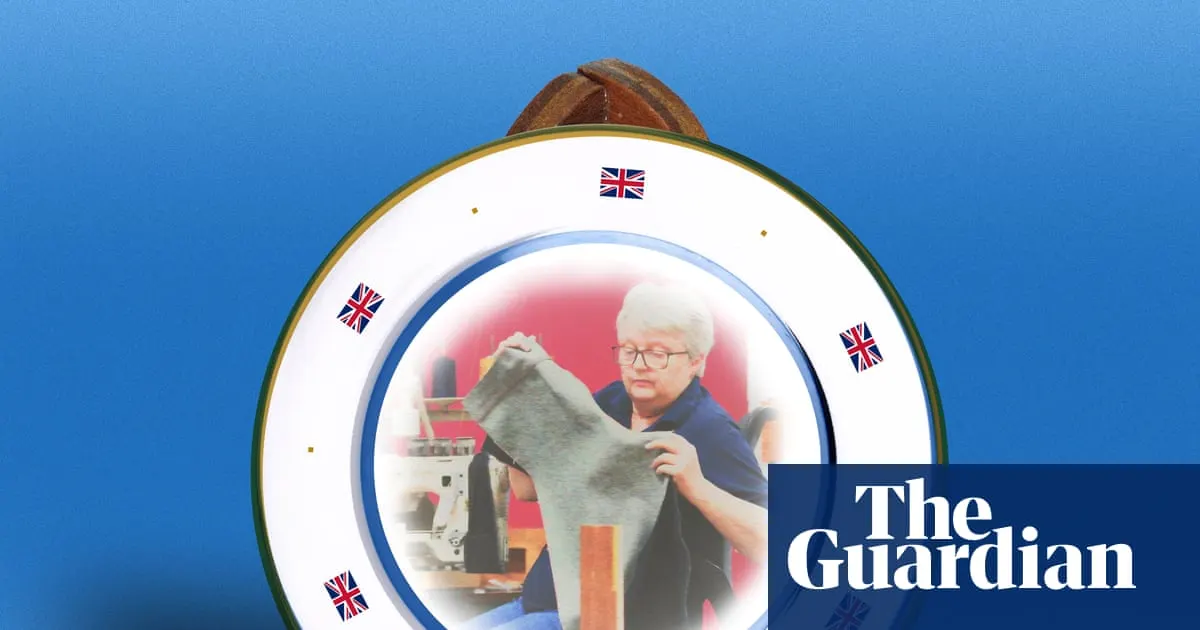
Hiut Denim has restored jeans manufacturing to Cardigan, a small Welsh coastal town that lost hundreds of jobs when the industry moved abroad at the start of the 21st century. Founded in 2011 by David and Clare Hieatt, the company has successfully brought back skilled workers including factory manager Elin Evans – who had worked at the town's now-defunct Dewhirst factory – whilst creating a sustainable business model focused on quality and local employment.
The company now employs 20 people producing 120 handmade pairs of jeans per week, with each pair sewn from 17 fabric pieces and signed by its maker. Priced between £245 and £350, the jeans have attracted notable customers including TV personalities Ant and Dec, and received significant exposure when the Duchess of Sussex wore a pair during her 2018 visit to Wales. The company faced financial challenges following the Covid pandemic despite these accolades.
- Welsh jeans factory revives traditional manufacturing skills in small coastal town
- Hand-crafted denim signed by maker costs 10 times more than high-street alternatives
- High-profile endorsements boosted sales but pandemic created financial difficulties
New here? Start with this
Cardigan is a small Welsh coastal town that was once home to a significant clothing and jeans manufacturing industry. In the early 2000s, the town lost hundreds of jobs when garment makers relocated their factories abroad to take advantage of cheaper labour.
Hiut Denim was established in 2011 by David and Clare Hieatt with the aim of bringing manufacturing back to Cardigan. The company now employs 20 workers, including some who previously worked in the town's now-closed factories, and produces around 120 pairs of handmade jeans each week, with every pair signed by the person who made it.
The firm's ability to create a successful business making quality jeans has restored both employment and manufacturing skills to a community that had lost them for years. The company has gained a notable customer base across Britain, though it has faced financial challenges, particularly following the Covid pandemic.
Both sides, in good faith
The strongest fair case each way — we don't pick a winner.
The case for
Hiut Denim demonstrates that manufacturing can be sustainably restored to communities devastated by globalisation, preserving skilled employment and craftsmanship that would otherwise disappear entirely. The company's success in building customer loyalty and cultural prestige through quality-focused production shows that viable manufacturing can exist in developed economies when positioned around craft, sustainability and authenticity rather than competing solely on cost. Even restoring 20 skilled jobs represents meaningful economic recovery for a small coastal town and proves manufacturing's return is possible.
The case against
Whilst noteworthy, restoring 20 jobs at premium prices (£245–£350) per pair is fundamentally different from the mass manufacturing employment the original factories provided to hundreds of workers. The business model appears dependent on luxury branding and celebrity endorsement rather than genuine cost competitiveness, suggesting the underlying economic forces that displaced manufacturing remain unchanged. This may represent a successful niche business rather than a scalable solution to deindustrialisation, and framing it as economic restoration risks overlooking that communities like Cardigan have not truly recovered the broad-based employment manufacturing once provided.
Art Business Celebrity Culture Economy Entertainment TV UK World
Read the full article at the source →
Originally published by The Guardian as “‘Our town is making jeans again’: meet the firm reviving jobs and skills in Wales”.