Edge Control: the art exhibition using hidden camera images to explore race and beauty
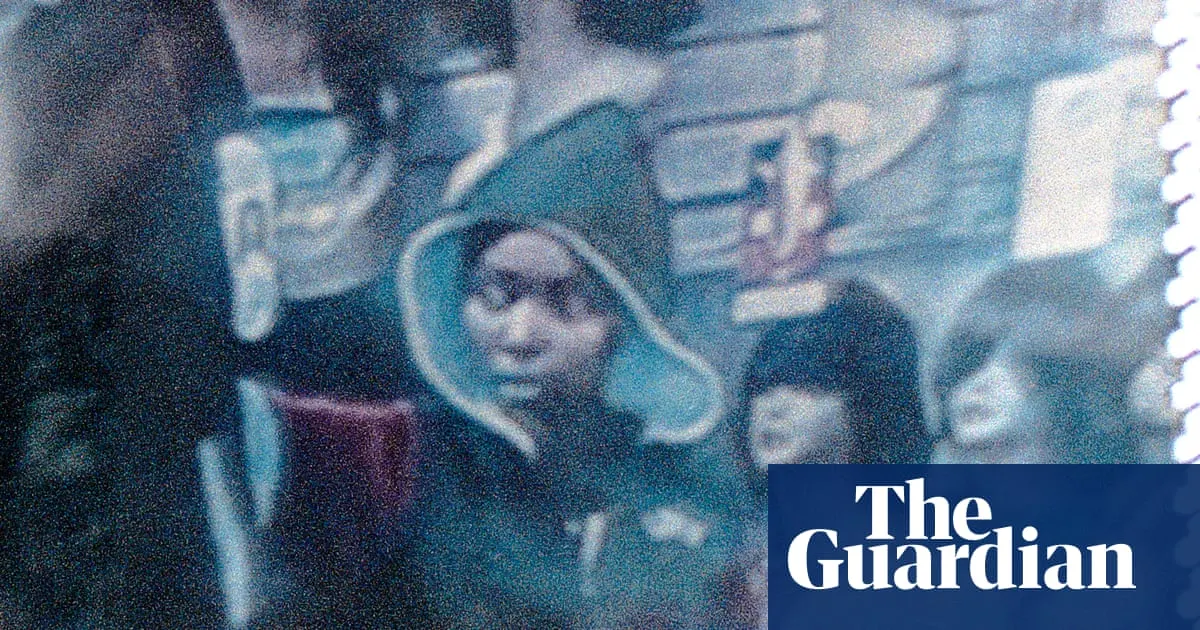
Deana Lawson’s exhibition *Edge Control* uses enlarged beauty supply shop surveillance images to explore how race, beauty and unequal power shape who is watched and how people are seen. By placing the images in a gallery, Lawson makes visitors aware of their own role as viewers and echoes bell hooks’s idea of looking back at the gaze imposed on Black people.
The photographs depict people accused of shoplifting, but Lawson does not present them as guilty or innocent. Some faces remain masked or blurred, while mirrors and two shifting holograms challenge viewers’ assumptions about what they are seeing. The show also sets the surveillance images against Lawson’s portraits of other Black people, raising questions about consumerism, agency and the beauty industry.
- Deana Lawson turns shop surveillance images into large gallery works.
- The exhibition examines race, beauty and the power of looking.
- Blurred faces and mirrors unsettle judgements about who is watched.
New here? Start with this
Edge Control is an art exhibition by artist Deana Lawson that displays surveillance camera footage from beauty supply shops. The images, originally recorded for security purposes, have been enlarged and presented in a gallery setting.
The photographs show people captured on the shops' security cameras, though Lawson does not indicate whether they are innocent or guilty. Some images have blurred or masked faces, whilst mirrors and projected moving images are placed throughout the exhibition to challenge how visitors perceive and interpret the photographs.
By moving surveillance footage from commercial spaces into an art gallery, Lawson encourages reflection on who is watched and how they are seen. The exhibition explores how race, beauty standards, and surveillance intersect, raising questions about power and whose behaviour is monitored.
Both sides, in good faith
The strongest fair case each way — we don't pick a winner.
The case for
The exhibition uses art to make important critical commentary on surveillance and racial power dynamics. By repositioning beauty shop footage into a gallery, Lawson challenges viewers to confront their own complicity in the act of looking and reflects on how surveillance systems disproportionately target Black bodies and communities. The artist's careful choices—blurring certain faces, mixing surveillance images with her own portraiture, leaving questions of guilt unresolved—demonstrate ethical consideration whilst achieving the work's broader purpose of critiquing beauty standards and consumerism.
The case against
Using surveillance footage without the subjects' knowledge or consent raises fundamental ethical concerns, regardless of artistic intention. Even if the work critiques surveillance, displaying real people's images without their agreement arguably perpetuates the very violation of privacy and dignity the exhibition claims to oppose. The subjects' consent and agency matter morally and should not be subordinated to the artist's conceptual aims, as doing so risks treating vulnerable individuals merely as material for critique rather than as people deserving respect.