Bradford trial will test social media limits for pupils aged 12 to 15
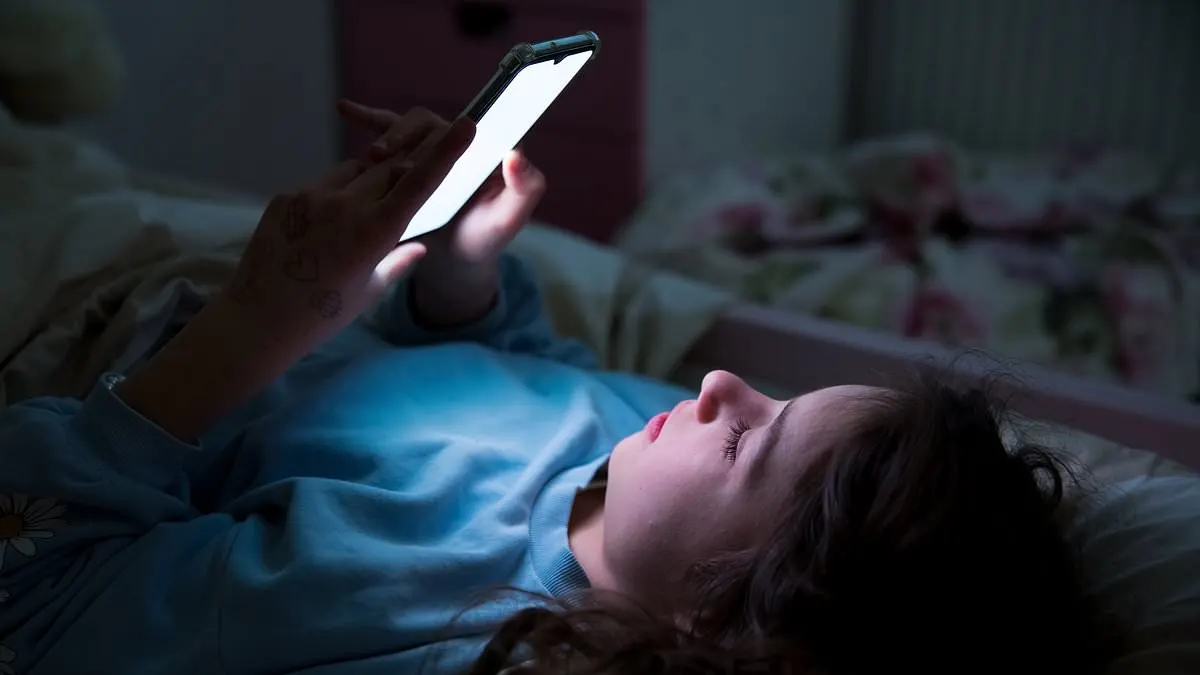
A six-week study across 12 Bradford schools will test whether limiting social media use affects children’s mental health and behaviour. The findings could inform debate about how social media restrictions affect young people, as the Government prepares new rules for under-16s.
The trial involves 4,000 to 5,000 pupils aged 12 to 15. Some will be limited to two hours a day on 10 selected apps, with a 9pm curfew, while a comparison group will use the apps as usual with activity tracked. Questionnaires will cover anxiety, sleep, body image and school life; the £1.2 million study is led by the Bradford Institute for Health Research and the University of Cambridge.
- Bradford pupils will take part in a six-week social media trial.
- Some will face a two-hour daily limit and 9pm curfew.
- Researchers will assess effects on wellbeing and behaviour.
New here? Start with this
Concerns about social media's impact on young people's mental health have grown in recent years, with parents and policymakers worried about effects on sleep, self-esteem and anxiety. The Government is considering introducing restrictions to limit under-16s' access to social media platforms, and evidence about whether such restrictions actually improve wellbeing would help inform this decision.
A research team based at the Bradford Institute for Health Research and the University of Cambridge is conducting a six-week study involving approximately 4,000 to 5,000 pupils aged 12 to 15 across 12 schools in Bradford. The researchers will examine how young people fare in terms of anxiety, sleep, body image and their experience of school life.
Some of the participating pupils will have their social media use limited to two hours a day on ten selected apps, with access blocked from 9pm onwards. A comparison group will continue using the apps as they normally would, allowing researchers to measure whether the restrictions produce measurable changes in the young people's mental health and behaviour.
Both sides, in good faith
The strongest fair case each way — we don't pick a winner.
The case for
Many young people experience significant mental health challenges linked to intensive social media use, with documented concerns about anxiety, sleep disruption, and body image distortion during critical developmental years. These platforms employ algorithms specifically designed to maximise engagement in ways that exploit adolescent psychology, and evidence-based restrictions—such as time limits and evening curfews—offer a proportionate protective measure that respects parents' responsibility to safeguard developing minds.
The case against
Young people's social connections, self-expression, and access to support networks often depend on social media, particularly for those who feel isolated in traditional settings. Restricting access without addressing underlying social or environmental factors may treat symptoms rather than causes, whilst raising concerns about institutional overreach and limiting adolescent autonomy at a developmentally critical time; moreover, research demonstrating clear causation between moderate use and lasting harm remains limited.
Art Culture Health Mental Health Research Science UK World
Read the full article at the source →
Originally published by Daily Mail as “Up to 5,000 children in UK city to have social media limited for six weeks as part of new mental health study”.