How does a backup camera actually work?
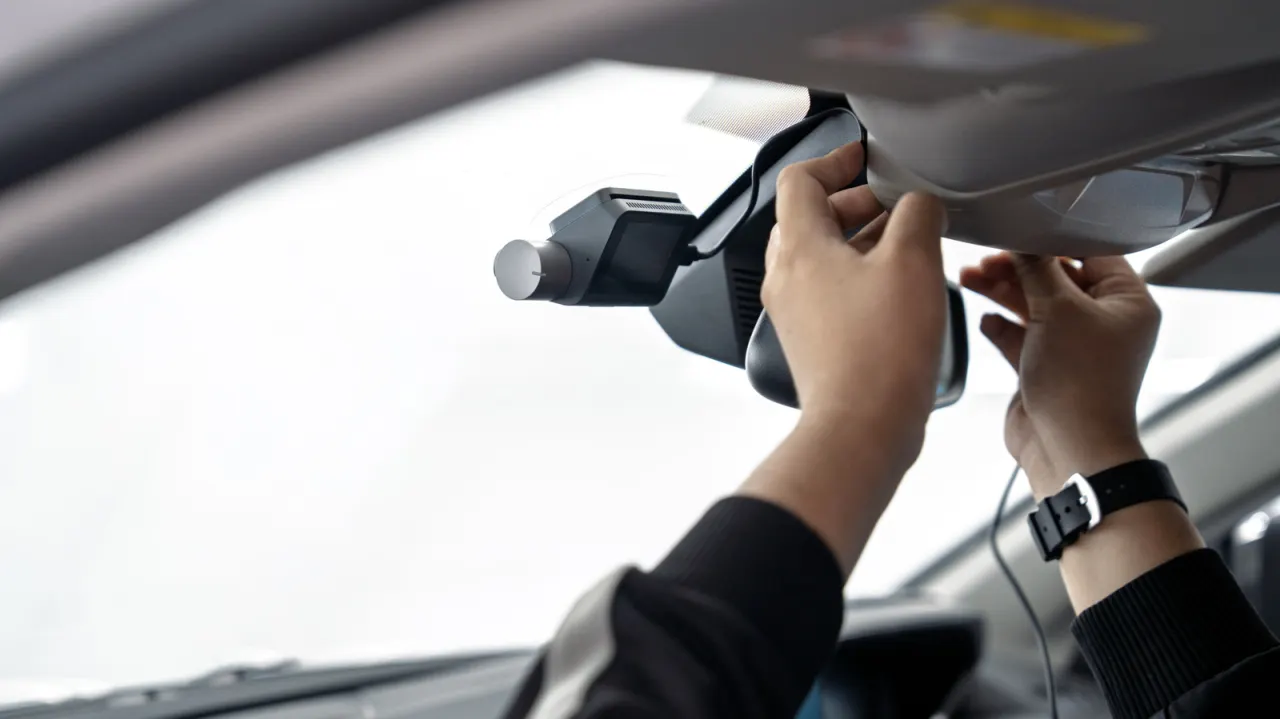
Aftermarket backup cameras provide older vehicles with improved rear visibility when reversing, helping drivers park more safely and manoeuvre in crowded spaces. These systems transmit real-time video from the rear of a vehicle to a dashboard monitor, using either wired installation (costly and complex) or wireless systems (affordable and DIY-friendly).
Wireless backup cameras typically cost between £40 and £400 and use Wi-Fi or dedicated radio frequencies to stream video that automatically activates when the car shifts into reverse. The camera lens widens the field of view and flips the video horizontally to match rear-view perspective, with power sourced from vehicle circuits, solar batteries, or USB ports. However, wireless systems lack the advanced safety features of factory-installed cameras, such as distance sensors and object detection, and may experience slight delays or lower resolution due to signal compression.
- Wireless backup cameras cost £40-£400 and self-install without professional help
- Systems use Wi-Fi or radio frequencies, automatically activating in reverse
- Aftermarket cameras lack distance sensors and other advanced features of factory systems
New here? Start with this
Backup cameras are electronic systems mounted at the rear of a vehicle to display what is behind the car when reversing. They help drivers see obstacles and improve safety when parking or manoeuvring in tight spaces. These systems are particularly useful for older vehicles that lack modern safety features.
The camera transmits a live video feed to a dashboard screen, using either a wired or wireless connection. Wired systems are reliable but complex to install, whilst wireless options are simpler and more affordable, typically costing between £40 and £400. When the vehicle shifts into reverse, the camera activates automatically and flips the video image horizontally, showing the driver what they would see in a traditional rear-view mirror.
Factory-fitted cameras in new cars often include additional features such as distance sensors and automatic object detection. Aftermarket wireless systems may experience slight delays or lower image quality due to signal compression, but offer a more affordable way to add rear visibility to older vehicles.