Browns players hit with fines for pretending to smoke after scoring a touchdown
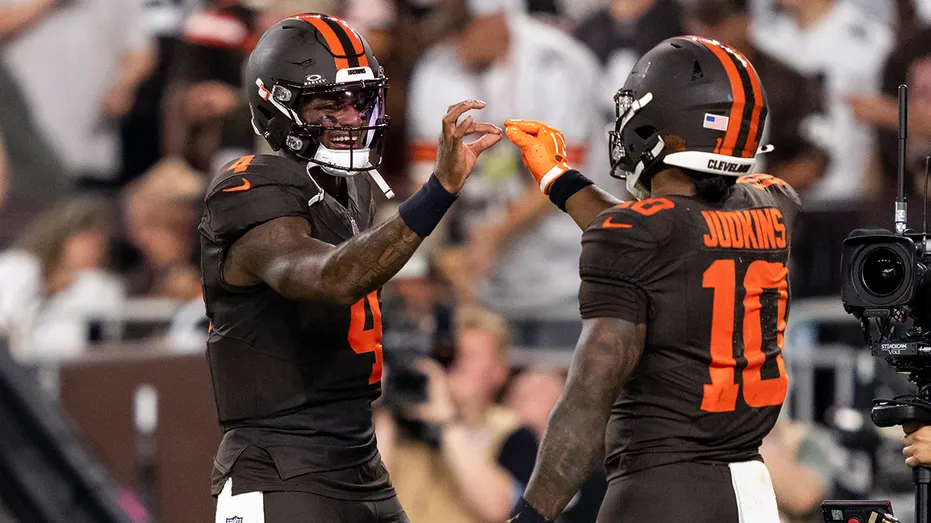
Cleveland Browns players were fined after miming a smoking gesture during a touchdown celebration against the Pittsburgh Steelers. The penalties underline the NFL’s distinction between permitted pretend drinking celebrations and prohibited smoking gestures.
Running back Quinshon Judkins and quarterback Deshaun Watson were each fined $14,397, while guard Austin Barber was fined $6,944. The league had previously rescinded fines for players who mimed drinking after consulting the NFL Players Association, but the article says that decision did not extend to smoking gestures.
- Three Browns players were fined for miming smoking.
- Judkins and Watson each owe $14,397.
- The NFL has allowed some pretend drinking celebrations.
New here? Start with this
The National Football League, America's premier professional American football competition, maintains strict rules about how players celebrate during matches. When players score, they often perform gestures or pretend actions to entertain fans, but the league restricts what is permitted. Recently, several Cleveland Browns players were penalised for miming a smoking gesture, illustrating how the NFL distinguishes between different types of pretend actions during celebrations.
Quinshon Judkins, a running back, and Deshaun Watson, the quarterback, were each fined $14,397 for the gesture. Guard Austin Barber received a fine of $6,944 for the same action during a match against the Pittsburgh Steelers. The fines demonstrate the league's enforcement of its celebration regulations.
The situation reveals an inconsistency in NFL rules. The league previously fined players for pretending to drink during celebrations but rescinded those penalties after discussions with the players' union. However, the league has not extended the same leniency to smoking gestures, suggesting it treats the two types of pretend actions differently.
Both sides, in good faith
The strongest fair case each way — we don't pick a winner.
The case for
Those supporting the fines argue that the NFL, as a prominent family entertainment platform, has legitimate grounds to discourage the public portrayal of smoking even in jest, given smoking's well-established health harms and absence of any culturally accepted social context, unlike moderate drinking. The league's distinction reflects a principled stance on preventing the normalisation of harmful behaviour through mass media.
The case against
Those opposing the fines contend that the distinction between miming smoking and drinking is arbitrary and inconsistent, particularly after the league rescinded fines for drinking celebrations. They argue that harmless, playful gestures during touchdown celebrations shouldn't trigger financial penalties, and the selective enforcement suggests the NFL is making subjective moral judgements rather than applying consistent, transparent principles.