“A great honour”: The 2000 co-star Keanu Reeves called “one of the finest actors ever”
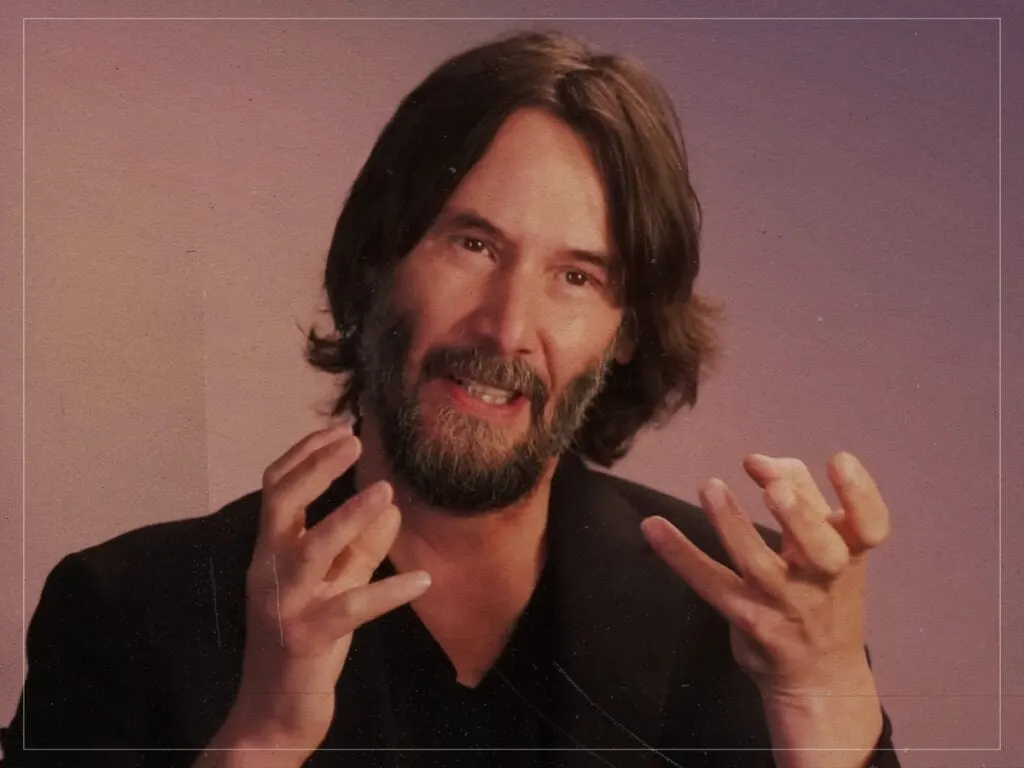
Following the global success of The Matrix in 1999, Keanu Reeves turned down a succession of lucrative blockbusters to work with Hollywood legend Gene Hackman in the sports comedy The Replacements. Reeves played quarterback Shane Falco opposite Hackman's coach Jimmy McGinty, describing the opportunity as "such a great honour" and calling Hackman "one of the finest actors ever." This choice exemplified Reeves's willingness to prioritise artistic opportunities over financial gain, even at the height of his fame.
The Replacements, based on the 1987 NFL strike, required Reeves to undergo three weeks of intensive gridiron training. Despite his preparation, the film barely recouped its $50 million production budget upon release, with critics dismissing its clichéd characters and predictable plot. This period proved challenging for Reeves's career, as subsequent projects including Sweet November and Hardball both flopped, though he recovered through The Matrix Reloaded (2003), which grossed $750 million worldwide.
- Keanu Reeves joined Gene Hackman in The Replacements after The Matrix's success
- He trained for three weeks to play quarterback Shane Falco
- The film flopped commercially but showed Reeves's artistic priorities
New here? Start with this
The Replacements is a sports comedy released after The Matrix became a huge global success in 1999. In this film, based on an American football strike from 1987, Keanu Reeves played the lead role of quarterback Shane Falco, requiring him to undergo three weeks of intensive training. Rather than capitalise on his newfound fame by taking lucrative blockbuster roles, Reeves chose to star in this film instead.
Gene Hackman is one of Hollywood's most respected and decorated actors, with a distinguished career spanning decades. Reeves's decision to work with such an acclaimed veteran reflects his prioritisation of artistic merit and the opportunity to collaborate with a performer he greatly admired, rather than pursue more commercially lucrative projects.
Whilst The Replacements failed to recoup its substantial production budget and received poor reviews from critics, the period proved challenging for Reeves, as several subsequent films also underperformed. His career faced an uncertain trajectory during this time. However, he would eventually recover through The Matrix Reloaded years later, demonstrating that artistic choices, even when they don't yield immediate commercial success, need not derail a performer's career.
Both sides, in good faith
The strongest fair case each way — we don't pick a winner.
The case for
Prioritising meaningful artistic collaboration over commercial gain demonstrates integrity and respect for the craft of acting. Working alongside Gene Hackman, widely recognised as one of cinema's greatest actors, offered invaluable experience and creative fulfilment that extends far beyond box-office returns. The fact that Reeves's career not only survived but flourished after this period, culminating in The Matrix Reloaded's significant success, validates his choice to seek artistic satisfaction over immediate financial gain.
The case against
Following The Matrix's unprecedented global success, Reeves was in a position to secure projects that combined both artistic quality and commercial viability, yet he appears to have accepted a false choice between artistic merit and financial reward. The critical and commercial failure of The Replacements, compounded by subsequent flops in Sweet November and Hardball, suggests poor career strategy during a critical period when maintaining momentum would have been advantageous. Whilst his career ultimately recovered, more discerning project selection—identifying scripts from respected filmmakers that also possessed commercial potential—would have been the prudent approach.