Social media helping new poets bypass ‘establishment gatekeepers’
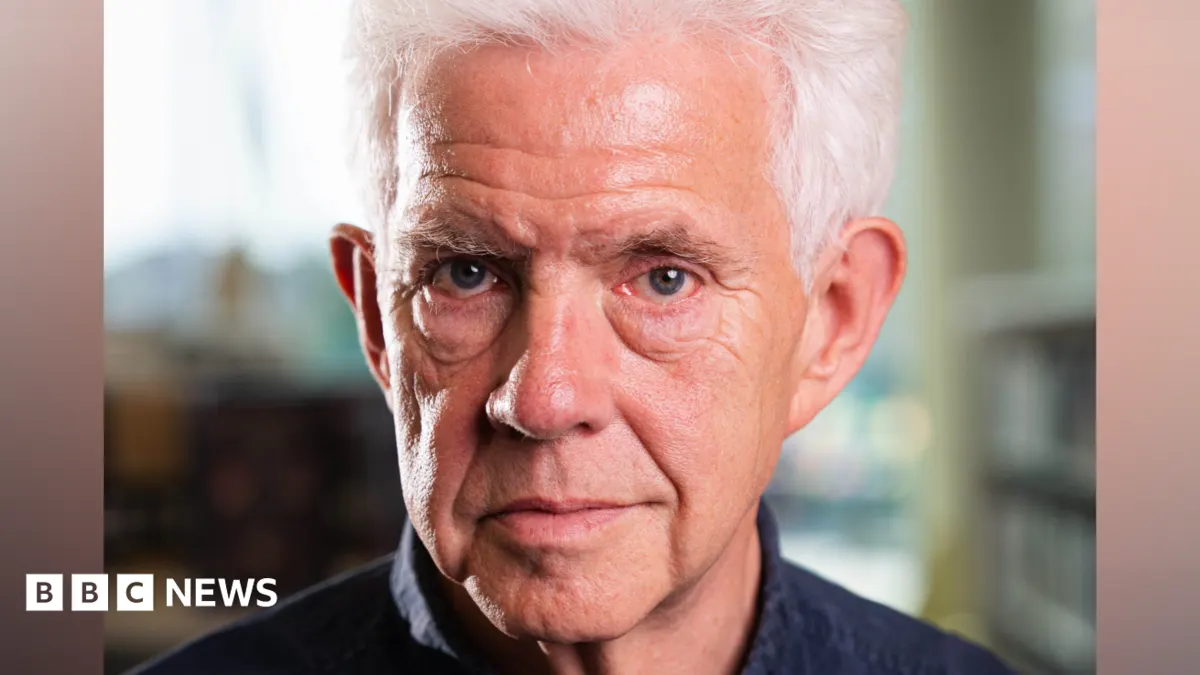
Poet Ian McMillan has praised social media for helping new poets bypass traditional publishing gatekeepers. The 70-year-old says platforms like Instagram and BlueSky are "liberating" for writers nervous about the poetry establishment, as publishing content online requires no institutional approval. McMillan, who posts daily haiku on BlueSky, argues that social media has removed barriers to publication and given emerging poets confidence to share their work.
McMillan was born in Darfield, South Yorkshire, in 1956 and has lived in the same village throughout his life. His new collection, Red River Valley, explores family life, everyday surrealism, and austerity's impact on his hometown near Barnsley. He will appear at Ilkley Literature Festival alongside authors including Jacqueline Wilson and Kate Atkinson. McMillan draws inspiration from daily village walks during which he identifies five new things each day, a practice he has maintained since childhood.
- Social media helping poets bypass traditional publishing gatekeepers
- 70-year-old Ian McMillan praises Instagram and BlueSky for empowering new writers
- His new book explores family life and austerity's effect on South Yorkshire village
New here? Start with this
Poetry publishing has traditionally been controlled by publishing houses, literary magazines, and other established institutions. To get their work published, poets would typically have to convince editors and gatekeepers in these organisations, which created barriers for many emerging writers.
Social media has opened up a new path that completely bypasses these traditional gatekeepers. Writers can now publish their work directly to an audience on platforms like Instagram and BlueSky without needing anyone's permission or approval, allowing new poets to share their writing and find readers immediately.
This shift has proven valuable for writers who feel intimidated by the publishing establishment or lack connections within it. Poet Ian McMillan argues that this direct route to an audience has been liberating for nervous writers and has given emerging poets the confidence to share their work widely.
Both sides, in good faith
The strongest fair case each way — we don't pick a winner.
The case for
Social media democratises poetry publishing by removing institutional gatekeeping that has historically excluded talented writers through arbitrary class, geography, and networking barriers. Direct audience access rewards genuine merit and popularity whilst allowing nervous or marginalised poets to build confidence and community, making the art form more accessible and representative than traditionally controlled publishing ever achieved.
The case against
Traditional publishing gatekeeping, despite its flaws, serves essential functions: professional editing, quality curation, and sustained visibility that social media's infinite algorithmic feed cannot provide. Without these institutional standards, genuinely skilled work risks drowning in an undifferentiated sea of content, and emerging writers lose access to professional development, proper promotion, and the prestige that enables long-term literary careers.