Prince Edward told girlfriend he wanted ‘two wives’ before marrying royal family’s ‘secret weapon’: memoir
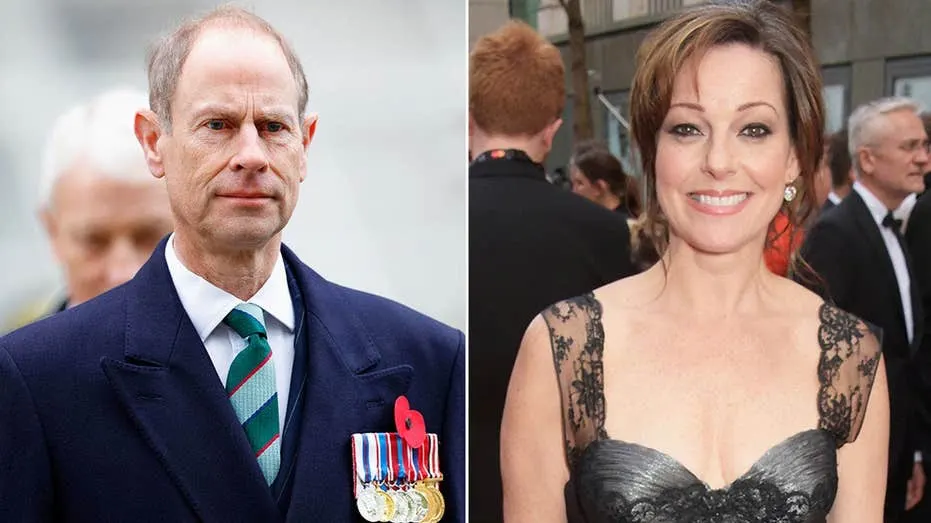
Prince Edward's former girlfriend, actress Ruthie Henshall, has revealed in her memoir that the royal told her he wished he could have two wives: one to fulfil royal duties and one to love. The pair dated from 1988 to 1993 after meeting when Henshall was performing in "Cats" and Edward worked for Andrew Lloyd Webber's theatre company. This disclosure sheds light on the tensions between personal affection and royal duty that have historically complicated royal marriages.
Henshall, now 59, ultimately ended the relationship as she realised she could not marry Edward and continue her beloved theatre career whilst navigating the rigid expectations of royal life. Royal commentators noted that such thinking is historically standard amongst royal men, as official marriages were traditionally political arrangements rather than love matches. Edward, now 62, has been married to Sophie for over 25 years and appears well-suited to her, with experts suggesting Henshall would have adapted to rather than challenged royal traditions had they married.
- Prince Edward told ex-girlfriend Ruthie Henshall he wished he could have two wives.
- Henshall ended the relationship, prioritising her theatre career over royal marriage.
- Royal experts say such thinking is historically common amongst royal men.
New here? Start with this
Prince Edward, a senior member of the British royal family, dated actress Ruthie Henshall for five years in the late 1980s and early 1990s. The pair met whilst Henshall was performing in the musical "Cats" and Edward was working for theatre impresario Andrew Lloyd Webber.
Henshall has now revealed in her memoir that Edward told her he wished he could have two wives: one to fulfil his royal duties and one to share his personal life with. She ultimately ended their relationship, concluding that she could not both marry into the royal family and continue her theatre career whilst managing the demands and constraints of royal life.
The revelation highlights a longstanding tension in royal marriages between personal affection and the obligations of royal duty. Royal marriages have historically been political arrangements rather than partnerships based primarily on romantic love, making the conflict between duty and desire a recurring feature of royal life.
Both sides, in good faith
The strongest fair case each way — we don't pick a winner.
The case for
Edward's comment demonstrates troubling attitudes about marriage and women's roles. The desire to separate duty from love into different people suggests he viewed royal partnership as fundamentally incompatible with romantic fulfilment, implying his wife would need to sacrifice her own identity and aspirations to meet his needs. This reflects a transactional view of relationships where women are expected to fit pre-defined roles rather than being valued as complete individuals. Whilst historical context matters, such sentiments still raise legitimate questions about his understanding of partnership and commitment.
The case against
This comment reflects the historical reality of royal life rather than Edward's personal failings, and using it to judge him decades later is unfair. Royal traditions did separate official marriage from personal companionship, making his observation historically accurate rather than personally problematic. That Edward has successfully built a genuine partnership with Sophie over 25 years—one that balances both love and royal duty—demonstrates he moved beyond youthful cynicism and found integration rather than separation. Extracting decades-old private comments to suggest character flaws ignores growth and contradicts the evidence of his actual marriage.