Christa told me she was afraid of the pain but was ready to die… Now she’s awake and she’s angry
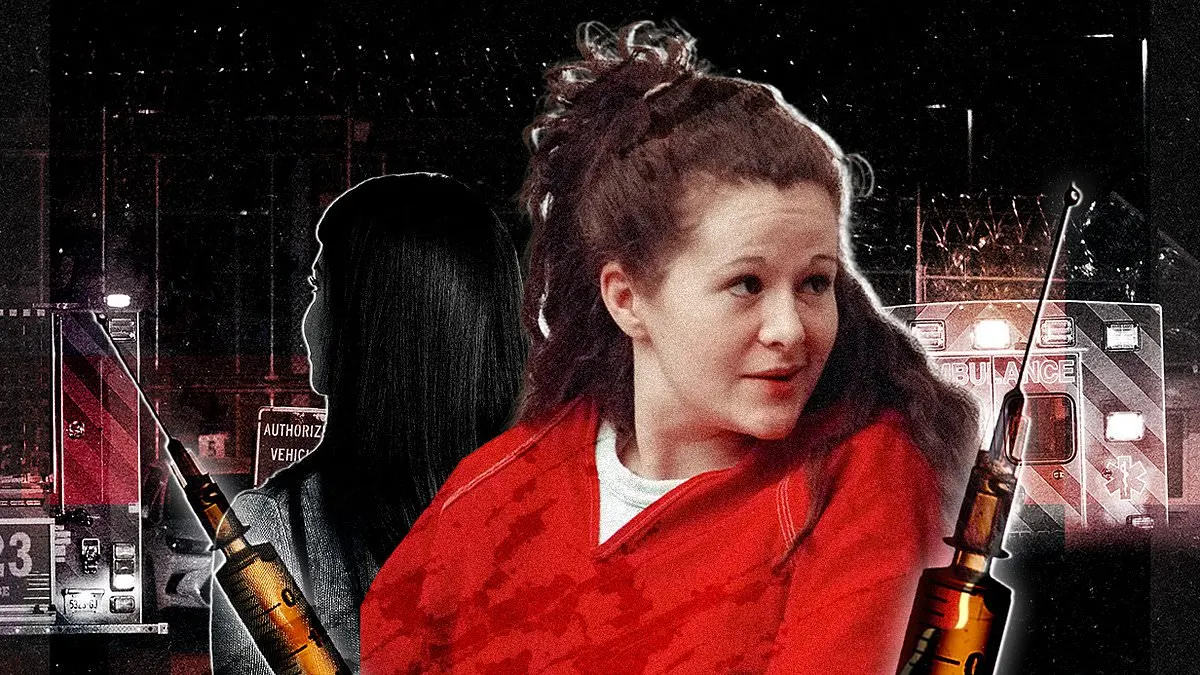
Christa Pike survived two doses of the lethal injection drug pentobarbital during a botched execution in Tennessee on 30 September. She had been due to become the state’s first woman executed in more than 200 years, but now lies in hospital under guard, leaving the future of her death sentence uncertain and raising legal and ethical questions about the execution.
Pike, 50, was convicted for the 1995 murder of 19-year-old student Colleen Slemmer, whom Pike and two accomplices lured into woodland and killed. Pike has a blood clot, swollen hands and apparent chemical burns, but has begun eating and walking; her lawyers say her physical recovery has been remarkable, while long-term effects remain unknown. Her friend Marcy Wilson says Pike is confused and angry, and hopes to visit her again.
- Christa Pike survived a botched lethal injection in Tennessee.
- She is recovering in hospital under guard.
- Her sentence and long-term health remain uncertain.
New here? Start with this
Christa Pike has spent over 30 years on death row for the 1995 murder of 19-year-old student Colleen Slemmer, whom Pike and two accomplices lured into woodland and killed. Pike was convicted in Tennessee and had been scheduled to become the state's first woman executed in more than 200 years.
On 30 September, Tennessee attempted to execute Pike using lethal injection with the drug pentobarbital. The procedure failed—Pike survived two doses and remains alive in hospital with a blood clot, swollen hands and apparent chemical burns. However, she has begun eating and walking, and medical recovery is progressing.
The failed execution attempt raises complex legal and ethical questions. It is uncertain what will now happen to Pike's death sentence. The case highlights longstanding concerns about whether executions can be carried out humanely and what the law should do when one fails.
Both sides, in good faith
The strongest fair case each way — we don't pick a winner.
The case for
Pike was convicted in a properly conducted trial and lawfully sentenced to death, a verdict upheld through appeals. The failure of a particular execution method, whilst regrettable, does not invalidate the conviction or the sentence itself. States retain authority and responsibility to carry out lawful capital sentences; technical difficulties in implementation should not become a loophole that voids sentences the courts have determined are appropriate.
The case against
Subjecting Pike to multiple execution attempts, each causing documented trauma and physical harm, crosses fundamental lines of human dignity and constitutes cruel punishment. Continuing to pursue execution after a failed attempt has inflicted severe suffering reflects a problematic disregard for the standard that punishment should not be gratuitously cruel. The evident failure of the execution method itself demands a recognition that further attempts would constitute unacceptable harm beyond what any sentence properly entails.