Reform vows to deploy Trump-style tariffs against countries that refuse to accept return of illegal migrants
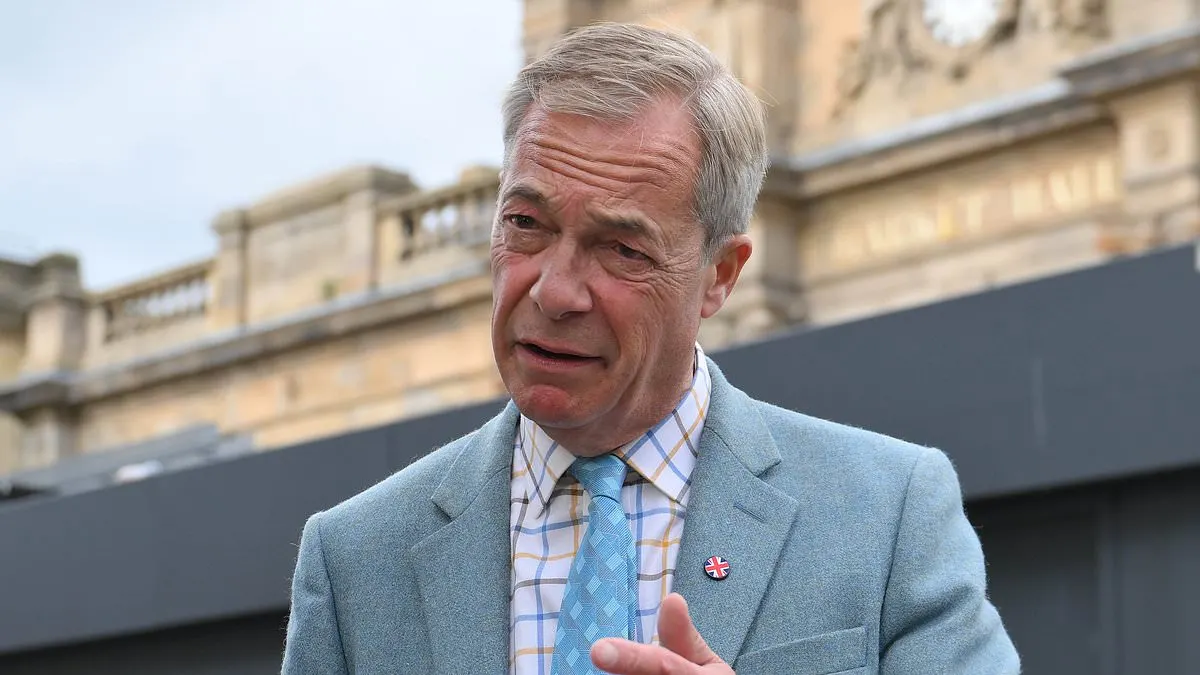
Reform UK, led by Nigel Farage, is announcing plans to impose tariffs and airline restrictions against countries refusing to accept illegal migrants being deported from Britain. The party frames this as a Trump-style approach to ending what it describes as an "invasion" and demonstrating toughness on Channel boat crossings and border control.
The proposals build on existing promises to ban new visas for nationals from Pakistan, Afghanistan, Syria, Eritrea, Sudan and Somalia. Reform is now expanding these measures to include tariffs and foreign airline bans for countries like Egypt that would not be deterred by visa restrictions alone. The party also plans to negotiate deals with third countries to deport migrants in cases where home country returns are impossible or inappropriate, and to review every refugee status granted in the five years before a potential Reform government.
- Reform pledges tariffs on countries refusing migrant returns.
- Plans include visa bans, airline restrictions, and third-country deportations.
- All refugee statuses from past five years to be reviewed.
New here? Start with this
Illegal migration to Britain, particularly through small boat crossings of the English Channel, has been a major political issue in recent years. Successive governments have attempted to remove asylum seekers and other migrants, but face a practical obstacle: some countries refuse to accept their own nationals being returned.
This creates a problem for policymakers who argue they cannot enforce immigration removal orders or control who enters and stays in Britain. Some countries claim returned individuals are not their citizens, whilst others simply refuse to cooperate, leaving deportation attempts stalled.
Reform UK is a right-wing political party led by Nigel Farage, which has made immigration control a central focus. The party has proposed increasingly strict measures intended to reduce illegal migration and increase pressure on other countries to cooperate with British deportations.
Both sides, in good faith
The strongest fair case each way — we don't pick a winner.
The case for
Countries have a fundamental international obligation to accept and readmit their own nationals. When diplomatic channels fail to secure cooperation on deportations, economic leverage through tariffs or restrictions is a legitimate tool to encourage compliance. The UK's right to control its borders and enforce deportations of those without legal status is a core sovereignty matter, and measured economic consequences represent a proportionate escalation when other methods are exhausted.
The case against
Unilateral economic coercion risks damaging important relationships whilst potentially breaching international law, and evidence suggests such measures often entrench rather than shift positions. More effective approaches involve sustained diplomatic engagement, reciprocal burden-sharing agreements within coordinated international frameworks, and addressing root causes of migration through development partnership rather than economic punishment alone.