Tusk links three Polish school attacks to online glorification of violence
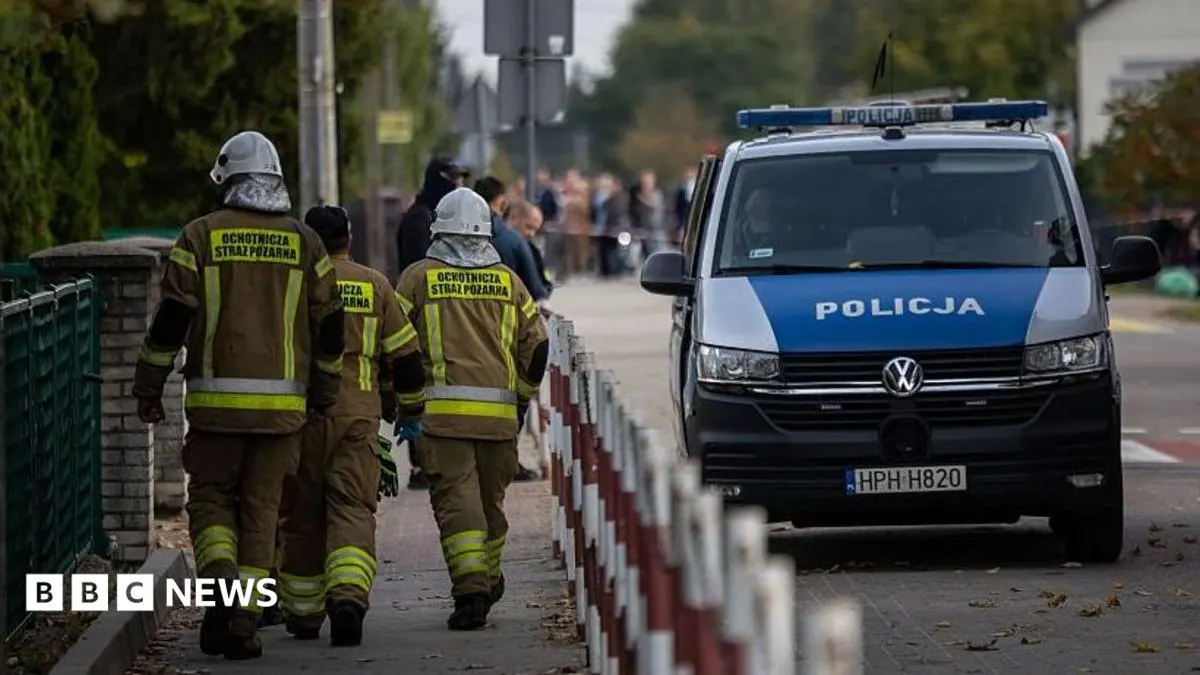
Polish Prime Minister Donald Tusk said three school attacks in one week were driven by online glorification of violence, amid a wider rise in fascination with violent figures. The incidents left a caretaker dead and several people injured, including children, prompting a nationwide police response.
Police arrested 117 people for possessing weapons or making threats after searches at tens of thousands of schools. The attacks included a 19-year-old student injuring nine people at a vocational school, a 15-year-old killing a caretaker at a primary school, and a woman injuring three people in Warsaw. Tusk said there was no large organised group, though some detainees had links to the far right; officials also reported online searches for Nazi content and mass killers.
- Three attacks at Polish schools left one person dead and others injured.
- Police arrested 117 people after searches across the country.
- Tusk linked the incidents to online glorification of violence.
New here? Start with this
Poland experienced three separate school attacks within one week, resulting in one death and multiple injuries. Prime Minister Donald Tusk linked these incidents to a broader trend of online glorification of violence and fascination with violent figures.
The attacks involved a 19-year-old student injuring nine people at a vocational school, a 15-year-old killing a caretaker at a primary school, and a woman injuring three people in Warsaw. The incidents prompted a nationwide police response, including searches at tens of thousands of schools.
Police arrested 117 people for possessing weapons or making threats during these searches. Officials found evidence that some detainees had links to far-right content and online searches related to Nazi ideology and mass killers, though Tusk said there was no evidence of a large coordinated group behind the attacks.
Both sides, in good faith
The strongest fair case each way — we don't pick a winner.
The case for
Those emphasising online content argue that the rapid spread of violent ideology and extremist material through digital platforms creates a dangerous environment for vulnerable young people. With multiple attacks in one week sharing common interests in extremism and mass killers, there is evidence of a contagion effect that demands urgent action on content moderation, platform accountability, and digital literacy to prevent copycat incidents.
The case against
Those favouring a broader approach argue that whilst online content may play a role, the underlying causes of school violence are multifaceted—including mental health crises, access to weapons, social isolation, and failures in threat assessment. Focusing narrowly on online content risks overlooking more effective preventative measures such as improved mental health services, secure weapon storage, and school-based intervention programmes that address the root vulnerabilities these young people face.
Read the full article at the source →
Originally published by BBC World as “Poland stabbings driven by online glorification of violence, Tusk says”.