Disturbing messages encouraging trans mass shooter bring shadowy figure to light… as shocked family speaks out over plot allegations
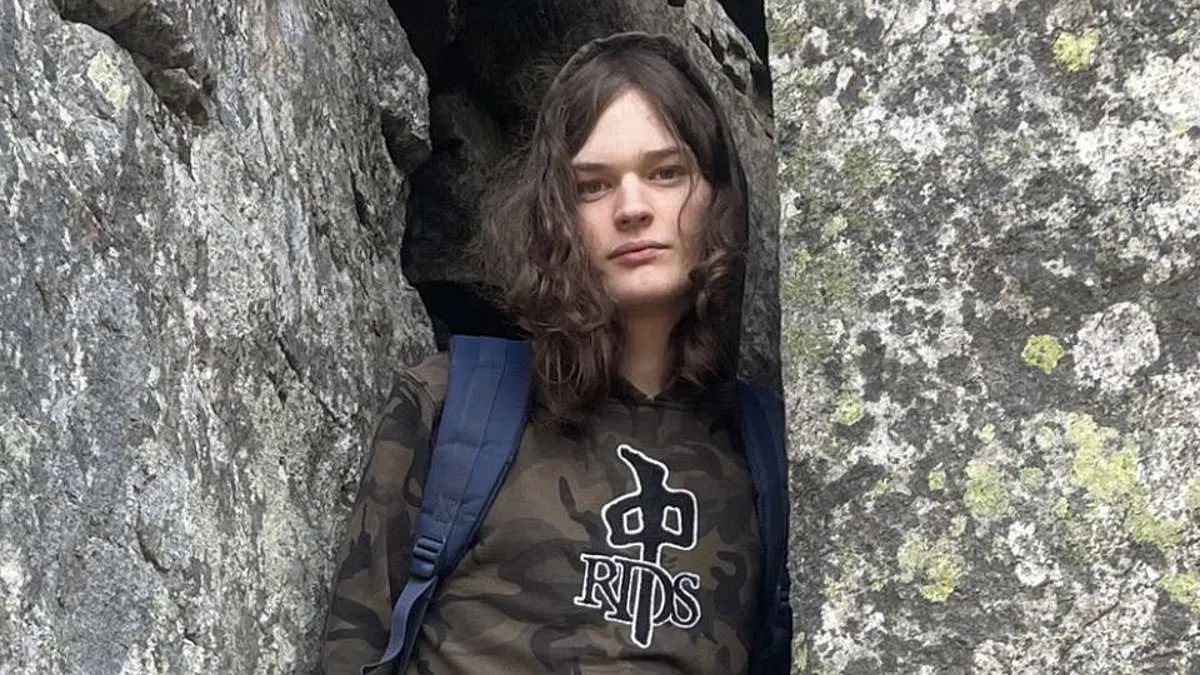
US prosecutors have charged James Cody Bryant, 30, with conspiring online with Jesse Van Rootselaar before she killed eight people in Tumbler Ridge, Canada, on 10 February 2026. The case has drawn attention to how the pair’s online contact allegedly developed into plans for an attack, and Bryant’s family say they were unaware of the messages.
An FBI complaint says the two met online around 2023 and exchanged messages, images of homemade weapons and bombs, and ideas for causing mass casualties. Van Rootselaar, 18, killed her mother and stepbrother at home, then a teacher and five pupils at her former school, before taking her own life, police say. Bryant appeared in court in Seattle and faces a charge carrying up to life in prison if convicted; he has not entered a plea. His sister said she saw no sign of extremism and had not spoken with him since mid-2025.
- US prosecutors accuse Bryant of helping plan the Tumbler Ridge attack.
- The FBI says the pair exchanged messages and weapon images.
- Bryant’s sister says she knew nothing of the alleged communications.
New here? Start with this
In February 2026, a young woman in Tumbler Ridge, Canada killed eight people—her mother and stepbrother at home, then a teacher and five pupils at her former school—before taking her own life. The attack brought to light an investigation into her online communications with an American man in his thirties, who prosecutors say encouraged and aided her plans through years of messaging.
James Cody Bryant, based in the United States, has been charged with conspiring with Jesse Van Rootselaar, who was 18 when she carried out the shooting. Prosecutors say the pair met online around 2023 and exchanged messages, images and ideas about weapons and mass casualties over the following years. Bryant has not entered a plea and faces charges that could result in life imprisonment if he is convicted.
The case highlights concerns about how online communications can potentially develop into real-world violence, and raises questions about how such contact might be detected and prevented. Bryant's family members have said they were unaware of his communications and did not see signs of extremism. The case illustrates challenges that law enforcement faces in monitoring online spaces for potential threats, particularly when they involve individuals across different countries.