Minister insists Russia didn’t sway EU referendum despite Andy Burnham’s claim of ‘clear’ interference… with PM set to reignite Brexit wars in Commons
Developing story first seen 2 hours ago
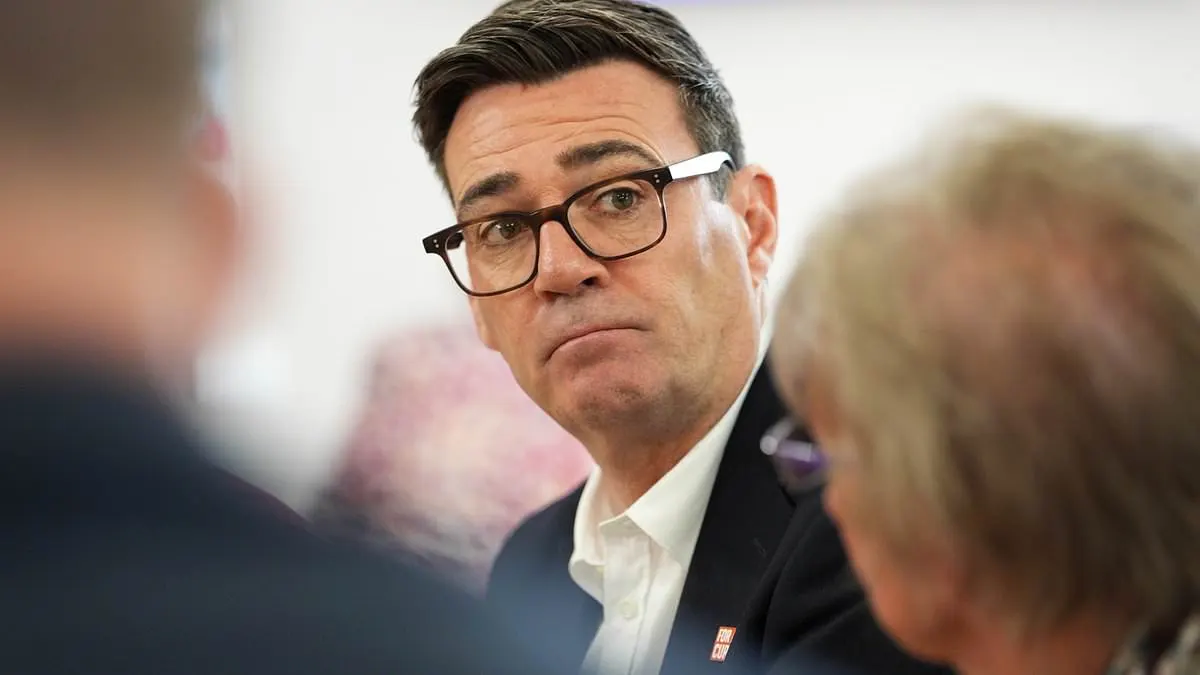
Foreign Secretary Stephen Doughty and Downing Street have stressed that Russia did not succeed in changing the outcome of the 2016 EU referendum, after Andy Burnham said he had been told there was clear Russian interference. The clarification followed protests from Conservative politicians and Nigel Farage, who called Burnham a liar, and has reopened debate over foreign influence and Brexit.
Burnham said the issue should be put on record to help voters in Germany and France understand Russian influence, and argued that UK voters had not been sufficiently informed. Downing Street said the Government considers the referendum result legitimate, but would not say whether Burnham had seen specific evidence. The row comes as the Prime Minister prepares to tell MPs that Brexit has not delivered what was promised and argue for closer EU ties ahead of a summit next month; Burnham has also raised exploring options including rejoining.
- Ministers say Russian interference did not change the referendum result.
- Burnham’s claim has prompted political backlash.
- The dispute coincides with renewed debate over closer EU ties.
New here? Start with this
In 2016, British voters decided whether the UK should leave the European Union. They voted narrowly to leave, a decision known as Brexit that has since proved deeply divisive in British politics. Arguments about whether the referendum result was fair and properly informed have continued ever since.
Questions have lingered about whether foreign countries, particularly Russia, tried to influence the 2016 vote. Andy Burnham, a senior Labour politician, has stated he was told there was clear Russian interference. A government minister, however, has disputed whether such interference changed the outcome, though he accepts that Russia attempted to interfere in elections.
The decision to leave the EU continues to dominate British political debate years later. Some politicians have begun to question the outcome and argue for closer ties with the EU instead of the path taken after the 2016 vote. These discussions have reignited debate about Brexit and its consequences for Britain.
Both sides, in good faith
The strongest fair case each way — we don't pick a winner.
The case for
Intelligence agencies have documented Russian interference campaigns targeting the 2016 referendum, and the narrow margin of the result means even modest foreign influence in the crucial final weeks could have determined the outcome. British voters were not adequately informed about these operations, undermining the legitimacy of informed consent; the public deserves transparency about foreign interference in democratic processes so other nations can make better-informed decisions in their own elections.
The case against
Whilst interference attempts may have occurred, attributing the referendum outcome primarily to Russia overlooks the genuine domestic concerns that motivated millions of British voters toward Leave. The vote reflected substantive divisions over immigration, national sovereignty, and EU governance that would have driven the same result regardless of Russian activity, and suggesting foreign interference rather than legitimate political disagreement determined the outcome undermines democratic principles by implying British voters cannot form rational political judgements.
Full account
Prime Minister Andy Burnham has sparked controversy by claiming he received confirmation of Russian interference in the 2016 EU referendum upon arriving at Downing Street this summer. During an appearance on a political podcast, Mr Burnham said he had obtained a 'clear answer' to questions about Kremlin meddling in the historic vote. The remarks mark the first occasion a sitting prime minister has made such a public declaration, and have reignited tensions within Westminster over Britain's departure from the European Union.
Mr Burnham disclosed that he had raised the matter of Russian interference whilst meeting German Chancellor Friedrich Merz in Berlin. He outlined his concern that Western democracies have been insufficiently vocal in countering Moscow's campaigns of false information. The prime minister emphasised the importance of alerting voters to external attempts to destabilise democratic processes, noting that such interference represents a significant threat from adversaries abroad.
The government's narrative quickly became muddied, however, when Foreign Office minister Stephen Doughty provided a contrasting characterisation of the same issue. When questioned about Russian meddling in the referendum, Mr Doughty declined to specify the nature or success of any interference. Instead, he stressed that whilst Russia continues to attempt disruption of democratic processes across Europe, he did not believe such interference had ultimately succeeded in altering the referendum outcome.
Mr Doughty's statements, made to multiple broadcast outlets, suggest the government's position remains ambiguous. He acknowledged that Russia presents an ongoing threat to British democracy, noting that Moscow allocates substantial resources to global disinformation campaigns. The minister called for a comprehensive societal response to these threats, whilst maintaining that British institutions possess the capacity to withstand such pressure.
The controversy has emerged as Mr Burnham prepares to reignite parliamentary debate over Britain's relationship with the European Union. The prime minister intends to argue that leaving the bloc has failed to deliver promised benefits and plans to seek closer alignment with Brussels. His recent party conference address suggested openness to exploring EU rejoining as a future electoral commitment, a position that contradicts his pre-election assertions.
One notable distinction between coverage concerns emphasis and detail. Whereas one outlet foregrounds the apparent contradiction between the prime minister's assertion and his minister's qualification, treating the story as political theatre, another prioritises Burnham's historic status as the first premier to publicly confirm interference and situates this within broader anxieties about electoral integrity. Additionally, accounts differ regarding the broadcast platforms through which Mr Doughty's remarks were delivered and the depth of contextual information provided about Russian disinformation spending and parliamentary inquiries.
Where outlets differ
Source 1 emphasises the 'muddle' and contradiction between Burnham and Doughty, framing it as political confusion; Source 2 presents Burnham's statement more straightforwardly as historic confirmation of interference
Source 1 allocates substantial space to the imminent Brexit reignition and parliamentary controversy, whilst Source 2 treats this as secondary context
Source 2 references Parliament's Intelligence and Security Committee findings from 2020; Source 1 does not mention this prior inquiry
Source 2 specifies that Russia spends £1.5 billion annually on disinformation; Source 1 omits this quantified detail
Source 1 emphasises immediate political drama and ministerial contradiction; Source 2 adopts a more formal news reporting approach
Source 1 attributes Doughty's remarks to LBC; Source 2 references Times Radio as the platform for his statements