Long-lost horror gaming cult classic P.T. gets a much-needed PC port
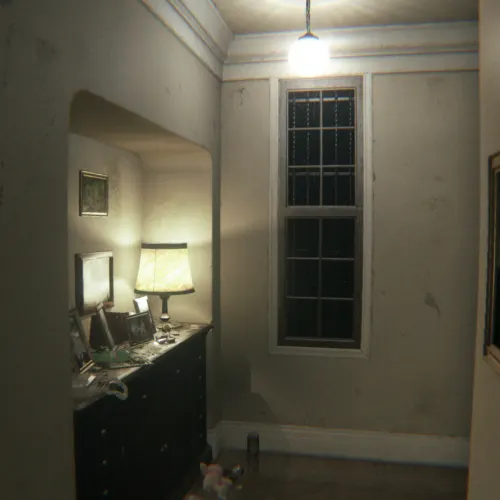
Developer Lorean Xavier has created an open-source PC port of P.T., Hideo Kojima's cult classic horror "playable trailer" that was cancelled and delisted from PlayStation 4 over a decade ago. This preservation effort is significant because P.T. is historically important but inaccessible to most players, and the original hardware on which it exists will not survive indefinitely.
Xavier's project rebuilds the P.T. engine in C++ and Vulkan using the original PS4 files, faithfully recreating every level, model, texture, sound, script and cutscene. The port adds substantial new features including upscaling, frame-generation, a camera mode, experimental third-person and VR support, and a "museum" section with in-game assets and unused content. Xavier spent years studying P.T. and Fox Engine, using AI tools only for debugging, and developed the port entirely unpaid out of personal dedication to the game.
- P.T., Kojima's long-lost horror game, now playable on PC via fan-made port
- Developer spent years rebuilding engine in C++, adding VR and upscaling features
- Preserves historically significant game as original PS4 hardware ages
New here? Start with this
P.T. is a free horror game released in 2014 by acclaimed video game designer Hideo Kojima as a surprise promotional release for an upcoming horror title. Though marketed as a "trailer", it became celebrated as a substantial and innovative game in its own right, winning a devoted following within the gaming community.
The game was pulled from PlayStation 4 stores and made inaccessible to new players after a public falling out between publisher Konami and Kojima. This happened over a decade ago, meaning most people today cannot legally purchase or download the game, even on the original PlayStation 4 console for which it was made.
P.T. is now considered an important part of video game history and horror gaming culture, but it remains vulnerable. The ageing original hardware will eventually fail, and without preservation efforts, the game risks being lost entirely to future generations of players and researchers.
Both sides, in good faith
The strongest fair case each way — we don't pick a winner.
The case for
P.T. represents an important historical and cultural artefact that has been deliberately made inaccessible to most players, with the original hardware destined to degrade and potentially erase this significant work from gaming history entirely. This preservation effort faithfully recreates the game using meticulous study and unpaid dedication, functioning much like archival work in other media to prevent cultural loss. Since Konami has chosen not to make P.T. available through legitimate channels, this community project fulfils a crucial function that rights-holders have abdicated.
The case against
Konami retains the legal right to control how its intellectual property is reproduced and distributed, and the port uses the company's proprietary assets without authorisation, constituting copyright infringement under existing law. The principle that creators and rights-holders maintain control over their works is fundamental to creative industries, and allowing unauthorised reproductions—regardless of intent—sets problematic precedent that could incentivise others to circumvent proper channels. If P.T.'s cultural importance is genuine, legitimate preservation pathways through licensing or official partnerships should be pursued rather than unilateral distribution.