Northern Ireland veterans say Labour’s Troubles Bill changes leave troops exposed to prosecution
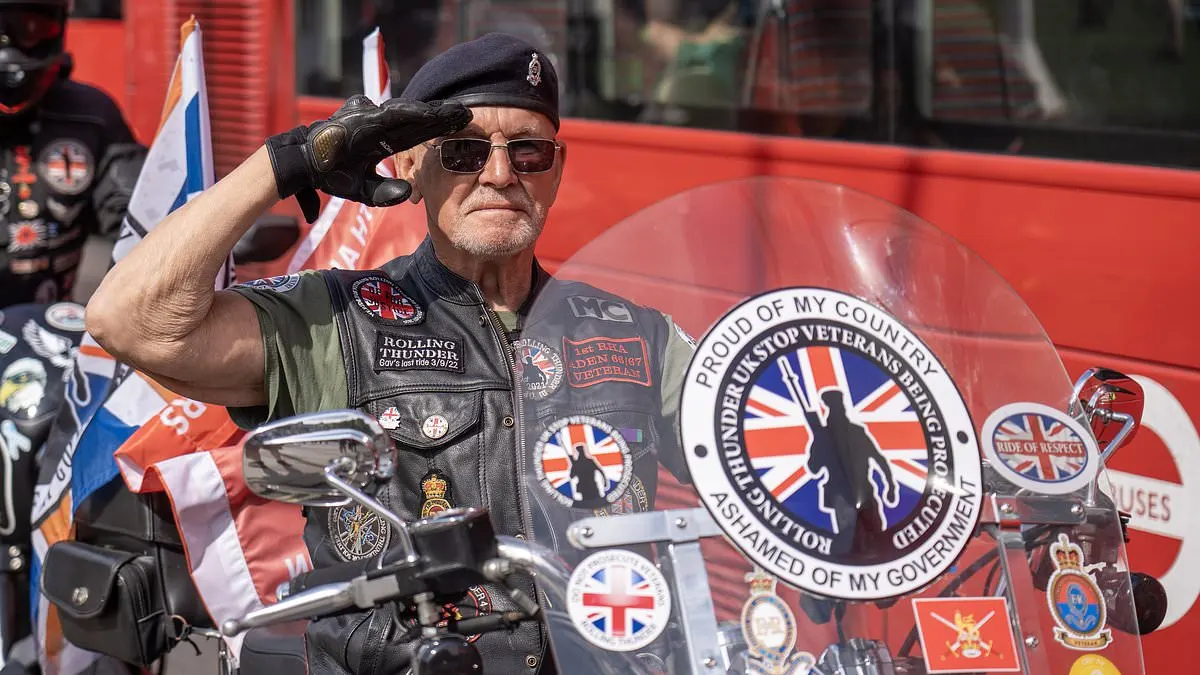
Northern Ireland veterans have dismissed Labour's changes to the controversial Troubles Bill as "window dressing", arguing elderly troops will still face prosecutions and legal harassment decades after the conflict. Whilst the Government has made amendments—including clarifying that terrorists cannot use "comfort letters" for protection and stating soldiers are not equivalent to terrorists—campaigners say fundamental safeguards remain absent.
The redraft fails to address veterans' principal demand that a Supreme Court judge, rather than the politically appointed Attorney General, should decide whether soldiers face trial. At least eight inquests relating to Northern Ireland incidents are expected to proceed, and former troops could face fresh prosecutions based on "new and compelling" evidence. The Government claims the changes cover 80 per cent of veterans' concerns, but campaigners argue the essential protections needed to end legal action against elderly soldiers have been ignored.
- Veterans reject Labour's Bill amendments as cosmetic, say elderly troops still face prosecutions
- Government won't appoint Supreme Court judge to oversee soldier trials, using Attorney General instead
- Eight inquests expected to proceed; former troops could face new prosecutions
New here? Start with this
The Troubles was a conflict in Northern Ireland lasting several decades until a peace agreement in 1998. After the violence ended, questions arose about whether former soldiers and paramilitaries should face prosecution for actions taken during the fighting.
The Government has sought to balance allowing communities to move forward after the conflict with preserving accountability for serious acts. However, elderly former soldiers have expressed concern about facing prosecutions or inquests for events from the conflict, decades after it formally ended.
The debate over what protections former soldiers should receive reflects a broader tension in post-conflict societies: how to address accountability for past actions whilst allowing people to move forward. The outcome will affect whether elderly veterans have certainty about their legal status for actions taken during the conflict.
Both sides, in good faith
The strongest fair case each way — we don't pick a winner.
The case for
The Government has made substantive amendments that meaningfully distinguish soldiers' conduct from terrorists' activities and prevent comfort letters providing blanket protection. These changes address a significant portion of veterans' concerns and reflect an attempt to balance competing interests: providing certainty for soldiers whilst maintaining accountability through proper legal processes. The Attorney General's role as decision-maker follows constitutional convention, and judicial oversight through inquests ensures due process rather than immunity from scrutiny.
The case against
The amendments fail to address the fundamental safeguard veterans have demanded: removing the Attorney General's discretionary power to prosecute and transferring that decision to an independent Supreme Court judge. Without this change, elderly soldiers remain vulnerable to prosecution and legal harassment decades after the conflict, with inquests and fresh prosecutions still possible based on "new and compelling" evidence. True protection requires ending this ongoing threat entirely, not merely adjusting how it is managed.
Americas Business Markets World
Read the full article at the source →
Originally published by Daily Mail as “Labour’s changes to controversial Troubles Bill are just ‘window dressing,’ say veterans”.