Urgent warning issued over deadly bat virus after more than 40 Aussies bitten or scratched in just two weeks
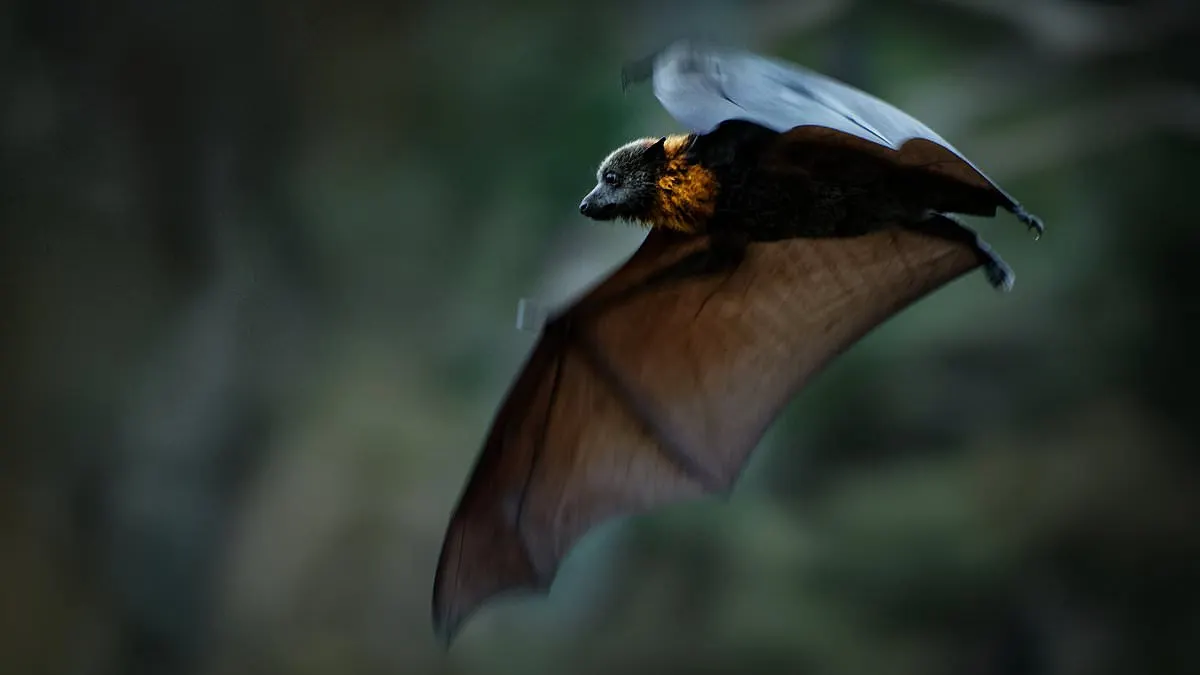
NSW Health has warned people to avoid bats after 43 people across the state were assessed for bites or scratches in the fortnight to 10 October. The rise has renewed concern about Australian bat lyssavirus, a rare infection related to rabies that can be transmitted through bites, scratches or infected saliva.
The 43 cases were reported in four regions and were more than four times the number recorded over the same period last year. Australia has recorded three human cases since the virus was identified in 1996; all were in Queensland and fatal. Health officials say food shortages are keeping flying foxes in suburban trees during daylight, increasing encounters, and anyone bitten or scratched should wash the wound for 15 minutes and seek urgent medical advice.
- NSW recorded 43 bat bite or scratch assessments in two weeks.
- Australian bat lyssavirus is rare but almost always fatal after symptoms begin.
- Avoid handling bats and seek urgent care after a bite or scratch.
New here? Start with this
Australian bat lyssavirus is a rare infection related to rabies that can be transmitted to humans through bites, scratches or contact with a bat's saliva. Although uncommon in humans, the virus is serious and can prove fatal.
New South Wales has experienced a sharp increase in bat exposure incidents, with 43 people assessed for bites or scratches in two weeks—more than four times the normal number for this period. Health officials attribute the surge to food shortages that are keeping flying foxes in suburban areas during daylight hours, when they are more likely to encounter people.
Since 1996, Australia has recorded three human cases, all in Queensland, and all were fatal. Anyone bitten or scratched by a bat should wash the wound thoroughly and seek immediate medical attention.
Both sides, in good faith
The strongest fair case each way — we don't pick a winner.
The case for
Australian bat lyssavirus has a 100% fatality rate without post-exposure prophylaxis, and exposure incidents in NSW have quadrupled in a fortnight. Health authorities have both a legal and ethical duty to warn the public about any lethal infectious disease, particularly when contact rates spike sharply. The warning provides actionable guidance—wound washing and immediate medical care—that demonstrably prevents death and is straightforward for the public to follow.
The case against
Whilst awareness is important, public health communication must maintain proportionality. Three deaths across Australia over three decades represents vanishingly low actual risk; the recent spike from roughly 10 to 43 cases in NSW may reflect normal variation, improved detection, or seasonal patterns rather than genuine escalating danger. Overemphasising extraordinarily rare threats can undermine public trust in health messaging, cause unnecessary anxiety, and potentially harm conservation efforts for already-stressed bat populations that provide essential ecosystem services.