Russia and Ukraine’s proposed energy truce falters within hours
Developed over time first seen 1 day ago
President Trump announced on Sunday that Russia and Ukraine had agreed to a ceasefire on energy infrastructure strikes "effective immediately", but the agreement collapsed within hours. Ukraine's President Zelensky indicated surprise at the announcement, Russia never formally confirmed its participation, and both nations continued military operations, revealing that no genuine agreement existed. The swift unravelling exposed the deep mistrust between Moscow and Kyiv and the limited impact of external diplomatic pronouncements on an intractable conflict.
Pro-Kremlin media outlets characterised the ceasefire as "a gift" for Moscow, arguing it prevented Ukraine from striking Russian oil refineries whilst Russia's energy facilities were already severely damaged by months of Ukrainian drone attacks. The Kremlin rejected sustained ceasefires, proposing instead a one-day halt that was dismissed as unrealistic, whilst continuing to strike Ukrainian targets and having Foreign Minister Sergei Lavrov declare that Ukraine does not deserve such a "respite". Russian officials made their objective clear: Ukraine's capitulation through sustained military pressure as winter approaches.
- Trump's announced ceasefire collapsed within hours as neither side formally agreed.
- Russia saw it as beneficial: blocking Ukrainian strikes whilst facing minimal constraint.
- Russia rejects ceasefires and seeks Ukraine's capitulation through sustained pressure.
New here? Start with this
Russia and Ukraine have been at war since Russia's invasion in 2022. The conflict has caused widespread destruction, particularly to Ukraine's energy infrastructure, which supplies power and heating to millions of civilians.
The main figures involved are Russia's President Vladimir Putin and Ukraine's President Volodymyr Zelensky. The United States, under President Donald Trump, has become involved in seeking peace agreements between the two sides.
Ceasefire proposals are significant because they could end the fighting and reduce civilian suffering. Damage to energy infrastructure becomes particularly urgent as winter approaches, since millions of Ukrainians depend on power and heating.
Both sides, in good faith
The strongest fair case each way — we don't pick a winner.
The case for
These announcements, despite their limitations, represent meaningful diplomatic engagement aimed at reducing civilian suffering. The proposed energy infrastructure truce specifically seeks to protect critical civilian infrastructure from military strikes, which would save lives regardless of whether a broader ceasefire takes hold. Even imperfect diplomatic overtures keep channels open and demonstrate that major powers are willing to consider pauses in hostilities, which can build momentum for more substantial negotiations and reduce the risk of further escalation.
The case against
These announcements appear to prioritise optics over genuine negotiation, as demonstrated by their immediate collapse and lack of coordination between parties. Zelensky's apparent lack of awareness of Trump's initiative and the Kremlin's failure to formally endorse it, combined with continued Russian strikes, suggest these were unilateral proclamations rather than agreements reached through proper diplomatic channels. Announcing ceasefire proposals without securing buy-in from all parties may actually damage trust and make future negotiations more difficult, whilst giving the impression of progress where none exists.
Full account
On Sunday, US President Donald Trump declared that Moscow and Kyiv had agreed to halt attacks targeting energy infrastructure, with the measure taking effect immediately. However, the announcement appeared to catch the Ukrainian leadership off guard. President Volodymyr Zelensky indicated he had received no prior notification of such an arrangement, suggesting instead that Ukraine would comply if Russia reciprocated.
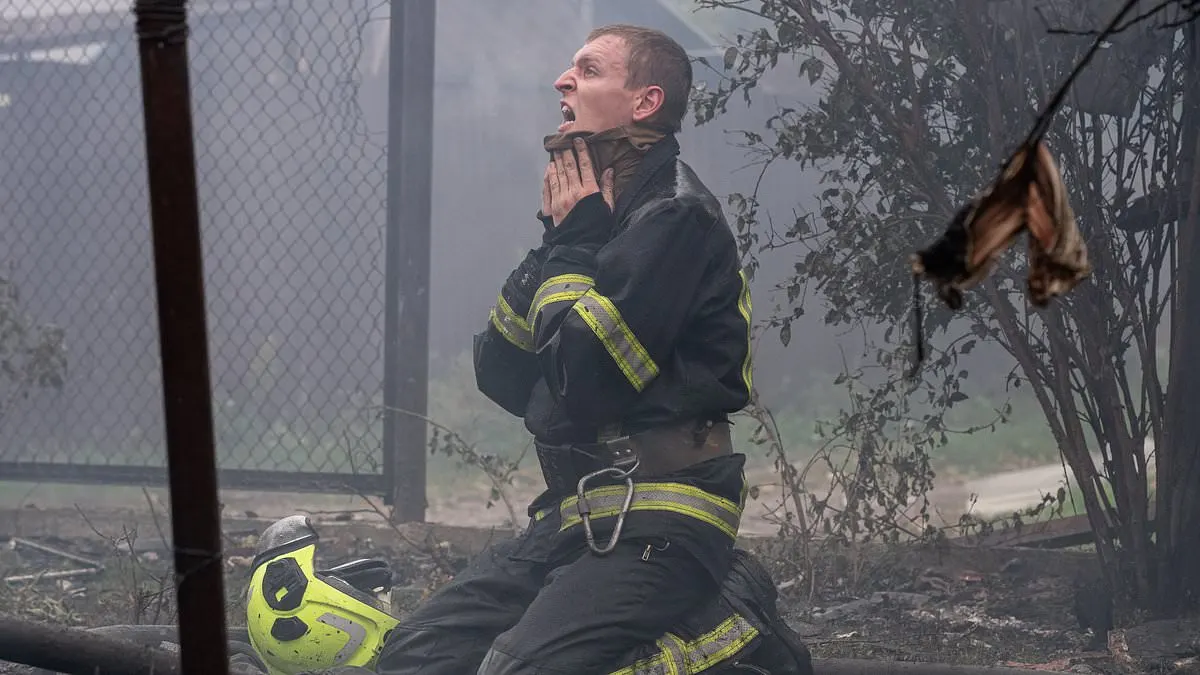
The Ukrainian position became untenable within hours as Russian strikes continued unabated across the country's power systems. Following attacks that damaged an oil refinery and triggered widespread blackouts in Kyiv, Mr Zelensky characterised the situation as evidence that Moscow harbours no genuine interest in protecting civilian infrastructure. In a separate incident, a missile strike on a residential building in a Kyiv suburb resulted in two deaths and numerous injuries, with air raid alerts sounding repeatedly throughout the nation.
In response to Mr Zelensky's request for a 60-day cessation to permit presidential elections—suspended since martial law was declared at the invasion's outset—Mr Putin countered with a markedly limited proposal. The Kremlin's spokesman indicated willingness to suspend attacks only on the specific day of any electoral process, a fraction of the requested timeframe. Russia's foreign minister subsequently dismissed the notion of an extended pause, contending that Ukraine did not warrant such respite and that it would merely facilitate rearmament by Western allies.
The strategic calculus underpinning the proposals revealed asymmetry favouring Moscow. Whilst Ukraine possesses few functioning refineries vulnerable to disruption, Russia operates numerous facilities. Recent Ukrainian drone campaigns have inflicted substantial damage on Russian oil infrastructure, creating fuel shortages across the country. Pro-Kremlin outlets characterised Mr Trump's announcement as advantageous to Russian interests precisely because it constrained Ukrainian offensive capability whilst offering minimal reciprocal sacrifice, with Moscow's silence suggesting tacit acceptance of an arrangement benefiting its strategic position.
Where outlets differ
Source 1 emphasises Zelensky's frustration with Trump's announcement and his appeals for American pressure on Russia, whilst Source 2 analyses the strategic asymmetry and how pro-Kremlin media interpret the arrangement as deliberately one-sided.
Source 1 provides specific casualty figures from a residential strike near Kyiv, whilst Source 2 omits this incident but contextualises the recent effectiveness of Ukrainian drone strikes against Russian facilities.
Source 1 quotes Foreign Minister Lavrov's direct dismissal that Ukraine deserves respite, whilst Source 2 focuses on Russian calculation of strategic advantage without directly quoting Lavrov.
Source 2 discusses Trump's claimed fuel deal with Russia for diesel imports and electoral implications; Source 1 does not address this commercial arrangement.
Coverage
- Daily Mail — Russian strikes hit Ukrainian sites hours after ceasefire announcements
- BBC World — Moscow stays silent as Russian strikes continue despite Trump ceasefire claim