Uber driver who ‘deliberately’ ran over customer after he was sick in the back seat of his car ‘did not see’ the 6ft man, murder trial hears
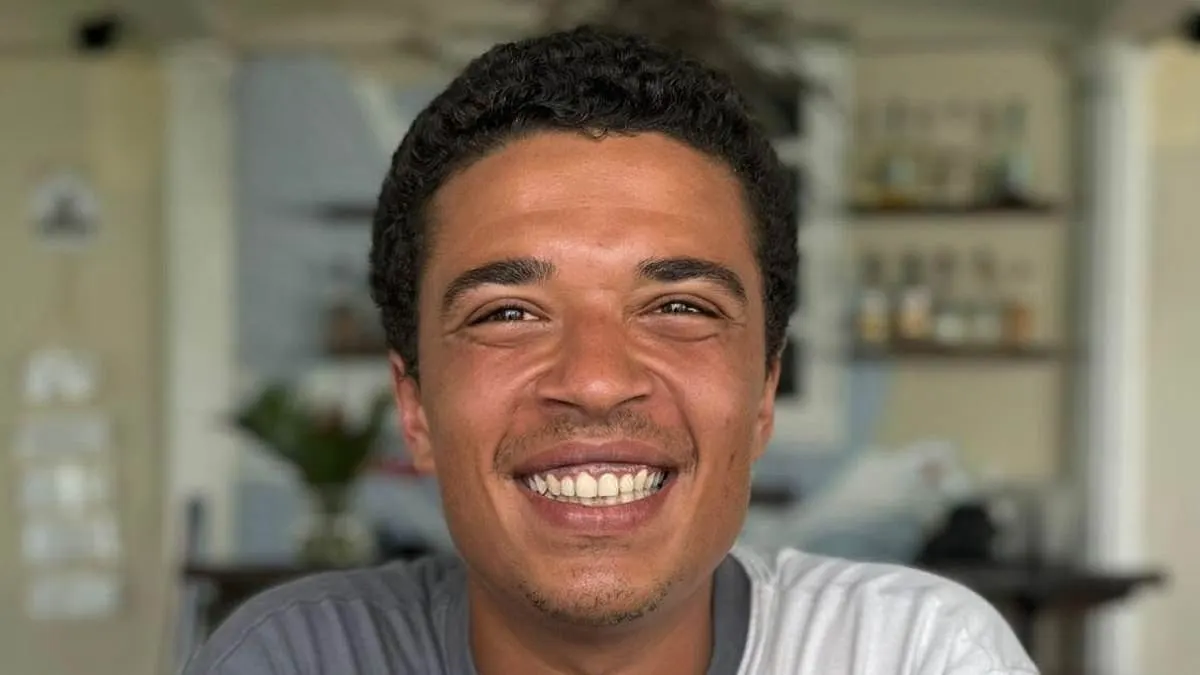
An Uber driver has told a murder trial that he did not see a customer as he reversed over him in Basildon, Essex. Hayadulla Turkmani denies deliberately killing Michael Ashton, whose death followed an argument about vomit in the car; the jury must consider whether the collision was intentional or accidental.
The court heard that Ashton, 28, and his partner briefly went inside to fetch wipes after being dropped off shortly before midnight on 26 September last year. Turkmani, 53, said Ashton shouted and ran towards the car, and that he reversed because he was frightened before feeling a jerk. Ashton suffered a catastrophic brain injury and died in hospital on 4 October; vehicle data showed the accelerator was fully pressed at one point.
- The driver says he did not see Ashton as he reversed.
- The prosecution alleges the collision was deliberate.
- Vehicle data showed the accelerator was fully pressed at one point.
New here? Start with this
Michael Ashton, aged 28, died after being run over by an Uber driver in Basildon, Essex, in September. The collision happened minutes after Ashton and his partner had been dropped off by driver Hayadulla Turkmani, following an argument in the vehicle about Ashton having been sick.
Turkmani, aged 53, is on trial for murder but denies deliberately killing Ashton. The jury must decide whether the collision was intentional or accidental. This distinction is fundamental in criminal law and determines the severity of charges and potential sentence.
The case examines a fatal incident arising from a dispute between a driver and passenger. Evidence including vehicle data and witness testimony will help establish the driver's state of mind at the moment of the collision. The verdict will determine whether the death was the result of a deliberate act.
Both sides, in good faith
The strongest fair case each way — we don't pick a winner.
The case for
The circumstances suggest deliberate rather than accidental harm. The driver and victim had just argued over being sick in the car, providing context for confrontation. The vehicle data shows the accelerator was fully pressed, implying active acceleration rather than simply failing to see. A 6ft-tall man is not easily missed, and the collision occurred immediately after the heated exchange, suggesting the driver was aware of the victim's presence or location.
The case against
The defence argues a jury must distinguish between a terrible accident and murder. The driver's account—that he didn't see the customer and reversed because frightened—is plausible given genuine limitations of reversing visibility at night and the chaotic nature of someone running towards a vehicle. Panicked people make instinctive decisions not reflecting deliberate intent; accelerating whilst frightened may represent an attempt to escape perceived danger rather than proof of malice. The preceding argument does not establish intent to kill; it remains entirely possible this was a catastrophic but unintentional consequence of panic and poor visibility.