‘Evil Dead’s Most Underrated Chapter Is This 99% Rotten Tomatoes Horror Masterpiece
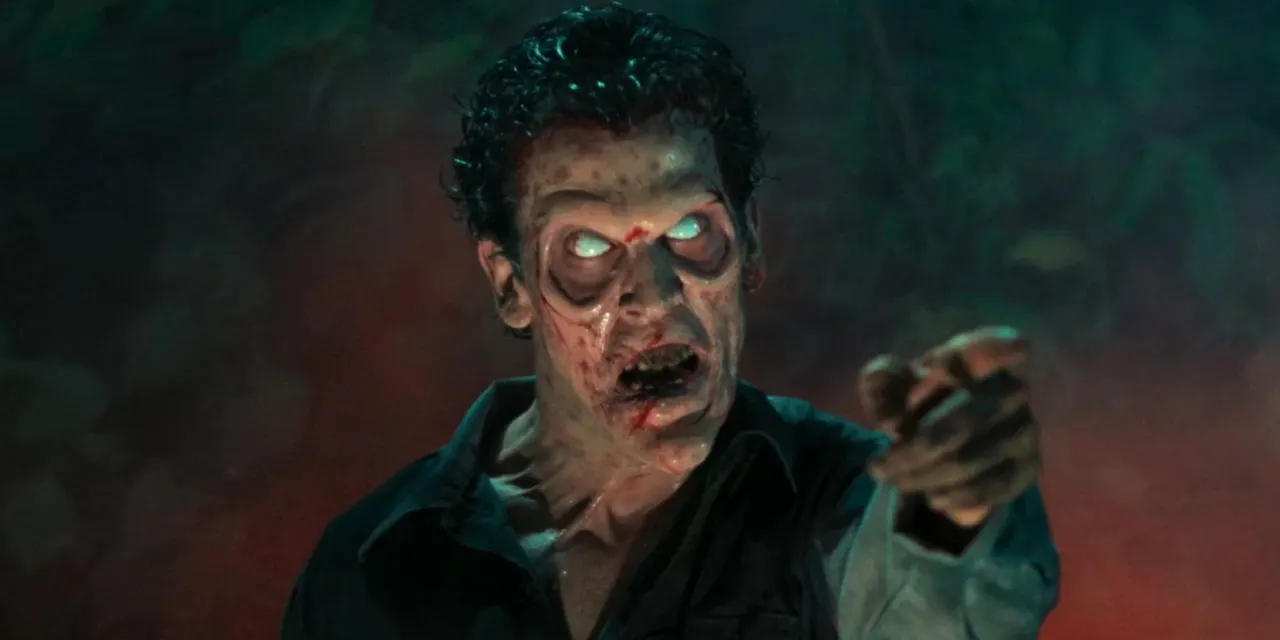
Starz’s *Ash vs. the Evil Dead* revived the horror-comedy tone of the original films, bringing Bruce Campbell back as Ash Williams. The article argues that the series restored a key part of the franchise’s identity that later, more serious films had left behind.
Released in 2015, the show follows Ash as he accidentally summons Deadites after reading from the Necronomicon. It ran for three seasons, continued the story after *Army of Darkness* and earned a 99% Rotten Tomatoes score; the article describes it as Campbell’s fitting final portrayal of Ash.
- The series brought back the franchise’s horror-comedy roots.
- Bruce Campbell returned as Ash 30 years later.
- It ran for three seasons and scored 99% on Rotten Tomatoes.
New here? Start with this
The Evil Dead franchise began with a low-budget horror film and grew to include sequels, a television series and later films. Its stories centre on the Necronomicon, a book that can summon demonic beings called Deadites, and Ash Williams, an ordinary man who repeatedly finds himself fighting them.
Bruce Campbell played Ash in the original films, including Army of Darkness, and returned to the role in Ash vs. the Evil Dead. The series picks up after that film, with Ash accidentally bringing the Deadites back. Its mix of horror and comedy reflects the tone of the earlier films, while some later entries took a more serious approach.
The series ran for three seasons, giving the story more time to follow Ash and his battles with the Deadites. Its reception matters to the franchise because it shows how the original horror-comedy style continued to appeal to viewers and critics.