The 1960s band both Jerry Garcia and Jimi Hendrix couldn’t stand: “Terribly offensive”
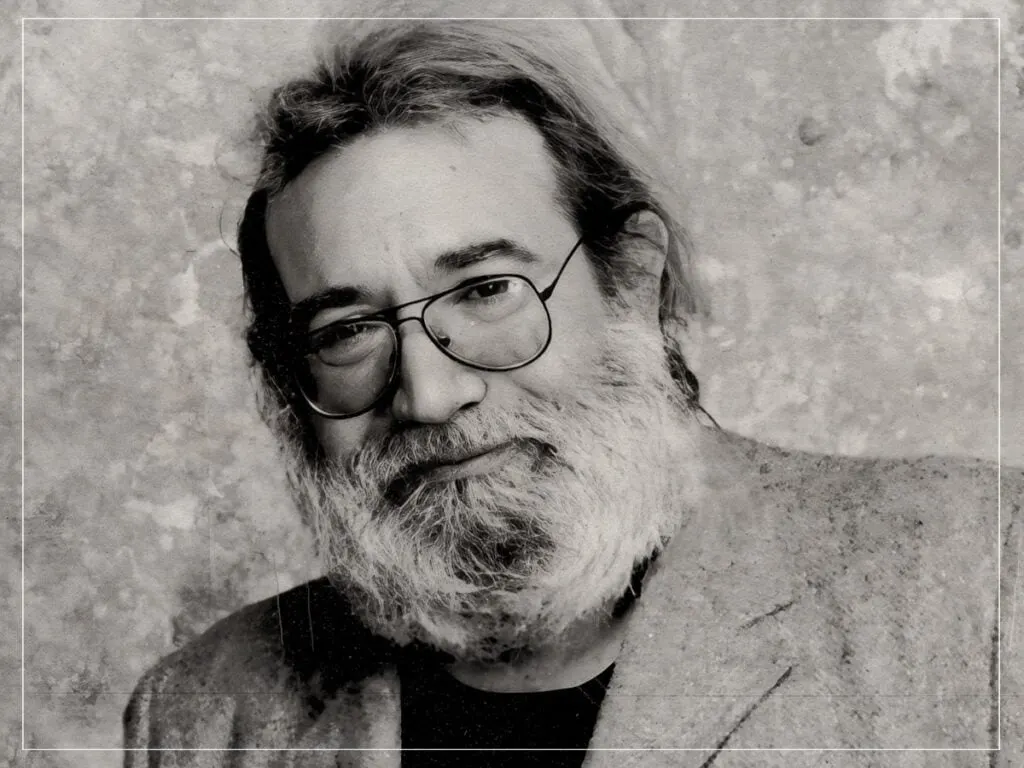
Jerry Garcia and Jimi Hendrix both disliked The Doors, despite the band’s appeal to listeners drawn to its confrontational sound and Jim Morrison’s flamboyant stage presence. Their reactions show that even musicians associated with the late-1960s counterculture could sharply disagree with the era’s celebrated artists.
In a 1972 interview book, Garcia said he found The Doors “terribly offensive” and accused Morrison of copying Mick Jagger’s stage manner, while also questioning his reputation as a poet. Hendrix disliked Morrison’s voice and clashed with him during an onstage jam: Morrison screamed into the microphone, Hendrix mocked the sound, and the session reportedly ended in a fistfight. An audience member described Hendrix as shy and reserved, and Morrison as abrupt.
- Garcia thought Morrison copied Mick Jagger’s stage persona.
- Hendrix mocked Morrison’s screaming during a joint jam.
- The session reportedly ended in a fistfight.
New here? Start with this
The Doors were an American rock band formed in Los Angeles in 1965. They became known for a dark, theatrical sound and for singer Jim Morrison’s dramatic behaviour on stage, which helped make the group one of the era’s most recognisable acts.
Jerry Garcia, guitarist and singer with the Grateful Dead, and Jimi Hendrix were also prominent musicians of the late 1960s. The period’s counterculture brought together artists with very different styles and personalities, and shared associations with it did not mean they agreed about one another’s music or performances.
The disagreement matters as a reminder that the era’s celebrated musicians were not a single, united group. Their reactions also reflect broader debates about what counted as originality, poetry and compelling stage presence in rock music.