More tea? How Scotland’s crops of the future could be set to change
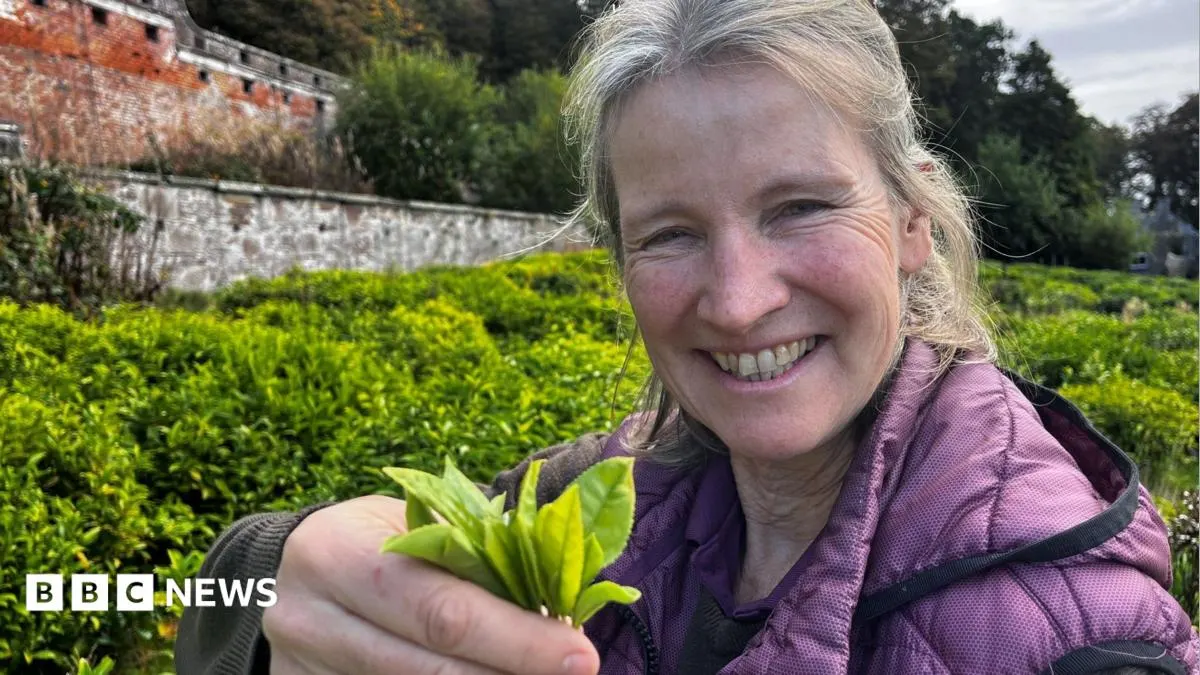
Scottish farmers and researchers are exploring whether tea and other crops could become more viable as the climate changes. Tea grower Susie Walker-Munro says Scotland’s acidic soil and potentially wetter weather may help production, while glasshouses powered by renewable energy could expand the range of food grown locally.
Scotland is expected to have hotter, drier summers and milder, wetter winters by the end of the century. Researchers at the James Hutton Institute are simulating future conditions to identify resilient crops, including fava beans; they say new varieties need to be developed and made available to farmers well in advance. Tea remains a small-scale crop, with Walker-Munro’s most expensive product costing about £40 a packet.
- Scottish tea yields may benefit from wetter weather.
- Glasshouses could support more local food production.
- Researchers are testing crops against future climate conditions.
New here? Start with this
Scotland’s farming has traditionally focused on crops suited to its cool, often wet climate. Tea plants prefer acidic soil, and some growers think Scotland’s conditions could suit them, though tea is still produced on a small scale.
Climate change is expected to bring hotter, drier summers and milder, wetter winters. Researchers are testing how crops such as fava beans might cope, while farmers and growers are considering whether renewable-powered glasshouses could make more kinds of food viable.
The changes matter because farmers need time to develop and adopt crop varieties suited to future conditions. What can be grown locally will also depend on practical factors such as cost, yields and whether new crops can be produced at a scale that makes them accessible.
Both sides, in good faith
The strongest fair case each way — we don't pick a winner.
The case for
A changing climate could make some crops, including tea, more viable in Scotland, while locally adapted varieties and renewable-powered glasshouses could help farmers diversify and strengthen food supplies. Developing these options early may give growers time to test what works and reduce reliance on crops less suited to future conditions.
The case against
Climate projections are uncertain at the local level, and a crop that can grow in Scotland may still be difficult or costly to produce at a useful scale. Research, new varieties and energy-intensive glasshouses require investment, so farmers may be better served by prioritising proven resilient crops and weighing commercial prospects against land, energy and food-production needs.