Zimbabwean author denies using AI to write award-winning story
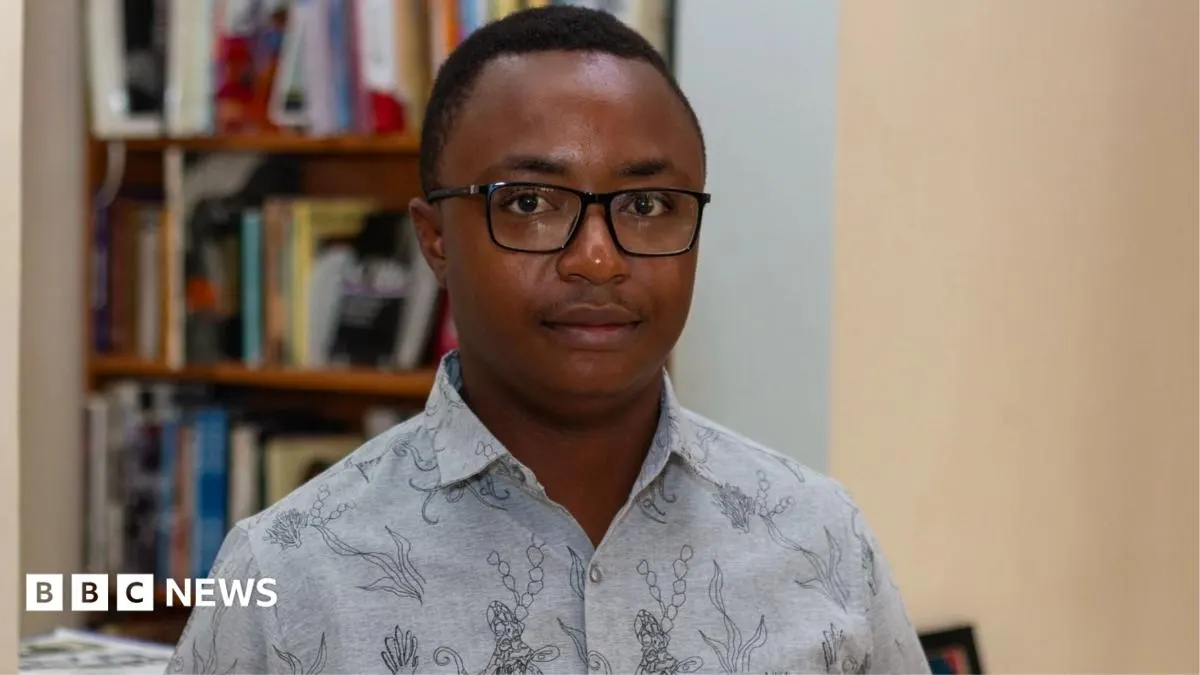
Zimbabwean writer Simbarashe Kundizeza denies using AI to write “The Blue Fighter”, which won this year’s £10,000 Caine Prize for African Writing. The dispute has sparked criticism of the article that raised the allegation and renewed debate over how AI-detection tools are used to judge writers.
The Atlantic cited Pangram software, which assessed the story as entirely AI-generated; its author said the tool’s internal research showed its assessments were rarely wrong, while acknowledging no detector is completely accurate. Prize chair Ellah Wakatama said an investigation is under way, including a review of Kundizeza’s drafts and discussions with the judges and the story’s original publisher. Writers have also raised concerns that Black and African authors are being disproportionately scrutinised.
- Kundizeza denies using AI to write his prize-winning story.
- The Caine Prize is investigating the allegation.
- Writers question reliance on AI detectors and unequal scrutiny.
New here? Start with this
The Caine Prize for African Writing is an annual award for short fiction by African writers, worth £10,000. Simbarashe Kundizeza won this year with “The Blue Fighter”, first published by the literary journal Lolwe.
The allegation rests on Pangram, a software tool that tries to identify text written by AI. Such tools can make mistakes, so their results are not conclusive proof of how a story was written.
Prize chair Ellah Wakatama says the organisers are reviewing Kundizeza’s drafts and speaking with the judges and the story’s original publisher. The dispute has also prompted debate about how AI-detection tools are used and concerns from writers about scrutiny of Black and African authors.
Both sides, in good faith
The strongest fair case each way — we don't pick a winner.
The case for
An award that recognises original writing has reason to investigate a credible allegation that a winning story may have been generated by AI, particularly when a detector flags the whole text. Reviewing drafts and speaking with the author, publisher and judges can help protect the prize’s integrity, provided the software is treated as a lead rather than conclusive proof.
The case against
AI detectors can be wrong, so an allegation based on one tool risks unfairly damaging an author’s reputation without reliable corroboration. Given concerns that Black and African writers face disproportionate scrutiny, the inquiry should guard against unequal treatment and give substantial weight to the author’s account and evidence of how the story was written.