Is Mini DisplayPort becoming obsolete?
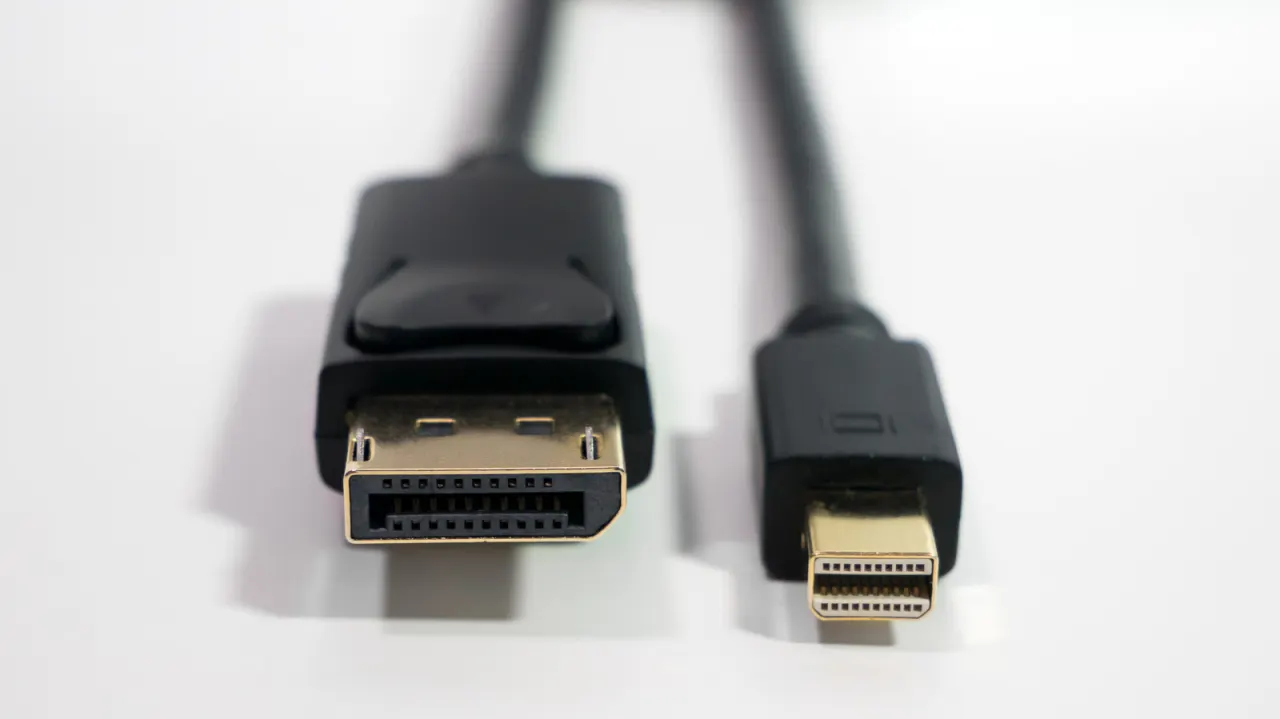
Mini DisplayPort has largely disappeared from new computers as manufacturers have shifted to USB-C and HDMI, but that does not make the DisplayPort technology obsolete. The change matters because USB-C can carry video, audio and data in one connector, including DisplayPort signals on compatible devices.
Apple introduced Mini DisplayPort in 2008, and the connector was also used by the first two versions of Thunderbolt. Thunderbolt 3 moved to USB-C in 2015 and 2016, while full-size DisplayPort remains common on high-end monitors and graphics cards, supporting up to 80 Gbps compared with HDMI 2.1’s 48 Gbps. Older Mini DisplayPort devices can still connect to modern monitors with suitable cables, though adapters may not work reliably with some VR headsets and displays.
- Mini DisplayPort is rare on new computers.
- USB-C can carry DisplayPort signals on compatible devices.
- Full-size DisplayPort remains important for high-end displays.
New here? Start with this
Apple introduced Mini DisplayPort in 2008 as a small connector for carrying video to a display. The first two versions of Thunderbolt also used it, so it appeared on some computers and accessories beyond Apple’s own products.
Newer computers have increasingly adopted USB-C, which can carry video, sound and data through one connector when the device supports it. USB-C can also carry DisplayPort video signals, while full-size DisplayPort remains in use on many high-end monitors and graphics cards.
This means the small Mini DisplayPort plug has become less common, but the video technology behind it is still used. Older devices can often connect to newer screens with the right cable or adapter, although compatibility can vary.
Both sides, in good faith
The strongest fair case each way — we don't pick a winner.
The case for
Mini DisplayPort is becoming obsolete as a connector because manufacturers have largely stopped including it in new computers, favouring USB-C and HDMI. USB-C can carry DisplayPort video alongside audio and data, while full-size DisplayPort remains available for demanding displays, so the older, less versatile port has little reason to persist.
The case against
The underlying DisplayPort technology is not obsolete: USB-C devices can carry DisplayPort signals, and full-size DisplayPort remains common on high-end monitors and graphics cards. Mini DisplayPort devices can also connect to modern monitors with suitable cables, so the connector still has practical value for people using older equipment.