Florida executes inmate who killed cellmate because he wanted death penalty
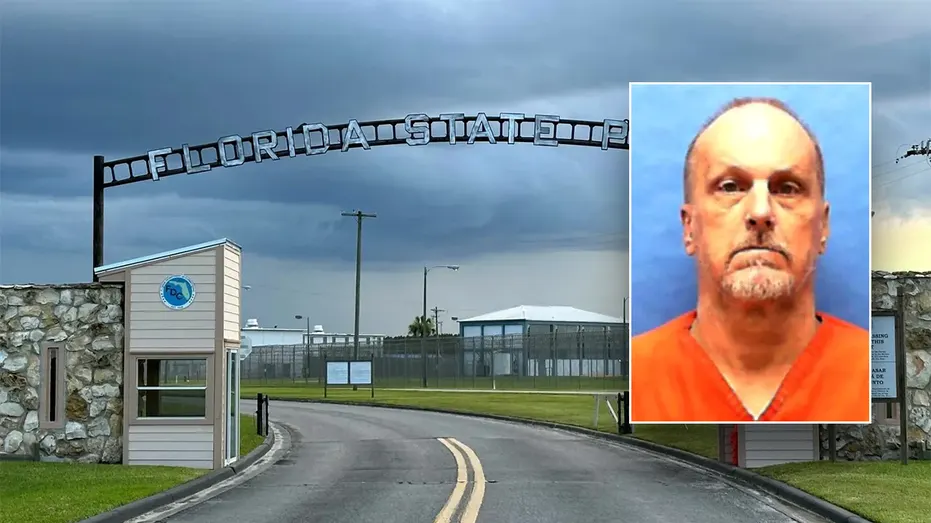
Florida executed James Robertson, 63, who said he killed his cellmate to obtain a death sentence rather than spend the rest of his life in prison. His execution highlights the state’s accelerating use of capital punishment and renewed attention to lethal injection procedures after a failed execution in Tennessee.
Robertson was pronounced dead about 10 minutes after receiving a three-drug injection at Florida State Prison and declined to make a final statement. He had pleaded guilty to strangling Frank Hart in 2008, eight days before Hart was due for release; Hart’s daughter spoke about the lasting grief of losing her father. Florida’s planned execution of William Lee Thompson was withdrawn last week, while the state carried out a record 19 executions in 2025, about 40% of the US total that year.
- Florida executed James Robertson, who sought death for killing his cellmate.
- Frank Hart was killed eight days before his expected release.
- Florida carried out a record 19 executions in 2025.
New here? Start with this
In the United States, murder cases can lead to either life in prison or the death penalty, depending on the state and the circumstances. Florida is among the states that still use capital punishment, and the governor approves execution dates for people sentenced to death.
James Robertson was serving a life sentence when he killed his cellmate, Frank Hart, in 2008. Hart was due to be released days later; his family has spoken about the lasting loss. Florida’s growing number of executions has also drawn attention to how lethal injections are carried out, particularly after a failed execution in another state.
Both sides, in good faith
The strongest fair case each way — we don't pick a winner.
The case for
Supporters of capital punishment argue that the state may impose its most severe penalty for deliberate murder, especially where the offender has admitted the killing and sought a death sentence. They may see carrying out the sentence as recognising the gravity of the victim’s loss and applying a punishment already authorised by law, while maintaining safeguards around execution procedures.
The case against
Opponents argue that the state should not take a life, even in response to murder, because execution is irreversible and humane or reliable procedures cannot be guaranteed. Robertson’s stated wish to die also raises questions about whether executing him served justice or allowed the state to act on a prisoner’s desire for death; they may favour life imprisonment and question the rapid growth in executions.