Five clues that your home may be losing heat and energy
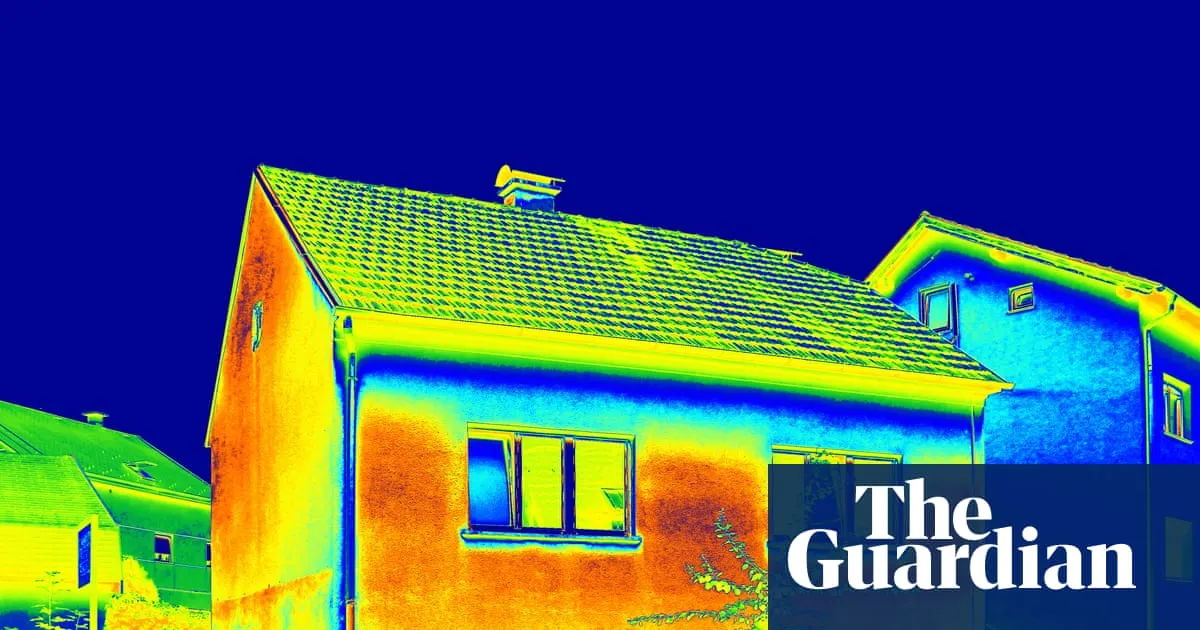
The article outlines five signs that a home may be losing heat and offers simple ways to investigate, as heat escaping through gaps or poor insulation can make rooms harder to keep warm and increase energy use. Spotting problems can help householders decide where to focus repairs or improvements.
On a breezy day, a candle or smoke pen can reveal draughts; a thermal leak detector is another option. Misting between double-glazed panes may mean a failed seal, while inside condensation can point to cold surfaces, though poor ventilation is another possible cause. Difficulty maintaining an even temperature may indicate heat loss through walls, floors or the roof, or a radiator problem. Quickly melting snow or birds gathering on the roof can suggest heat escaping; older or uninsulated homes may lose up to 25% of their heat through the roof.
- Draughts and condensation can signal heat loss.
- Uneven temperatures may point to insulation or radiator problems.
- Roof heat loss can account for up to 25% in older homes.
New here? Start with this
Homes lose heat when warm air escapes through gaps or when insulation in the walls, floors or roof is inadequate. This can make rooms harder to keep warm and increase the energy needed for heating; older homes may have less insulation than newer ones.
Windows, doors, lofts and radiators can all affect how evenly a home warms up. Condensation or draughts may offer clues, but can also have other causes, so householders may need to check the source before deciding what repairs or improvements to make.
Art Business Celebrity Culture Entertainment
Read the full article at the source →
Originally published by The Guardian as “Energy bills through the roof? Five signs your house is leaking heat”.