Cornell bans all fraternity parties over gang sex assault allegations
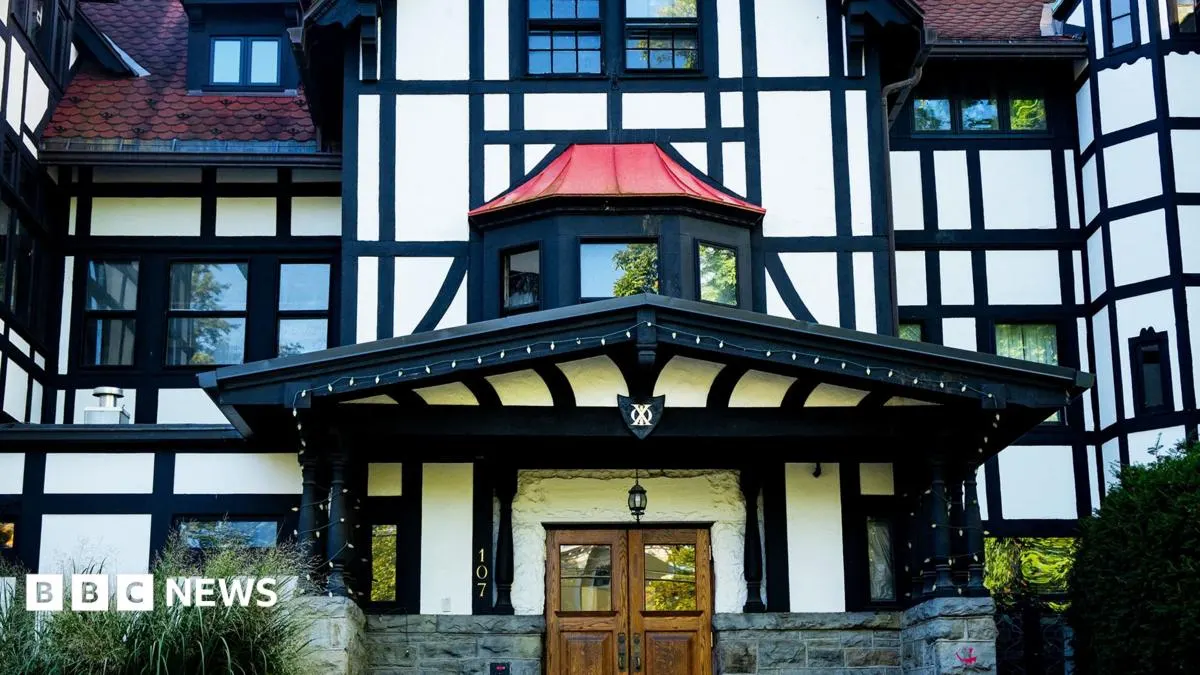
Cornell University has banned parties at fraternity houses for the rest of the academic year, amid criticism of its response to a woman’s allegation that she was sexually assaulted at a fraternity party in 2024. The university says it will strengthen survivor support and allow New York State Police officers trained in trauma-informed investigations to investigate campus assault allegations.
The woman, identified as Jane Doe, filed a civil lawsuit last month alleging she was drugged and raped by several men; her lawyer says she left Cornell after the alleged assault. Cornell president Michael Kotlikoff said anyone violating the party ban would be suspended. The case has also drawn scrutiny over information provided to local prosecutors, who did not bring charges, and New York Governor Kathy Hochul has appointed the state attorney general to investigate the handling of the case.
- Cornell has banned fraternity parties for the rest of the academic year.
- A woman’s lawsuit alleges she was drugged and raped at a 2024 party.
- New York’s attorney general is investigating the case’s handling.
New here? Start with this
Cornell is a private university in Ithaca, New York, where fraternities are student organisations that often hold social events at their houses. Universities have procedures for responding to sexual assault reports, while police and prosecutors decide whether to investigate and bring criminal charges.
Jane Doe’s civil lawsuit concerns an alleged assault at a fraternity party in 2024. A civil case can seek remedies such as compensation and is separate from a criminal prosecution; the allegations in the lawsuit have not, by themselves, established criminal guilt.
The case involves Cornell’s response, the information shared with local prosecutors, and the roles of state investigators and elected officials. It matters because it raises questions about how campus assault reports are handled and how university processes interact with law enforcement.
Both sides, in good faith
The strongest fair case each way — we don't pick a winner.
The case for
A campus-wide fraternity party ban can be defended as a precaution while serious allegations and questions about the university’s response are examined. It may reduce risks in settings where alcohol, drugs and crowded parties can make assault harder to prevent or report, and signal that student safety takes priority; stronger survivor support and trauma-informed investigations could also improve trust in the process.
The case against
A blanket ban affects many students and organisations regardless of any connection to the allegations, and may be seen as collective punishment before the facts are established. Critics could argue that targeted safeguards, consistent enforcement and a transparent investigation would address risks more fairly, while preserving lawful student social life and avoiding measures that simply move parties to less supervised settings.