The 1987 song Slash has never played the same way twice: “I don’t know what I’m playing”
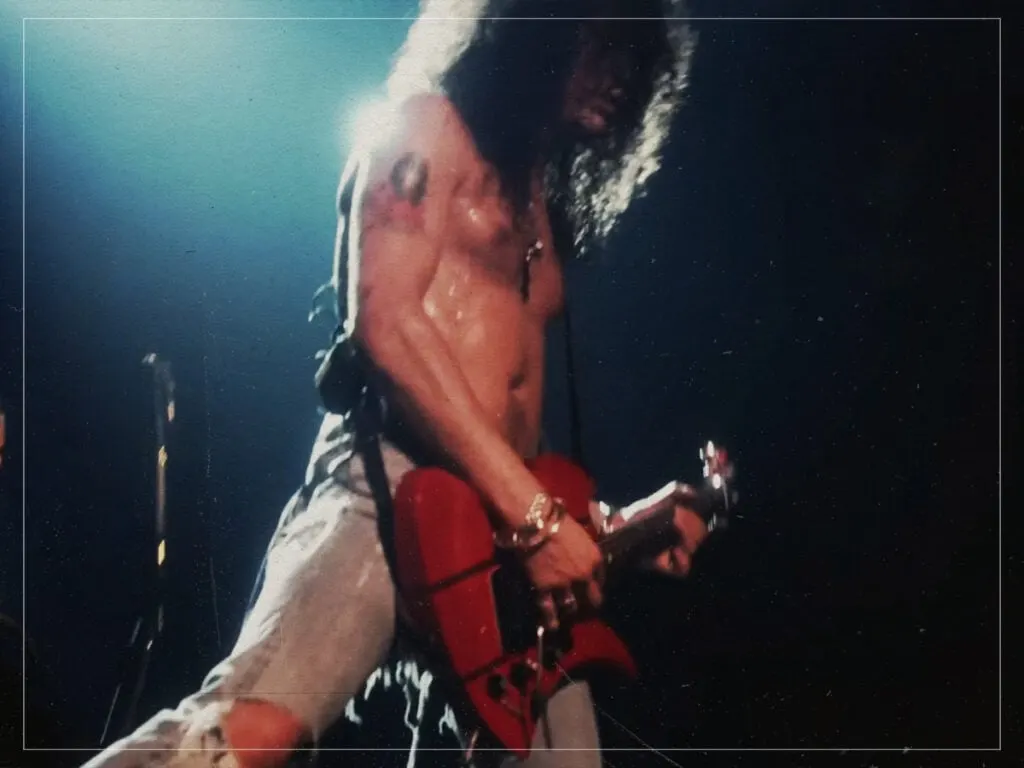
Slash says he plays Guns N’ Roses’ 1987 song ‘You’re Crazy’ differently each night because he is not in the same frame of mind from one performance to the next. Its restless guitar solo and shifting feel make the track a space for him to improvise, rather than reproduce a fixed version.
The song appeared on the band’s debut album, *Appetite for Destruction*, recorded with an emphasis on capturing the energy of live performances, often within two or three takes. The article contrasts its electric version with a stripped-down acoustic recording on the later EP *GNR Lies*, and notes that the song’s lyrics concern a lover seeking sex.
- Slash says he never plays the same solo on ‘You’re Crazy’.
- The song featured on *Appetite for Destruction* in 1987.
- An acoustic version later appeared on *GNR Lies*.
New here? Start with this
Guns N’ Roses are an American rock band whose debut album, Appetite for Destruction, came out in 1987. The band recorded it to preserve the energy of their live playing, often working through songs in only a few takes.
“You’re Crazy” appeared on that album as a full electric rock song, then in a stripped-down acoustic version on the later EP GNR Lies. Its lyrics describe a lover seeking sex, while its restless guitar solo and changing feel leave room for variation in performance.
Slash is Guns N’ Roses’ lead guitarist, and improvising means making musical choices as he plays rather than following an identical version each time. His changing approach matters because the song’s loose structure allows the performance to reflect the mood of the night.