Fitbit Edge vs Fitbit Air: The differences beyond a screen
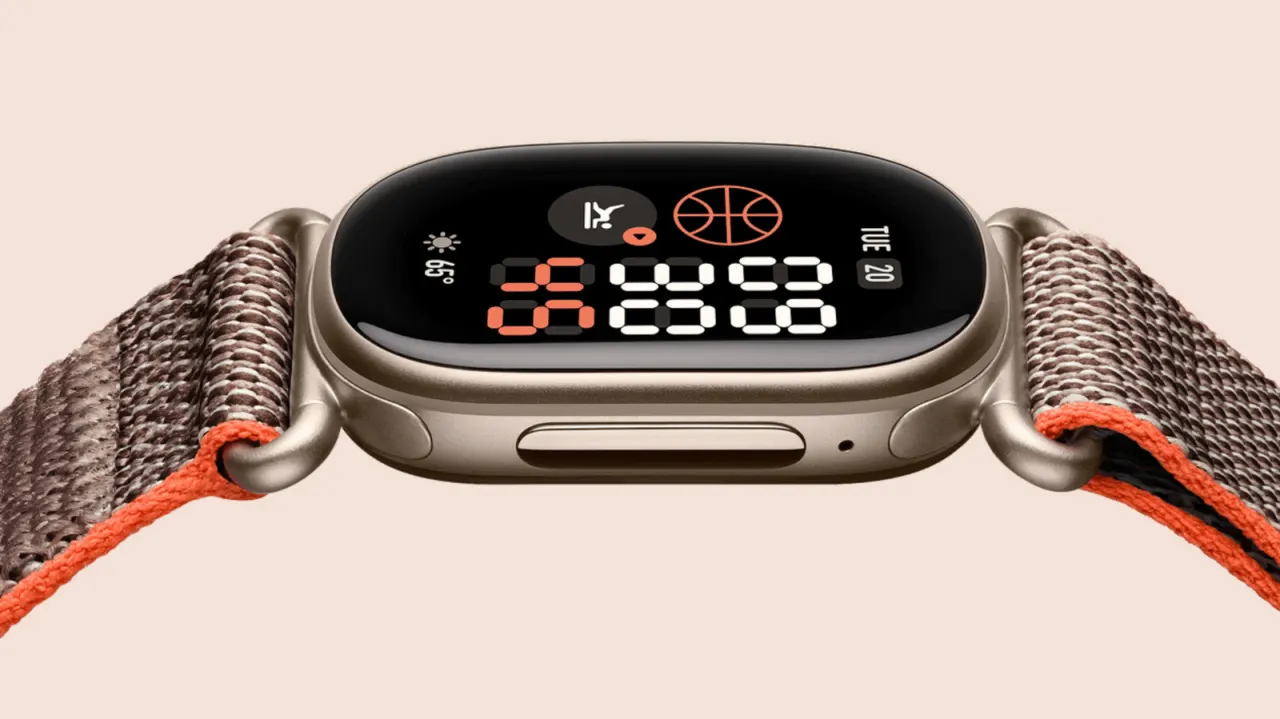
Google’s $179 Fitbit Edge adds a screen to the company’s renewed range of lower-cost wearables, but it differs from the $99 Fitbit Air in more than appearance. The comparison matters for people choosing between a simpler tracker and one with more on-device features, especially as both devices offer AI tools and work beyond the Android ecosystem.
The screenless Air is a small sensor puck managed mostly through the Google Health app, while the Edge has a 1.34-inch AMOLED touchscreen, a side button and extra sensors, including those needed for ECG readings. Both are rated for seven days of battery life with the Edge’s screen off, but that falls to around two days with always-on mode; a 15-minute charge can provide a day’s use. Both have IP68 and 5ATM water and dust resistance, and access to their full feature set requires Google Health Premium.
- The Edge costs $179; the screenless Air costs $99.
- Edge adds ECG readings and a touchscreen.
- Always-on display cuts Edge battery life to about two days.
New here? Start with this
Fitbit Air and Fitbit Edge are two lower-cost wearables from Google’s Fitbit range. The Air is a small screenless sensor, with most controls and information in the Google Health app, while the Edge adds a touchscreen and side button for using more features on the device itself.
The Edge also has extra sensors, including ones for ECG readings, but costs more than the Air. Both offer AI tools, work beyond Android phones and are rated for up to seven days of battery life, though using the Edge’s screen continuously reduces that to around two days.
Both devices are water and dust resistant, and access to their full feature set requires a Google Health Premium subscription. The choice matters to people weighing a simpler tracker against one with more on-device features and a higher price.