Court ruling opens door for Michigan to add former Miami, Boise State player to roster mid-season in wild move
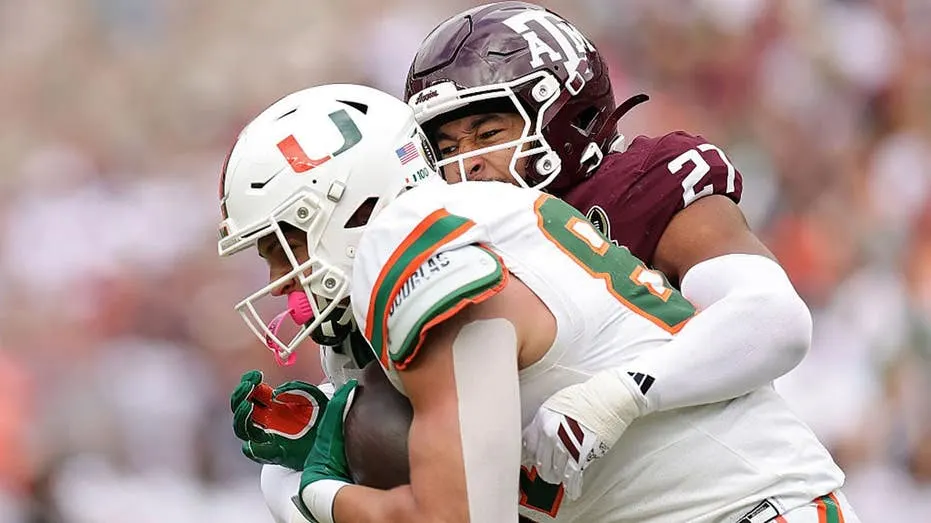
Two former college players, Alex Bauman and Jeremiah Earby, have received a temporary restraining order allowing them to enter the transfer portal and play another season. The ruling could let Michigan add both during the season, highlighting how court challenges are creating new routes around NCAA eligibility rules.
Bauman played for Miami after three seasons at Tulane, while Earby recorded 60 tackles for Boise State last season; neither signed with an NFL team. Both are reportedly enrolled at Michigan but had not signed with the Wolverines as of Wednesday afternoon. Michigan, currently 3-2 and preparing to face Penn State, has not commented, and the decision to roster the players remains with the school.
- A court order lets Bauman and Earby pursue another college season.
- Both are reportedly enrolled at Michigan but have not signed.
- Their cases reflect growing legal challenges to NCAA eligibility rules.
New here? Start with this
The NCAA sets rules on how long college athletes can compete and when they may transfer between universities. Players who have used their available seasons can seek exceptions, and some have challenged eligibility decisions in court.
Alex Bauman and Jeremiah Earby played college football at other universities before seeking another season. Neither joined an NFL team, and their cases concern whether they can transfer and play again.
Michigan would have to decide whether to add them to its team. The case matters because court challenges may affect how the NCAA’s eligibility rules are applied to other athletes.
Both sides, in good faith
The strongest fair case each way — we don't pick a winner.
The case for
Supporters could argue that the players deserve a fair chance to continue their college careers, particularly as they did not sign with NFL teams and are reportedly enrolled at Michigan. Allowing them to seek eligibility through the courts may protect individual rights when NCAA rules or their application are disputed, while giving the university discretion over whether to add them.
The case against
Critics could argue that mid-season court orders allowing extra eligibility risk making roster rules unpredictable and uneven for teams that planned within the existing system. If eligibility exceptions are decided through litigation, schools with greater resources may gain an advantage, and established NCAA rules could become harder to apply consistently.