Elle Duncan makes a fool of herself saying she and Black women are the real victims of the WNBA discourse
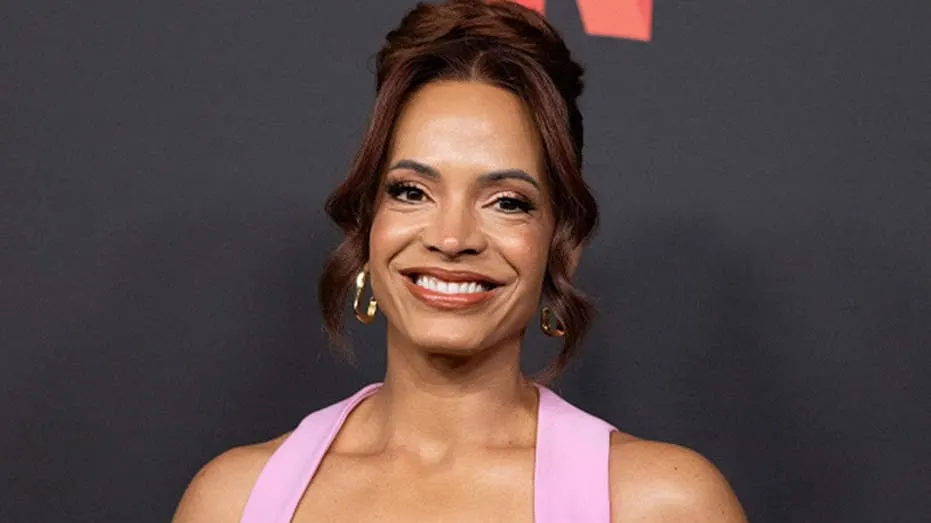
Former ESPN anchor Elle Duncan described discussion of the WNBA as “toxic” and said Black women were being targeted, arguing that some people use Caitlin Clark’s popularity to diminish Black and queer women. The article disputes her claims, but presents the writer’s opinions and allegations as evidence rather than offering an independent account of the wider debate.
Duncan said Black women were among the most marginalised groups and accused “opportunists” of elevating Clark at others’ expense. The article cites Duncan’s past political commentary at ESPN and her later hiring by Netflix to argue she was not unprotected; it also points to WNBA players avoiding discipline and media coverage of Clark as counterexamples. Its discussion includes contested characterisations of specific incidents and does not provide data measuring discrimination or protection in the league.
- Elle Duncan says WNBA debate targets Black women.
- The article challenges her claims with career and league examples.
- It offers opinion and anecdotes, not measures of the broader debate.
New here? Start with this
The WNBA is the United States’ professional women’s basketball league. Its players and teams have drawn growing attention, including around Caitlin Clark, a high-profile player whose popularity has brought more viewers and media coverage to the sport.
Elle Duncan, a former ESPN presenter, has described some discussion of the league as hostile towards Black and queer women, and has argued that Clark’s prominence is sometimes used to diminish them. The article disputes Duncan’s view, but its examples and claims reflect the writer’s perspective; it does not provide independent evidence measuring discrimination or how different players are treated.
Both sides, in good faith
The strongest fair case each way — we don't pick a winner.
The case for
Duncan’s concern is that praise for Caitlin Clark can be used to cast Black and queer players as less deserving of attention, contributing to a wider debate that treats their voices and experiences unfairly. The league’s visibility or a few prominent media opportunities would not, by themselves, rule out discrimination or unequal treatment, and her argument calls for attention to how coverage and public discourse affect marginalised players.
The case against
A reasonable counterargument is that claims of targeted hostility or unequal protection should be supported by evidence that distinguishes discrimination from ordinary disagreement, media competition and individual incidents. Clark’s substantial coverage, alongside examples of Black players receiving prominent roles and opportunities, may complicate a broad claim that Black women are being sidelined; critics can also argue that elevating one athlete need not diminish others.