Ohio Gov Mike DeWine defies NCAA eligibility rule with executive order for student-athletes
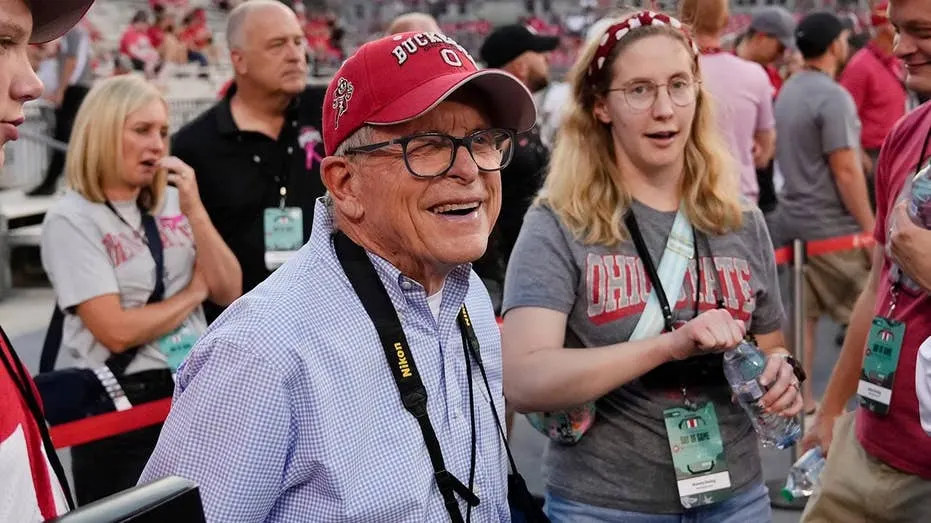
Ohio Governor Mike DeWine signed an executive order allowing colleges and universities in the state to decide whether athletes who graduated from high school in 2022 can compete for a fifth season. The move challenges the NCAA’s eligibility rule and could add pressure to a dispute being fought in courts over whether those athletes should receive another year.
The NCAA says athletes who have already played four seasons are ineligible, and its president argued that one governor cannot set eligibility rules for member schools. DeWine said Ohio athletes should have the same opportunity as those in other states; an attorney for athletes in a pending Ohio case welcomed the order. The dispute also concerns athletes’ ability to earn money through name, image and likeness deals and school revenue sharing, while the NCAA cited recent appellate court support for consistent rules.
- Ohio colleges may grant 2022 graduates a fifth season.
- The order challenges the NCAA’s eligibility rule.
- The dispute also involves athletes’ earning opportunities.
New here? Start with this
The NCAA is the organisation that oversees many university sports competitions in the United States. It sets rules for how long athletes can compete; generally, athletes may play for four seasons.
A separate legal dispute concerns athletes who finished high school in 2022 and whether they should be allowed another season. Eligibility matters because athletes may earn money from sponsorships using their name, image and likeness, and from some university revenue-sharing arrangements.
Ohio’s colleges are among those affected by the dispute, which is also being considered in court. The outcome could shape how eligibility rules are applied across universities and how much authority the NCAA and individual states have over them.
Both sides, in good faith
The strongest fair case each way — we don't pick a winner.
The case for
Athletes who lost seasons to pandemic disruption or other exceptional circumstances can reasonably argue that a fifth year gives them a fair chance to complete their college careers and benefit from opportunities available to peers elsewhere. DeWine’s order could let Ohio institutions consider individual circumstances, while also strengthening athletes’ position in a dispute over eligibility and compensation.
The case against
The NCAA and supporters of common eligibility rules can argue that consistent limits protect fairness across competitions and give schools a predictable basis for recruiting and roster planning. They may also contend that a single state’s order cannot settle a question governing a national association, particularly while courts are considering the dispute.