White House punches back at Chicago Mayor Johnson over reparations demands
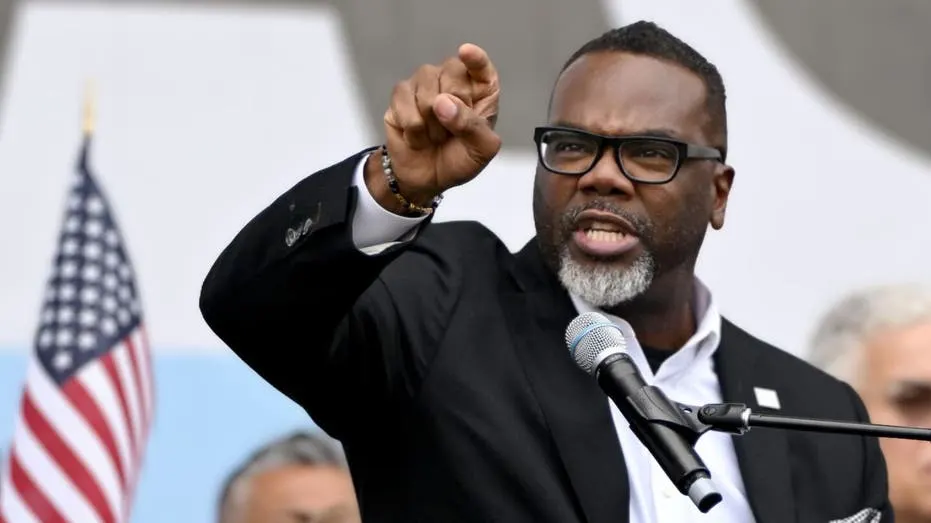
Chicago Mayor Brandon Johnson criticised President Donald Trump for neglecting the needs of descendants of enslaved Black Americans while favouring wealthy people, prompting the White House to condemn Johnson’s call for reparative policies. The dispute arose during a podcast discussion about crime and public safety in Chicago, and highlights the divide over reparations and how best to address violence.
Johnson said public safety requires investment in mental health care and community violence prevention, and claimed Trump had cut violence prevention funding by $800 million and the Bureau of Alcohol, Tobacco, Firearms and Explosives budget by 30%. He said Chicago had removed almost 9,000 illegal guns from its streets this year. The White House said race-based government payments are illegal and urged Johnson to focus on homicides; the mayor’s office reported double-digit crime reductions in 2025 and said homicides were down 3.8%, shootings 1.3% and robberies 20.9% compared with the same period last year.
- Johnson accused Trump of favouring the wealthy over descendants of enslaved people.
- The White House called race-based government payments illegal.
- Chicago reported declines in homicides, shootings and robberies.
New here? Start with this
Reparations are measures intended to address the lasting effects of slavery and racial discrimination, which can include payments, public investment or other policies. In the United States, debate continues over whether governments should provide reparations to descendants of enslaved people and what form they should take.
Brandon Johnson is Chicago’s mayor, while Donald Trump is the US president. Their disagreement reflects different views on how government should respond to racial inequality and violence, including whether public safety is best supported through law enforcement, community services or a combination of both.
Both sides, in good faith
The strongest fair case each way — we don't pick a winner.
The case for
Supporters of reparative policies argue that slavery and its lasting effects created harms that ordinary public services have not adequately addressed. They see targeted investment in mental health care, violence prevention and affected communities as both a matter of repair and a practical way to improve public safety.
The case against
Opponents argue that government payments allocated by race raise legal and fairness concerns, and that public safety debates should focus on reducing violence for everyone. They favour measures such as law enforcement and broadly available services over reparations, while questioning whether the proposed policies would deliver effective results.