El Salvador’s Bukele announces plan to free up to half of prisoners jailed in gang crackdown
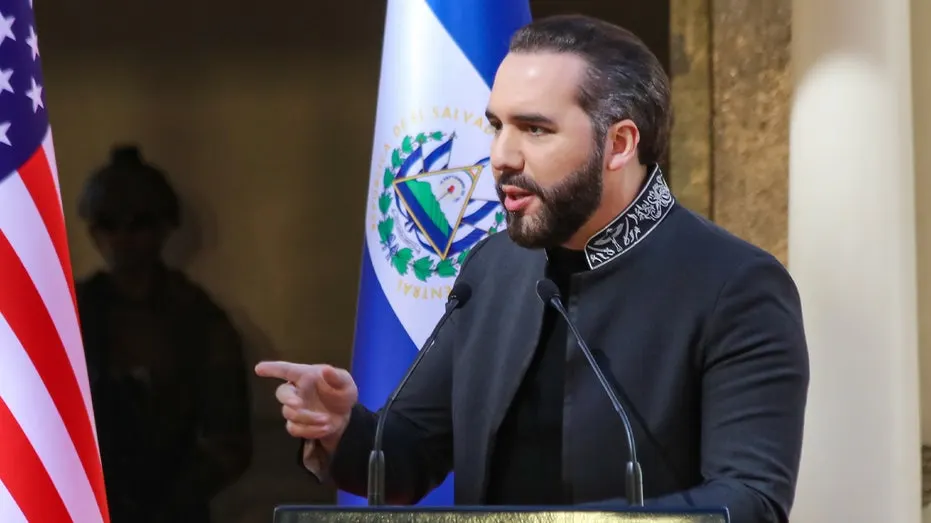
El Salvador’s President Nayib Bukele has announced a plan that could lead to the conditional early release of up to half of those detained during the country’s gang crackdown. The proposal matters because it may free thousands of people, while the emergency measures used to arrest them have also drawn sustained criticism over alleged rights abuses.
Authorities would review individual cases and could release people considered gang collaborators under monitoring, though Bukele gave few details. More than 90,000 people have been detained since the state of emergency began in March 2022; rights groups report over 6,000 complaints and at least 575 deaths in custody. The government says homicide rates have fallen, reaching 1.3 per 100,000 residents in 2025, but its definition excludes some killings.
- Bukele proposes conditional release for up to half of emergency detainees.
- More than 90,000 people have been detained since 2022.
- Rights groups cite thousands of complaints and 575 deaths in custody.
New here? Start with this
El Salvador’s gang crackdown began in March 2022, when President Nayib Bukele’s government declared a state of emergency after a surge in killings. The measures gave police broad powers to arrest people suspected of links to gangs, and more than 90,000 people have since been detained.
The government says the crackdown has sharply reduced killings. Human rights groups have raised concerns about arrests without proper evidence, prison conditions and deaths in custody. The proposed releases matter because they could affect thousands of detainees, while questions remain about how cases will be reviewed and who would qualify.
Both sides, in good faith
The strongest fair case each way — we don't pick a winner.
The case for
Supporters could argue that conditional, monitored release offers a way to correct excessive or mistaken detention while preserving public safety through individual reviews. They may also see it as a measured next step after the crackdown, which the government says has sharply reduced homicide rates, and as a chance to ease pressure on prisons.
The case against
Critics could argue that releasing large numbers after limited public detail about the review criteria risks weakening safeguards against gang activity and undermining gains in public safety. They may also question whether case reviews can be fair and reliable when the crackdown has involved mass detention, thousands of reported complaints and hundreds of deaths in custody.