Artemis III Scientist Shares What to Expect From NASA’s Next Lunar Mission
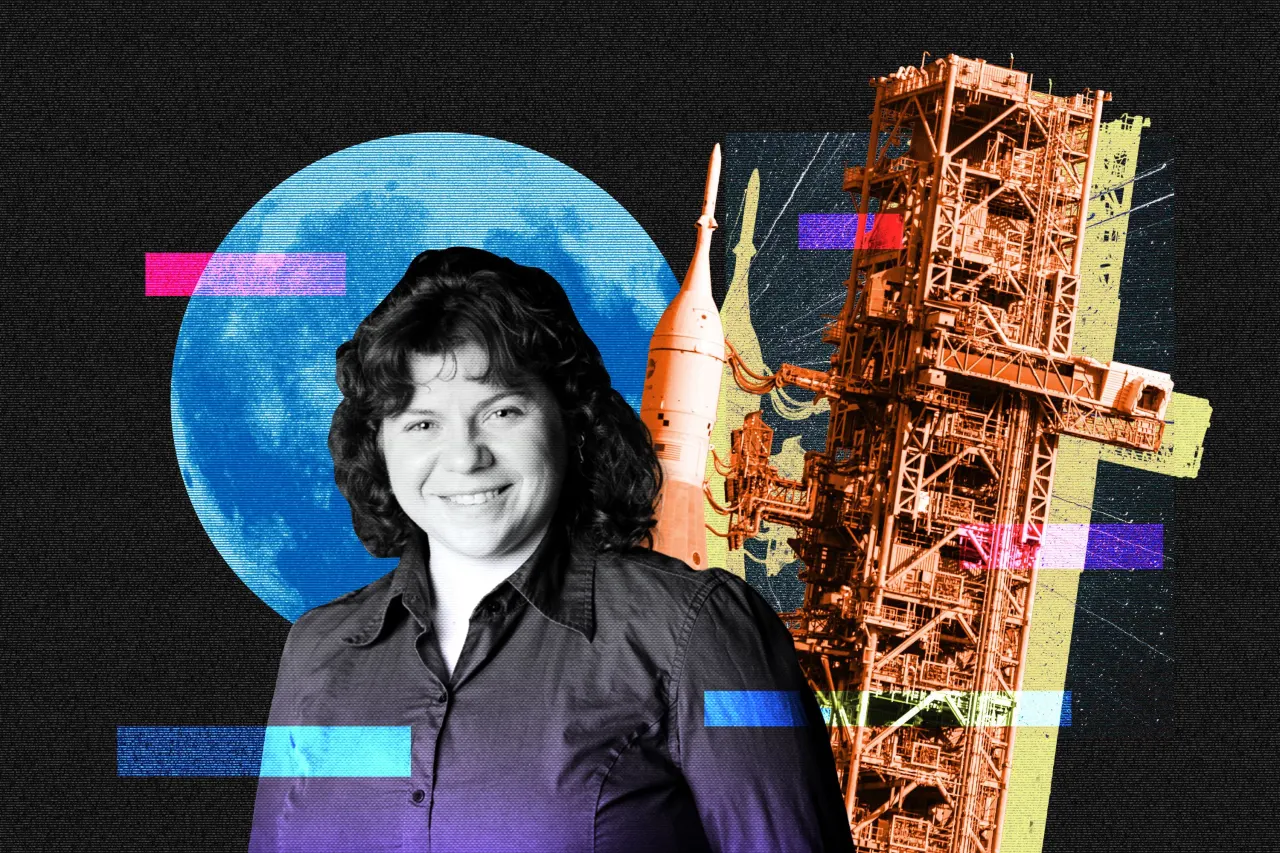
NASA’s Artemis III mission is now planned as an Earth-orbit test rather than a lunar landing, with the next mission expected to follow in 2028. Scientist Barbara Cohen says the test matters because it will check that the Orion spacecraft can safely rendezvous and operate with commercial lunar landers before similar manoeuvres are attempted near the Moon.
SpaceX and Blue Origin are each due to send a test version of their lander into orbit to meet Orion, which will carry astronauts. Artemis III will also rehearse how lunar samples could be handled and study how people alter their surroundings: crew will expose clean pieces of foil, Teflon and ceramic inside the cabin. Cohen says astronauts can observe broad scenes, focus on details and interpret what they see in ways that complement robotic missions.
- Artemis III will test Orion’s rendezvous with commercial lander prototypes in Earth orbit.
- The mission is planned before later lunar operations, now expected from 2028.
- Crew will study sample handling and how humans affect their spacecraft environment.
New here? Start with this
NASA’s Artemis programme aims to return astronauts to the Moon and prepare for longer stays there. Orion is the crew spacecraft, while companies SpaceX and Blue Origin are developing lunar landers that could carry astronauts between Orion and the Moon’s surface.
Barbara Cohen is a NASA scientist who studies the Moon and how people explore it. Testing how Orion and the landers work together, and practising sample handling and observation, can help prepare crews and equipment for later missions. Human observations may add to what robotic spacecraft can learn about the lunar environment.