Man Utd a circus after Martinez comments – Keane
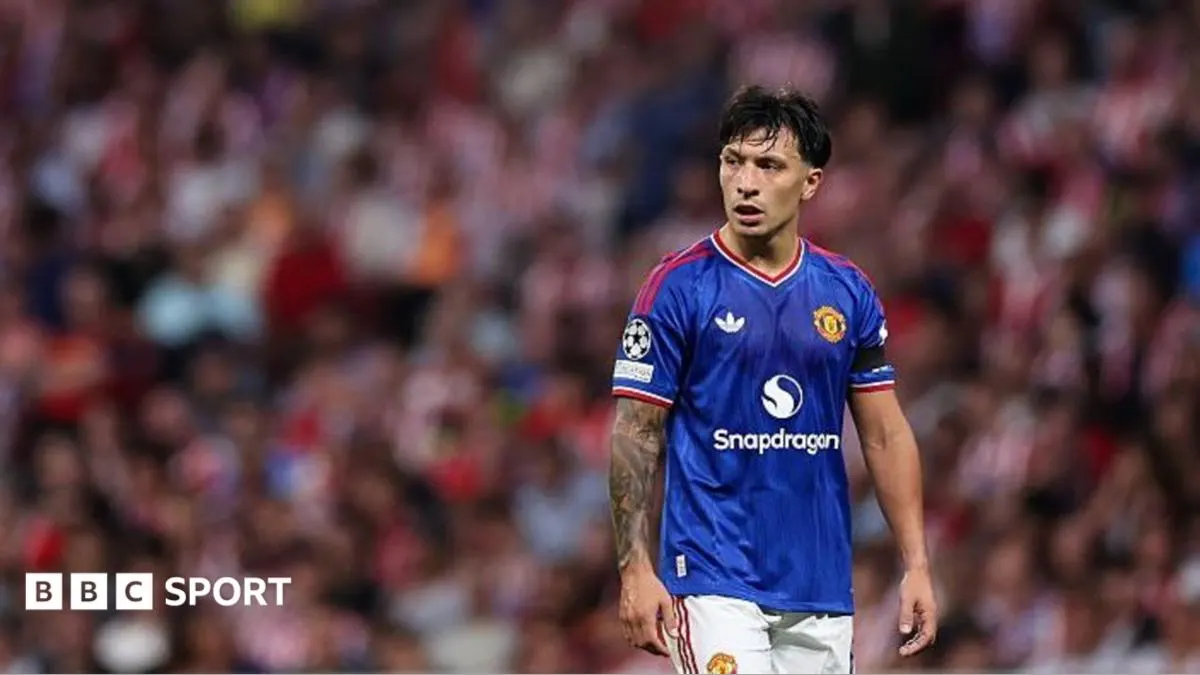
Roy Keane has called Manchester United “like a circus” after Lisandro Martinez criticised the club’s leadership and summer recruitment. Keane said the comments reflected chaos at the club, while arguing that players should look at their own performances before publicly criticising others.
Martinez spoke after United’s 2-0 defeat by Atletico Madrid, their fifth game without a win, and later said he had spoken out of anger and frustration. Gary Neville said the remarks could anger senior team-mates because they implied the current players should not be there. Martinez’s contract expires at the end of the season, with United holding an option to extend it by a year; the team are due to visit Leeds on Sunday.
- Keane says Martinez’s remarks reflect chaos at Manchester United.
- Martinez criticised the club’s summer recruitment after a fifth winless game.
- Neville warned the comments could anger senior team-mates.
New here? Start with this
Manchester United are one of England’s best-known football clubs, but their results and leadership have faced scrutiny in recent seasons. The club’s senior figures oversee decisions such as appointing managers and signing players, while the team’s performances are the responsibility of the players and coaching staff.
Lisandro Martinez is a United defender, and Roy Keane is a former United captain who now comments on football. Gary Neville, another former United player, has also spoken about the effect Martinez’s remarks might have on relationships within the squad.
Disagreements between players and club leaders can raise questions about how a team is run and whether its squad is settled. Martinez’s contract is due to end this season, though United can extend it by a year.
Both sides, in good faith
The strongest fair case each way — we don't pick a winner.
The case for
Keane’s view is that public criticism of club leaders and recruitment can deepen instability, especially when the team’s results are poor. Players also have a responsibility to examine their own performances before questioning others, and such remarks may unsettle team-mates who feel they are being blamed.
The case against
Martinez may reasonably argue that candidly criticising leadership and recruitment is necessary when repeated poor results point to problems beyond individual performances. Speaking out in frustration can draw attention to issues players believe need addressing, even if the timing or wording risks causing tension within the squad.