Healey hints there could be more Budget help with ‘punishing’ energy bills – if you’re on benefits – as he warns Britons he is preparing a ‘tough’ economic plan
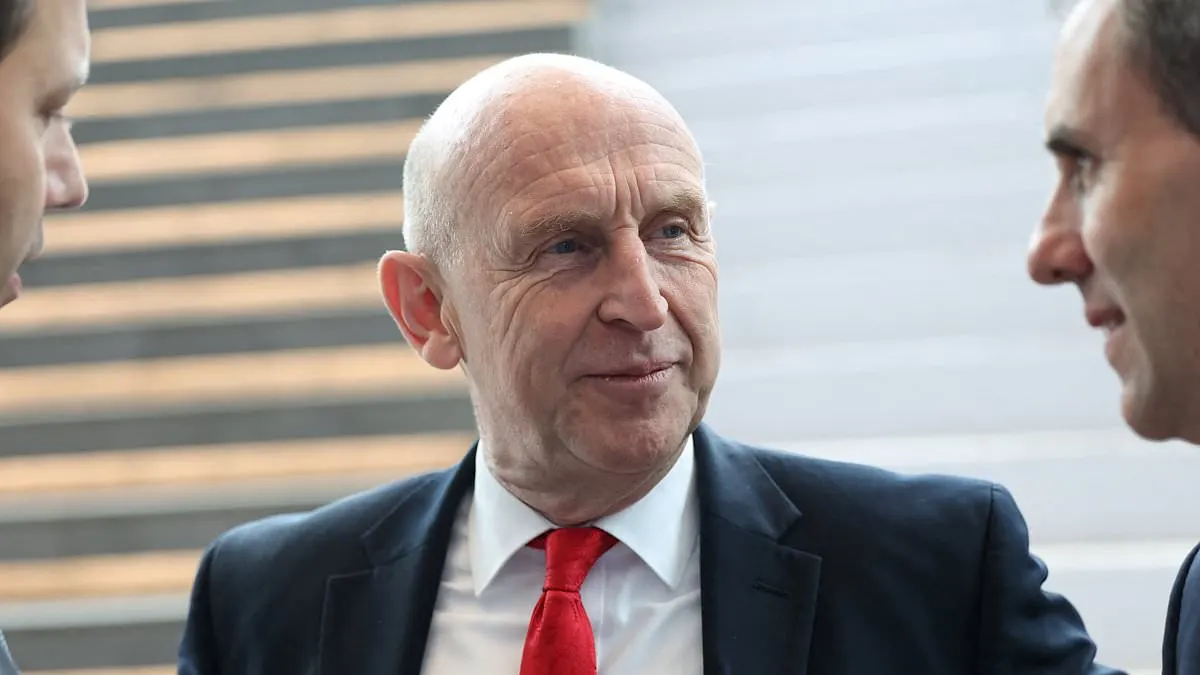
Chancellor John Healey has suggested the Budget may offer some relief from high energy bills for households and businesses, but said support would be temporary and carefully targeted. His remarks indicate that help may focus on people on the lowest incomes, as he prepares the public for a difficult economic plan.
Energy bills rose by 4 per cent when the price cap changed on 1 October, and forecasts cited in the article warn of a possible further rise of up to £300 in January. The Government has already removed the 5 per cent VAT charge on electricity until 31 March, saving households about £45 a year, while VAT remains on gas. Healey also said departments should manage within their existing budgets, amid reports that the Health Secretary was told to fund nurses’ pay deal from the NHS budget.
- Budget energy help may be limited and targeted.
- Bills could rise by up to £300 in January.
- Departments are expected to manage within existing budgets.
New here? Start with this
Energy bills in Great Britain are affected by Ofgem’s price cap, which limits the rates suppliers can charge for each unit of energy. The cap changes periodically, so bills can rise or fall even when a household uses the same amount of energy.
The Chancellor sets out the Government’s tax and spending plans in the Budget. Help with energy costs can be paid for by taxpayers or funded by reducing spending elsewhere, and support may be designed for particular groups, such as people on lower incomes.
The NHS and other government departments also have budgets they must manage. Decisions about pay and energy support can therefore affect how public money is allocated across services.
Both sides, in good faith
The strongest fair case each way — we don't pick a winner.
The case for
Targeted, temporary help could protect low-income households from unaffordable energy costs while limiting the burden on public finances. With bills forecast to rise further, supporters could argue that directing support to those most exposed is fairer and more affordable than broad subsidies, while requiring departments to find savings encourages fiscal discipline.
The case against
Supporters of wider or more generous relief could argue that sharp energy rises affect many households and businesses, including people just above benefit thresholds, so narrowly targeted aid may leave significant hardship unaddressed. They could also contend that asking public services to absorb higher costs within existing budgets risks squeezing care and staff pay when those services are already under pressure.