Russell Brand Trial: Woman Details Alleged Rape After Asking Her to Take Photos of Him Half-Naked
Developing story first seen 1 hour ago
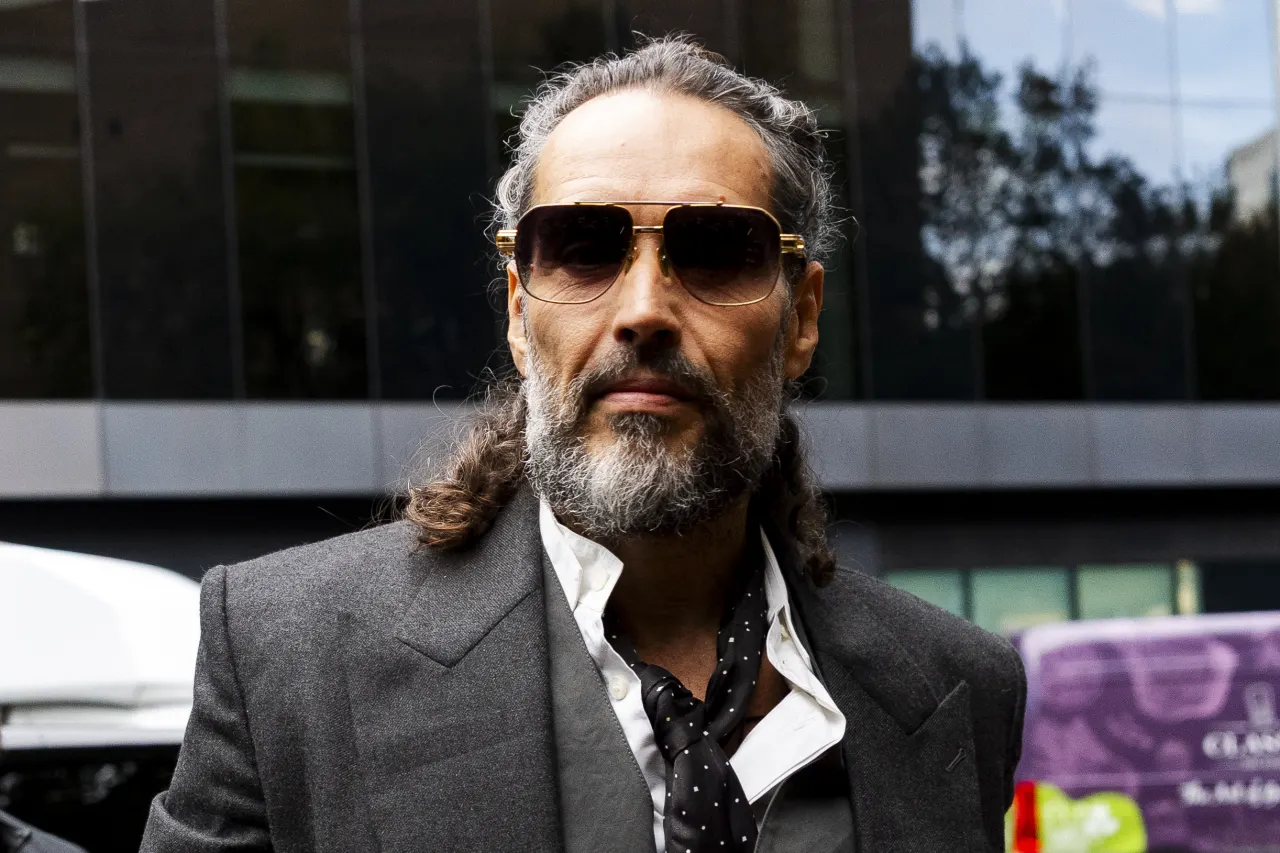
The first complainant’s police interview was shown to jurors on the second day of Russell Brand’s trial, detailing her allegation that he raped her during the 1999 Labour Party conference in Bournemouth. She said the 2023 documentary about allegations against Brand prompted her to contact police.
She alleges Brand appeared half-naked in her hotel room, made her take photographs of him, then pushed her onto a bed and raped her despite her saying no. Brand denies all allegations and has pleaded not guilty to seven charges concerning six women and alleged incidents between 1999 and 2009; the judge said the documentary would not be shown to jurors.
- A complainant’s police interview was shown to the jury.
- She alleges Brand raped her in 1999.
- Brand denies the allegations and has pleaded not guilty.
New here? Start with this
Russell Brand is a comedian and broadcaster who faces criminal charges over alleged sexual offences. The charges relate to six women and incidents said to have taken place between 1999 and 2009.
Brand denies the allegations and has pleaded not guilty. The case concerns what the women say happened and whether the prosecution can prove the charges in court; the allegations have not been established as fact.
Both sides, in good faith
The strongest fair case each way — we don't pick a winner.
The case for
The woman’s account, as reported to police and presented to the jury, describes force and a clear refusal; if the jury accepts it, that would support the prosecution’s case that the encounter was rape. The prosecution can argue that the documentary’s prompting her to report in 2023 does not by itself make her account unreliable, and that the evidence should be assessed on its merits.
The case against
Brand denies the allegation and has pleaded not guilty, so the defence can argue that the prosecution must prove the charge beyond reasonable doubt and that an allegation is not proof. It may ask the jury to examine the account and supporting evidence carefully, including the passage of time before the report, while respecting the judge’s decision that the documentary itself will not be shown.