Lone juror in Lindsay Clancy trial defends vote after backlash, denies arrest allegation
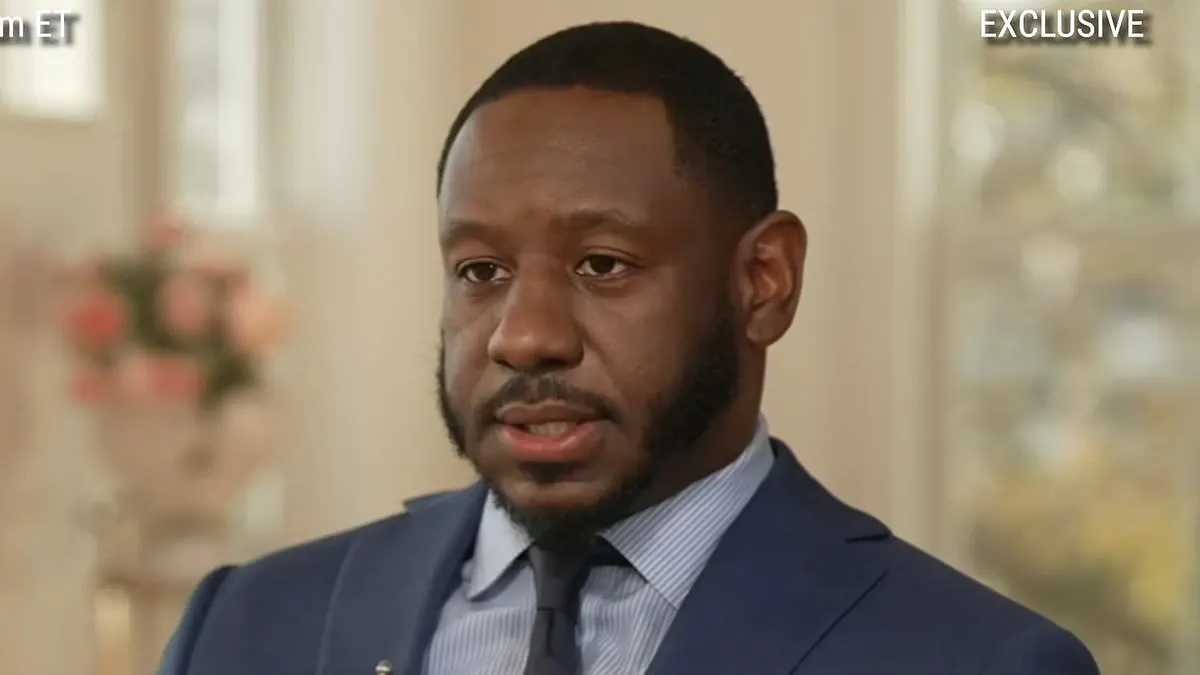
Lindsay Clancy’s murder trial ended in a mistrial after the jury split 11 to one on whether she was criminally responsible for killing her three children. The sole juror who rejected acquittal, Michael Desronvil, says the backlash was so severe that police escorted his fiancée to and from home, but he stands by his vote.
In an interview, Desronvil said he believed the killings were methodical and cited evidence heard at trial, including a 911 call made by Clancy’s husband. Clancy admitted killing Cora, five, Dawson, three, and Callan, eight months, by strangling them with exercise bands, but pleaded not guilty by reason of insanity, citing medication and postpartum psychosis. Desronvil also denied a defence allegation that he lied about a 2021 domestic violence arrest, which was later dropped.
- The jury deadlocked 11 to one, resulting in a mistrial.
- The lone holdout says his family faced harassment and needed a police escort.
- He denies lying about a dropped domestic violence arrest.
New here? Start with this
Lindsay Clancy is a Massachusetts mother who admitted killing her three young children in 2023. She pleaded not guilty by reason of insanity, arguing that medication and postpartum psychosis affected her mental state.
In a criminal trial, jurors had to decide whether Clancy was legally responsible for the killings. They could not reach the required unanimous verdict: 11 jurors favoured acquittal and one did not, so the trial ended without a verdict.
The case centres on how mental illness affects criminal responsibility and how a jury should weigh evidence about a defendant’s state of mind. A mistrial means the case has not been resolved by that jury.
Both sides, in good faith
The strongest fair case each way — we don't pick a winner.
The case for
The case for criminal responsibility is that jurors should weigh the evidence of planning and conduct alongside the insanity claim, rather than treating a serious mental illness as automatically removing responsibility. Desronvil says the trial evidence, including the 911 call, led him to view the killings as methodical; a reasonable juror could conclude that the prosecution had not established the legal basis for acquittal by reason of insanity.
The case against
The case for acquittal by reason of insanity is that postpartum psychosis and medication effects may have severely impaired Clancy’s understanding or control at the time, so an admission to the acts does not by itself settle criminal responsibility. A reasonable juror could give greater weight to the psychiatric evidence and conclude that the prosecution had not proved she was legally responsible beyond a reasonable doubt.
Business Elections Markets Politics World
Read the full article at the source →
Originally published by Daily Mail as “Lindsay Clancy holdout juror said his fiancee had to have police escort after he refused to clear killer mom, as he answers domestic abuse allegation for first time”.