Johnny Cash, Bob Dylan, and the 1960s melody they both stole
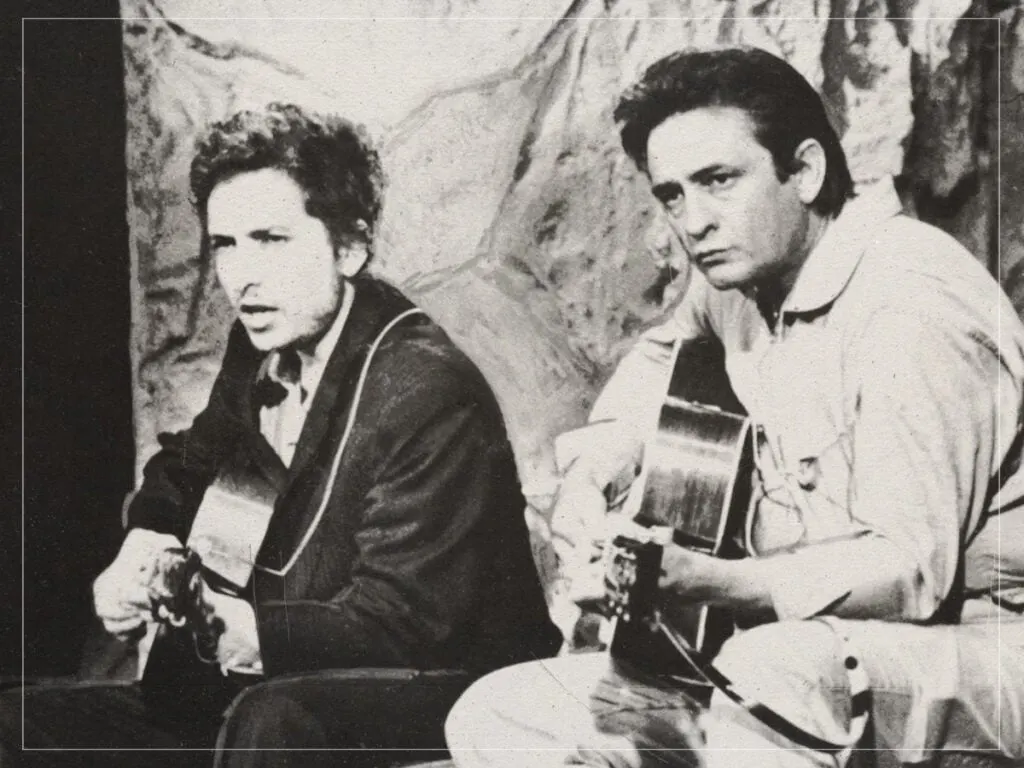
Paul Clayton’s 1960 folk song “Who’s Gonna Buy You Ribbons (When I’m Gone)” supplied a melody that Bob Dylan and Johnny Cash later reshaped for their own break-up songs. The sequence shows how folk music’s tradition of retelling and adapting older material can blur the line between borrowing and authorship.
Dylan’s 1963 “Don’t Think Twice, It’s All Right” drew on Clayton’s tune; their publishers sued each other, and Dylan later acknowledged Clayton’s contribution. Cash released “Understand Your Man” in January 1964, using the same melodic framework for a colder song written as his marriage to Vivian Liberto was failing. The melody itself was based on older folk material, making its origins difficult to trace.
- Clayton’s 1960 folk song inspired later versions by Dylan and Cash.
- Dylan acknowledged Clayton’s contribution after a publishing dispute.
- Cash turned the melody into a colder break-up song in 1964.
New here? Start with this
Folk songs often change as they pass between singers, with melodies and verses adapted over time. Paul Clayton’s 1960 song used a tune rooted in older folk material, whose precise origins are difficult to trace.
Bob Dylan and Johnny Cash later used the tune’s melodic framework for songs about relationships ending. Dylan’s publishers sued Clayton’s over the connection, and Dylan later recognised Clayton’s contribution; Cash’s song was released as his marriage to Vivian Liberto was failing.
The story matters because folk music has long relied on retelling and adaptation, making it hard to draw a clear line between shared tradition and an individual songwriter’s contribution.
Both sides, in good faith
The strongest fair case each way — we don't pick a winner.
The case for
In folk music, melodies often travel through oral tradition, and adapting them can be a legitimate way to keep shared material alive. Dylan and Cash changed the tune’s words and emotional direction, while the melody’s own roots in older folk material make exclusive claims of authorship difficult; Dylan’s later acknowledgement of Clayton also recognises his contribution.
The case against
A melody can be part of a shared tradition while a particular songwriter still makes a distinctive, identifiable contribution deserving credit and fair compensation. Clayton’s song preceded both later versions, and Dylan’s acknowledgement supports the view that his role should not be obscured simply because the tune had older roots; publishers’ dispute reflects the real stakes for attribution and ownership.