Record 11,400 UK drivers challenge fines linked to cloned plates
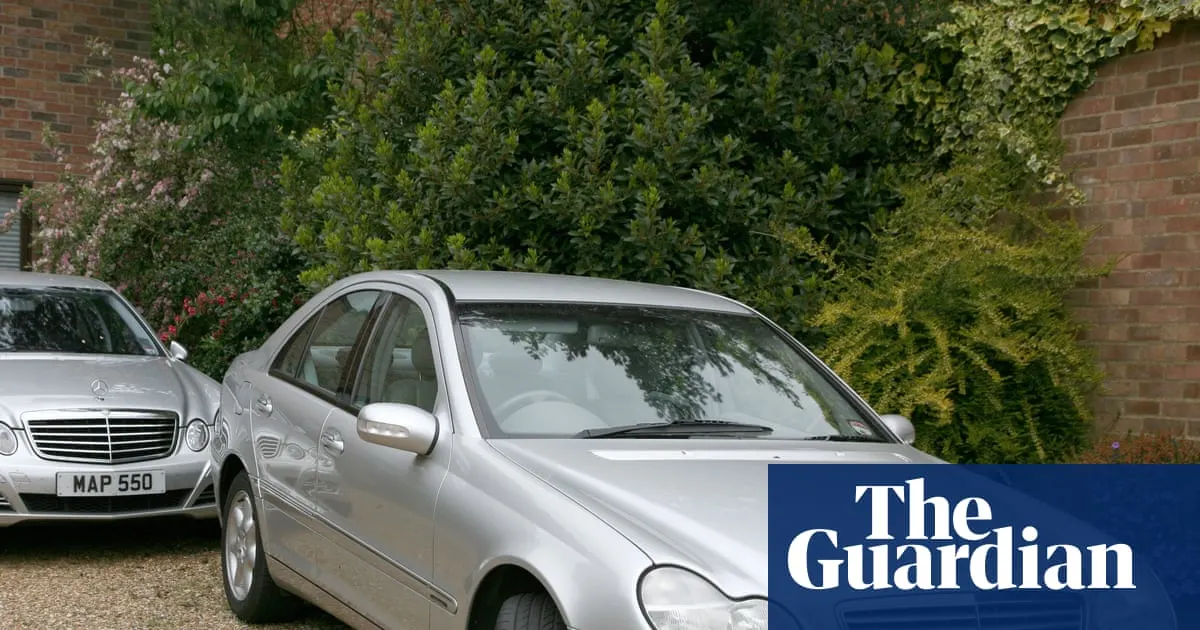
More than 11,400 UK drivers contacted the DVLA last year after receiving fines for offences they said they had not committed, with most cases believed to involve cloned number plates. The record figure highlights how fraudulent plates can let offenders evade enforcement while leaving innocent vehicle owners to challenge penalties.
The RAC analysed data obtained through freedom of information requests and found complaints rose 9% from 2024 and were almost twice the 2018 total. It called for tighter checks on plate suppliers and better detection of “ghost” plates, which are designed to evade the UK’s 18,000 automatic number plate recognition cameras. The government has announced funding for a new roads policing team and a coordination centre to share intelligence and trial detection technology; drivers using incorrectly displayed plates can be fined up to £1,000.
- More than 11,400 drivers disputed fines last year.
- Complaints were up 9% on 2024.
- Government plans a crackdown on illegal plates.
New here? Start with this
Number plates identify vehicles to drivers, police and enforcement cameras. Criminals can copy a legitimate car’s registration and put it on another vehicle, making it harder to identify the offender and potentially sending fines to the innocent owner.
The DVLA keeps vehicle registration records, while automatic number plate recognition cameras read plates to help enforce road rules and investigate crime. A driver who receives a penalty linked to a copied plate may need to show that their vehicle was elsewhere or did not match the one recorded.
False or deliberately obscured plates can undermine camera checks and make it harder to trace vehicles. The issue matters both to people wrongly pursued for offences and to efforts to enforce road laws; rules also allow fines for drivers whose plates are displayed incorrectly.
Both sides, in good faith
The strongest fair case each way — we don't pick a winner.
The case for
Tighter checks on number plate suppliers and better detection could make it harder for criminals to evade enforcement, protect the public and reduce the burden on drivers wrongly fined. The rise in complaints suggests current safeguards may not be keeping pace with the problem, so the proposed policing team, coordination centre and detection trials could help authorities share intelligence and respond more effectively.
The case against
Stronger checks and expanded detection powers should be carefully targeted, since extra monitoring and enforcement can impose costs on suppliers, drivers and public services while raising concerns about privacy and mistaken identification. The reported complaints show a real problem, but do not by themselves establish which measures would work best; improving how disputed fines are reviewed and resolved could protect innocent drivers without relying chiefly on wider surveillance or regulation.
Read the full article at the source →
Originally published by The Guardian as “Number of cloned number plates on UK roads at record high, data shows”.