Busan Takeaways: Record Crowds Meet a Political Storm as Asia’s Producers Close Ranks
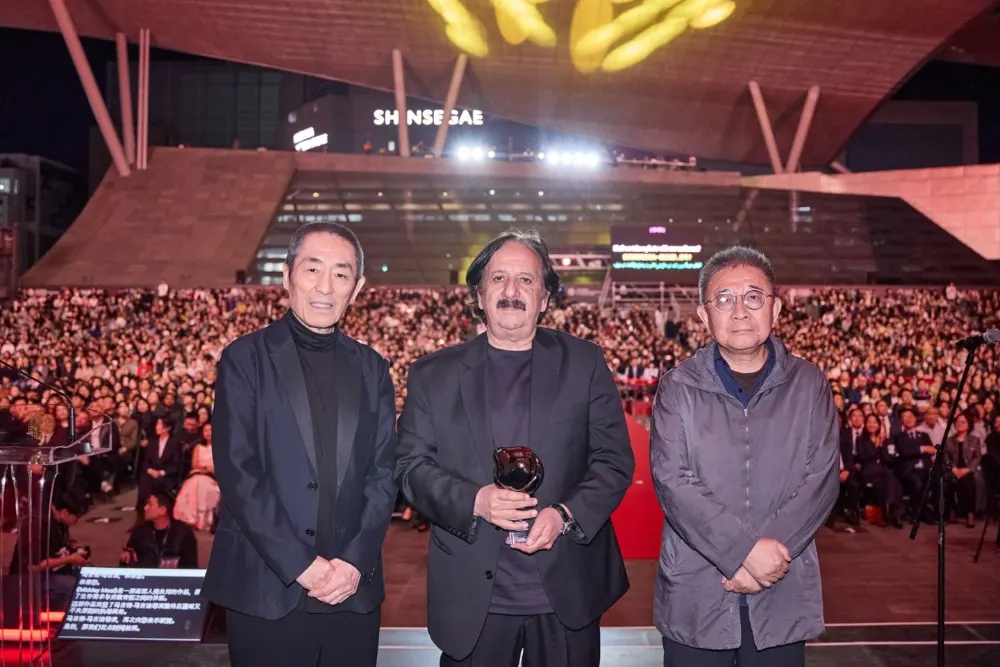
The 31st Busan International Film Festival drew its biggest film audiences since 2015, while political disputes over a Korean film and an Iranian director’s speech put creative freedom and historical interpretation in the spotlight. The event also highlighted the growing role of its Asian Contents & Film Market, alongside concerns that public funding has not kept pace with its expansion.
Screenings recorded 200,043 admissions, and total attendance across talks and other events reached 277,027, about 40,000 more than last year. The market welcomed 30,484 visitors, up 1.6%, with 3,158 registered participants from 1,266 companies in 58 countries; exhibitors increased 17% to 339. The controversy around “The Assassin(s)” led to a cancelled actor event and the film’s cast and crew withdrawing from festival appearances after protests were announced.
- Busan recorded 200,043 film admissions, its highest total since 2015.
- Total festival attendance rose to 277,027.
- Political disputes over a Korean film overshadowed parts of the festival.
Both sides, in good faith
The strongest fair case each way — we don't pick a winner.
The case for
A festival can defend its decision to screen a contested film as part of its commitment to artistic freedom and open debate; withdrawing it under pressure could discourage filmmakers from tackling difficult histories. The record audiences and expanding market also suggest the festival is serving a substantial cultural and industry role, supporting the case for public funding to grow with its remit.
The case against
A festival also has a responsibility to consider how its programming and public events affect people who see a film’s portrayal of history as harmful or unfair. Protests and the cancelled appearances show that these disputes can disrupt participation, while expanding public support may reasonably be questioned if audiences, industry benefits and funding needs have not been weighed against other priorities.