Egypt’s Climate-Resilient ‘Super Corals’ Are Starting to Feel the Heat
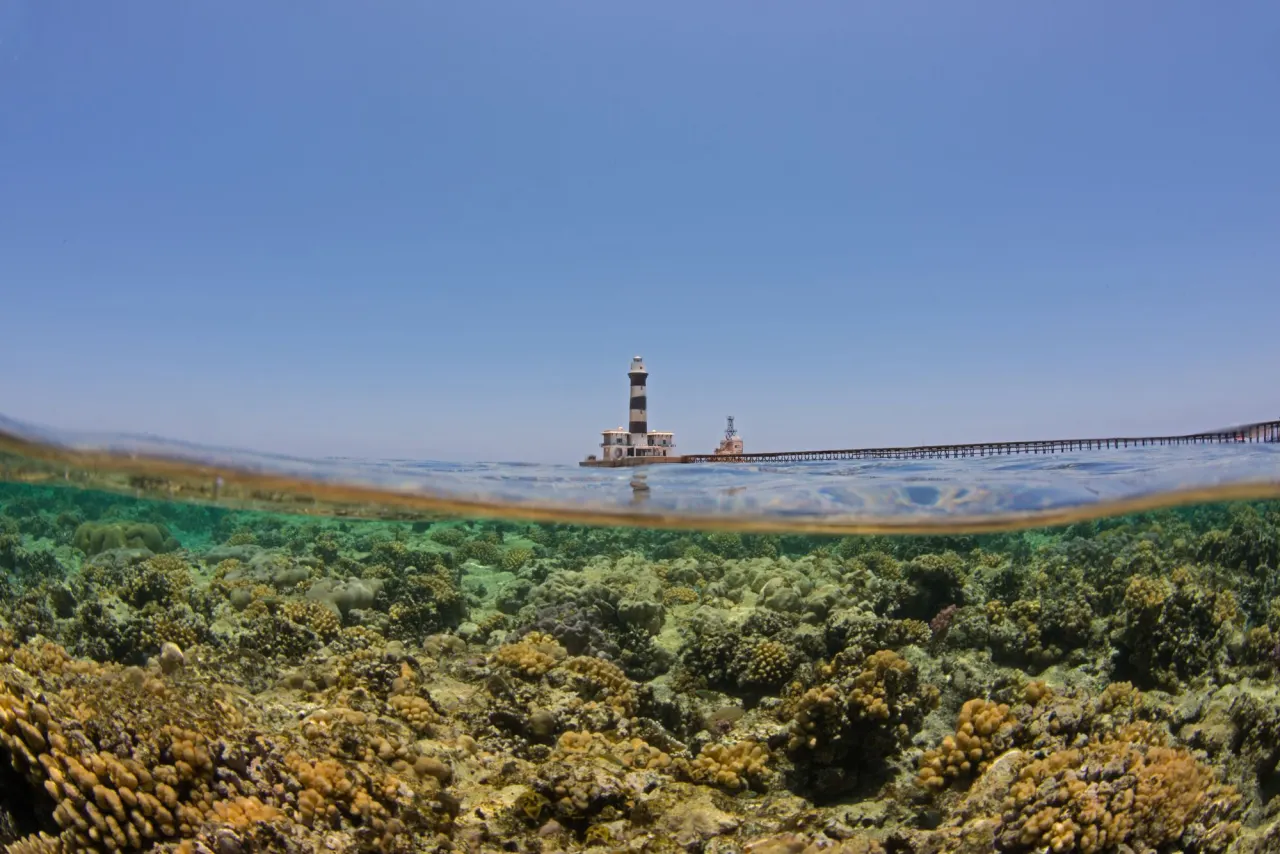
A heat wave in the Red Sea in 2024 caused bleaching across Egyptian coral reefs long regarded as unusually resilient to warming. The damage raises questions about what has protected these reefs and whether they can withstand future heat, with consequences for the many marine species that depend on them.
A survey led by Mahmoud Hanafy found fewer than one in ten coral colonies affected in the north, compared with about half further south. Scientists cite both the heat-tolerant ancestry of Red Sea corals and local currents that can bring cooler deep water to the surface; unusually calm seas for around six weeks may have weakened that cooling effect in 2024. Exceptionally low tides may also have added stress, and Egypt is expanding protected areas and conservation partnerships.
- 2024 heat strained Egypt’s famously resilient Red Sea corals.
- Bleaching affected under 10% of colonies in the north.
- Further south, about half of surveyed corals were affected.
New here? Start with this
Coral reefs are built by tiny animals that grow hard outer skeletons, creating habitats for fish and other marine life. When seawater stays too warm, corals can lose the algae that provide much of their food and colour; this is called bleaching, and prolonged stress can kill them.
Red Sea corals have been considered relatively tolerant of heat, partly because they are adapted to naturally warm waters. In parts of the sea, currents can also lift cooler water from the depths, helping to limit heat stress.
The reefs support many marine species and are important to coastal communities. Their ability to cope with a warming climate depends on both the corals’ natural tolerance and local conditions that may ease or intensify heat stress.
Art Celebrity Climate Culture Entertainment Research Science