Google’s premium Android laptops struggle to justify their price for most buyers
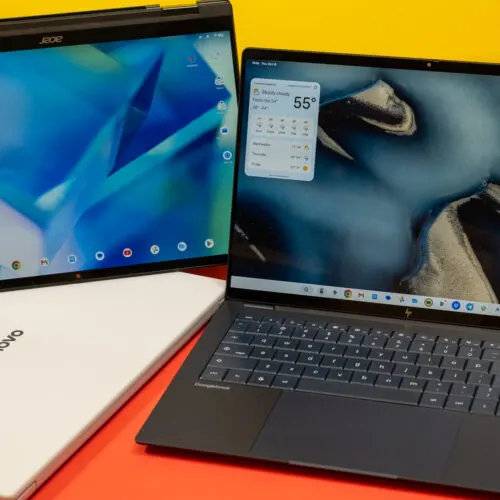
Google has launched Googlebooks, premium laptops running a version of Android, as an alternative to Windows and macOS. A review finds that although they offer polished hardware and some useful features for Android users, the software still feels designed for phones or Chromebooks, which may make it hard for Google to persuade people to switch.
The launch models have touchscreen displays, metal bodies, biometric unlocking and large trackpads, with prices starting at $899 for a limited-time Acer model. Higher-end options cost $1,100 or more, and the HP model is $1,300; at that price, the reviewer says an entry-level MacBook Air may suit most buyers better. The review also notes that Googlebooks retain Android-style controls and that the Glowbar currently has limited practical use.
- Googlebooks bring Android to premium laptops.
- The hardware impresses, but the software still feels phone-centred.
- Prices reach $1,300, putting them up against MacBooks.
New here? Start with this
Google has developed Android, a mobile operating system used on phones and tablets, and ChromeOS, the software behind Chromebooks. Googlebooks bring Android to a new class of premium laptops, putting them in competition with established Windows and Mac computers.
The devices combine laptop features such as large trackpads and metal cases with Android apps and controls. That may be useful for people who already rely on Android, but laptop software needs to work well with larger screens, keyboards and trackpads. How smoothly Android makes that transition matters to buyers weighing the Googlebooks against other laptops at similar prices.
Both sides, in good faith
The strongest fair case each way — we don't pick a winner.
The case for
Googlebooks offer polished hardware, touchscreens, biometric unlocking and features that may work especially well for people already invested in Android. Supporters could argue that a premium Android laptop gives users a more connected alternative to Windows or macOS, and that early software limitations may improve as the platform develops.
The case against
At prices approaching or exceeding those of established premium laptops, buyers can reasonably expect software designed for a full-sized computer. The Android-style controls and limited usefulness of the Glowbar may leave Googlebooks feeling less capable than their hardware suggests, while alternatives such as the MacBook Air could offer better value for many people.
Read the full article at the source →
Originally published by Ars Technica as “Googlebook review: Android on a laptop is still Android”.