58 Years Later, This 15-Minute Opener Is Still Better Than Every Western Since
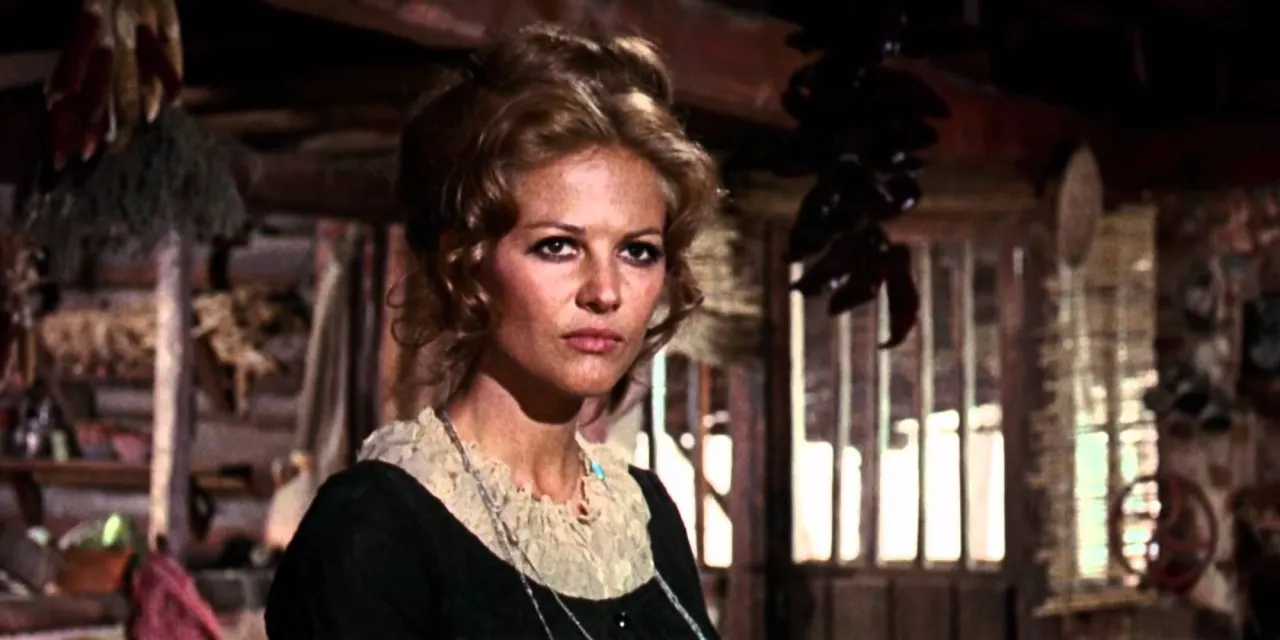
Sergio Leone’s 15-minute opening to *Once Upon a Time in the West* builds tension through three gunmen waiting at a remote station for Harmonica, played by Charles Bronson. Its deliberate pacing, close-ups and near-silent soundscape establish the film’s stark world and show how Leone could reshape familiar Western conventions.
The 1968 film grew out of Leone’s work on the “Dollars” trilogy and became his most ambitious Western, with story contributions from Bernardo Bertolucci and Dario Argento. Its wider plot follows Jill McBain, whose husband is murdered by Frank, played by Henry Fonda, as a railway is planned; Fonda’s casting as a villain subverts his familiar good-guy Western image. The article also notes that the waiting gunmen were played by actors with varied ties to the genre, including Jack Elam, Al Mulock and Woody Strode.
- Leone’s quiet station sequence makes waiting feel tense.
- The 1968 Western recasts familiar genre traditions.
- Henry Fonda’s villain role turns his screen image upside down.
New here? Start with this
Spaghetti Westerns were Western films made mainly by Italian filmmakers in the 1960s, often with American actors. Sergio Leone helped make them known for striking images, dramatic music and stories that played with familiar ideas about heroes and villains.
Once Upon a Time in the West is Leone’s 1968 film about a railway being built across the American frontier. Jill McBain is drawn into the conflict after her husband is murdered by Frank, played by Henry Fonda, an actor widely associated with heroic roles in Westerns.
The film’s story was developed with contributions from Bernardo Bertolucci and Dario Argento. Its cast also included Charles Bronson as Harmonica, and Jack Elam, Al Mulock and Woody Strode as gunmen whose presence links the film to different strands of Western cinema.
Both sides, in good faith
The strongest fair case each way — we don't pick a winner.
The case for
The opening’s patient build, striking close-ups and sparse sound make the wait itself gripping, showing how suspense can come from mood and observation rather than rapid action. Its use of familiar Western figures and conventions, then its deliberate subversion of them, gives the scene unusual depth and helps explain its lasting influence.
The case against
The same drawn-out pacing and near-silent stretches can feel mannered or self-indulgent, asking viewers to admire the technique more than become invested in the characters. Calling this opener better than every Western since also overlooks how varied the genre is, and how other films may achieve greater force through different styles, stories or performances.