Successful book adaptations can follow, reshape or reinvent their sources
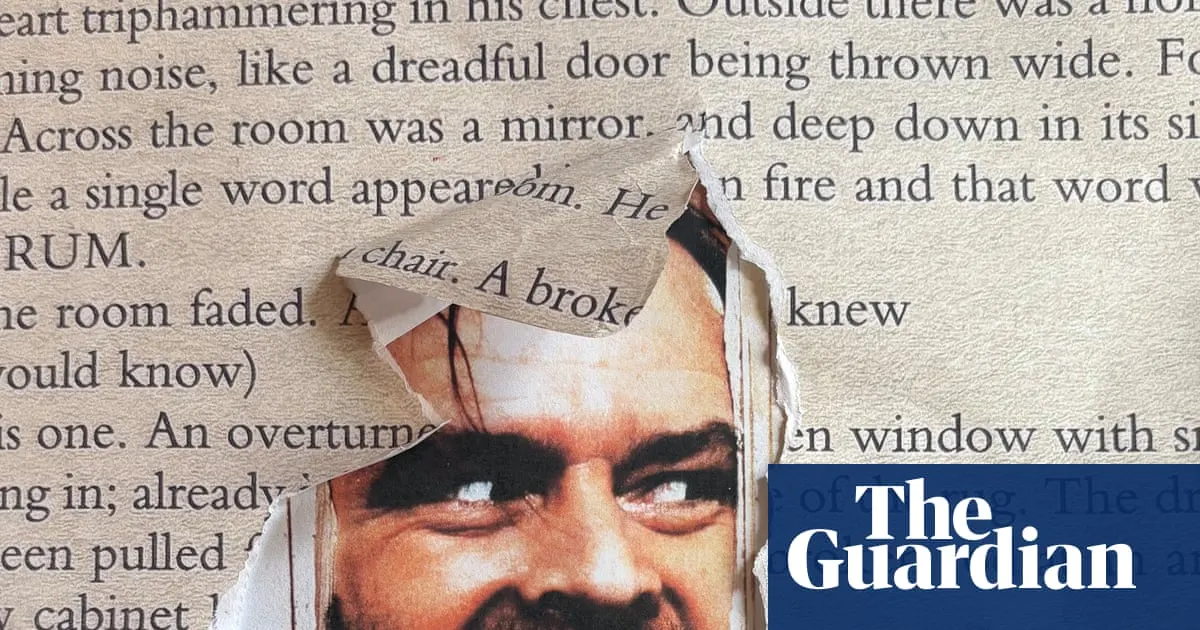
The article argues that there is no single formula for adapting a book successfully: a film can closely follow its source, transform it or take only what it needs. The quality of the novel does not determine the quality of the adaptation, and viewers’ expectations that a film should match the version in their imagination can make the task especially contentious.
Examples range from novels such as *Jaws*, *The Godfather* and *The Exorcist*, which became celebrated films, to acclaimed adaptations of major literary works including *Trainspotting* and *A Clockwork Orange*. Austen’s plots, short stories, myths and familiar tales can be especially adaptable, while some filmmakers deliberately take liberties with the original. The article draws on the author’s research for a book about adaptations, including both notorious failures and acclaimed films.
- Good adaptations have no single formula.
- A great book can make a great film.
- Creative departures from the source can work.
New here? Start with this
Adapting a book for film means turning a story told in words into one told mainly through images, sound and performance. A filmmaker may keep the plot and characters close to the original, or change them to suit a different medium and audience.
Books such as Jaws, The Godfather and The Exorcist became well-known films, while Trainspotting and A Clockwork Orange show that literary works can also be adapted successfully. Familiar stories, including Jane Austen’s novels, myths and traditional tales, are often retold in different ways.
There is no single measure of a successful adaptation: a film’s quality does not depend simply on how closely it follows its source. Readers may have strong ideas about how a book should look on screen, which helps explain why changes can prompt debate.
Art Culture Entertainment Film Geopolitics Politics
Read the full article at the source →
Originally published by The Guardian as “An open book: how make a great film adaptation, from The Shining to Trainspotting”.