Unsettling installations at Frieze explore intimacy, medicine and the body
Frieze London and Frieze Masters feature works that use unusual objects and unsettling imagery to comment on sex work, medicine, corporate influence and the human body. The article highlights installations that challenge the fair’s more conventional displays and argues that striking art can be found both in contemporary booths and among historical works.
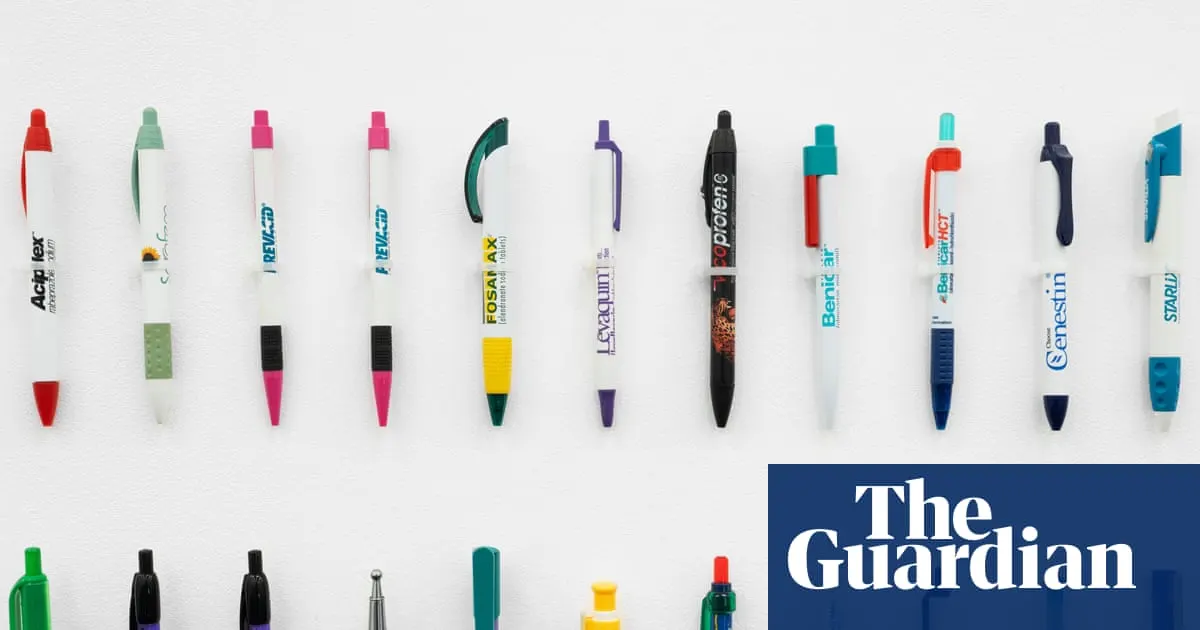
Among the works described are Ella Fleck’s sound installation about paid online intimacy, Yuli Serfaty’s headless dog sculptures, and Rirkrit Tiravanija’s robotic arm dispensing ibuprofen. Lazzard presents promotional pharmaceutical pens collected from doctors’ estates, while Gray Wielebinski turns scented urinal cakes into sculptures; Swiss artist Miriam Cahn fills a booth with 26 years of self-portraits. Frieze Masters also offers a lesser-known painting by 19th-century artist William-Adolphe Bouguereau.
- Frieze’s standout works range from robotic medicine to scented urinal cakes.
- Several artists explore how bodies and relationships are treated as commodities.
- Miriam Cahn’s booth brings together 26 years of self-portraiture.
New here? Start with this
Frieze London and Frieze Masters are art fairs where galleries show and sell works by contemporary and historical artists. Alongside more familiar paintings and sculptures, some artists use sound, everyday objects or unsettling images to explore subjects such as the body, medicine and intimacy.
The artists mentioned include Ella Fleck, whose sound work concerns paid online intimacy, and Rirkrit Tiravanija, whose installation uses a robotic arm to dispense ibuprofen. Other works draw on pharmaceutical advertising, scented urinal cakes, animal forms and self-portraits, connecting personal experience with wider questions about healthcare, commerce and how bodies are represented.
These works sit within the fairs’ broader mix of contemporary art and older pieces, including a painting by the 19th-century artist William-Adolphe Bouguereau. Their range helps explain why visitors may encounter challenging or unexpected subjects as well as more conventional displays.
Read the full article at the source →
Originally published by The Guardian as “Sweet nothings, urinal cakes and headless dogs: 10 artworks worth seeing at Frieze”.