Do Manchester City have any grounds to win their appeal?
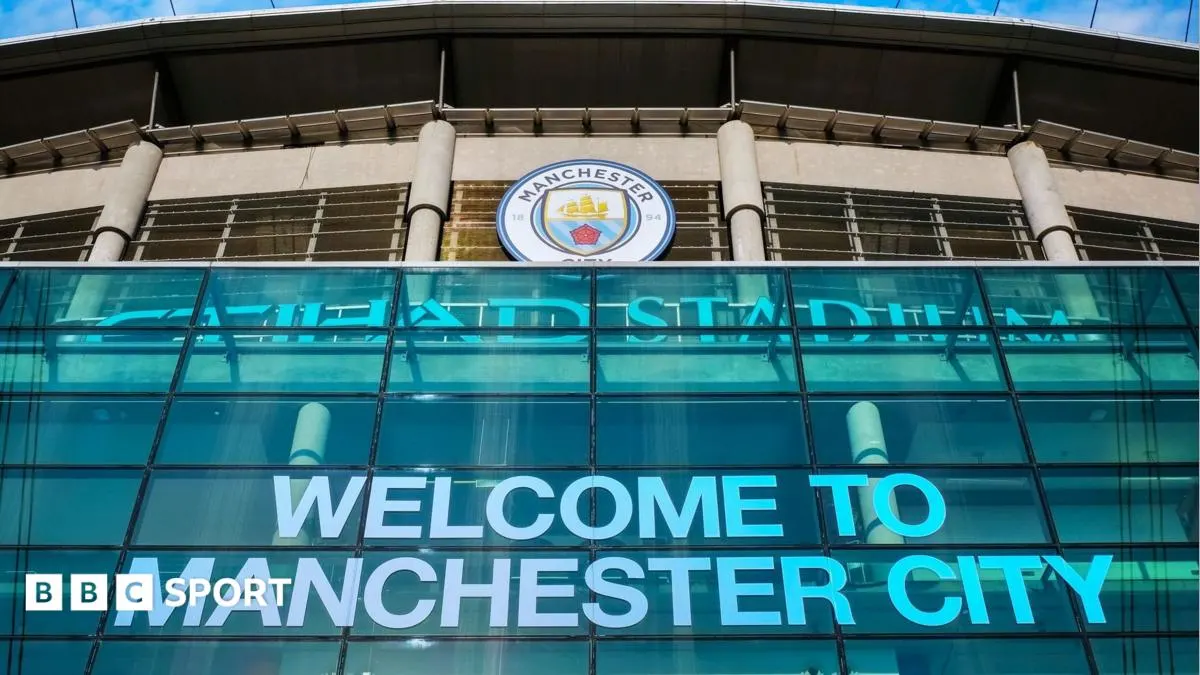
Manchester City have been found guilty of all charges relating to breaches of Premier League financial rules from 2009-10 to 2017-18, including allegations that sponsorship deals were inflated by £830m through “sham contracts”. The club denies wrongdoing and is appealing, but a sports lawyer says it faces substantial hurdles because an appeal must identify a material error or serious procedural unfairness that affected the ruling.
City says payments came from the United Arab Emirates government as a shareholder in its sponsors, making the sponsorship income legitimate, and argues that the commission’s findings contain errors. Lawyer James Severn says government records and payment documents could help if they establish a clear audit trail, but may carry little weight if the commission already considered them. City also plans to challenge how the commission interpreted Football Leaks emails; Etihad’s complaint that it was not represented in the proceedings does not by itself establish unfairness.
- City denies the charges and is appealing the ruling.
- Its appeal must show a material error or serious unfairness.
- New documents may matter if they provide a clear audit trail.
Both sides, in good faith
The strongest fair case each way — we don't pick a winner.
The case for
City can argue that if its evidence shows sponsorship payments came from the UAE government as a shareholder in the sponsors, the income was legitimate and the commission’s conclusions were mistaken. Government records and payment documents could support that case if they establish a clear audit trail, and errors in the commission’s assessment of the Football Leaks emails could provide grounds for appeal if they materially affected the ruling.
The case against
The Premier League’s case is supported by findings that City breached financial rules over several seasons, including allegations of inflated sponsorship deals. An appeal faces a high bar: City must show a material error or serious procedural unfairness that affected the decision, and evidence already considered may not change the outcome; Etihad’s absence from the proceedings does not, by itself, establish unfairness.