UK banks’ windfall profits renew calls for higher taxes
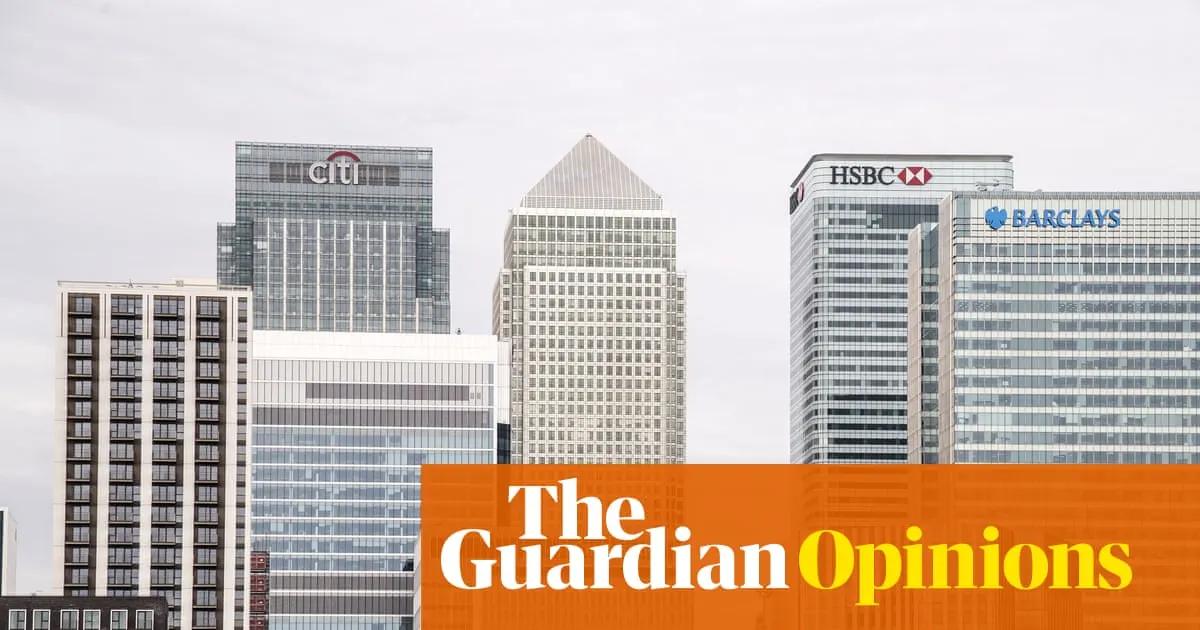
The editorial argues that the UK should tax banks more heavily, saying their recent profits have been boosted by higher interest rates while households and businesses face higher borrowing costs. It says the state helped protect banks during the 2008 financial crisis, so they should contribute more to the public finances and politicians should resist City lobbying.
The four biggest UK banks made £29bn in the first half of 2026, up a fifth on the same period in 2025, while the Bank of England paid interest on banks’ reserves at public expense. A proposed increase in the bank surcharge from 3% to 8% could raise about £2bn a year; campaign groups have also suggested other levies that they estimate could raise more. The banks say higher taxes could reduce lending, but the editorial cites £7.7bn spent on dividends and share buybacks in the first quarter without affecting lending.
- UK banks’ profits have risen sharply amid higher interest rates.
- A surcharge increase could raise around £2bn a year.
- The editorial says public protection brings obligations.
Both sides, in good faith
The strongest fair case each way — we don't pick a winner.
The case for
Banks have earned unusually high profits as interest rates rose, while households and businesses face more expensive borrowing; a higher levy could ensure they contribute fairly to public finances. The state also supported the sector during the 2008 crisis, and the proposed surcharge increase is estimated to raise about £2bn a year. The editorial argues that substantial dividends and buybacks weaken claims that higher taxes would necessarily constrain lending.
The case against
Higher bank taxes could reduce the funds available to support lending, potentially making credit less accessible or more costly for households and businesses. Banks may also argue that a stable, competitive tax regime helps them invest and serve the UK economy, and that profits reflect wider market conditions rather than an exceptional windfall. Taxing them more heavily could therefore bring public revenue at the cost of investment or lending, with uncertain effects.
Business Economy Elections Politics UK World
Read the full article at the source →
Originally published by The Guardian as “The Guardian view on the banks: too big to fail cannot mean too big to tax | Editorial”.