‘FBI’ Officially Brings OA’s Undercover Mission Into Its Endgame [Exclusive]
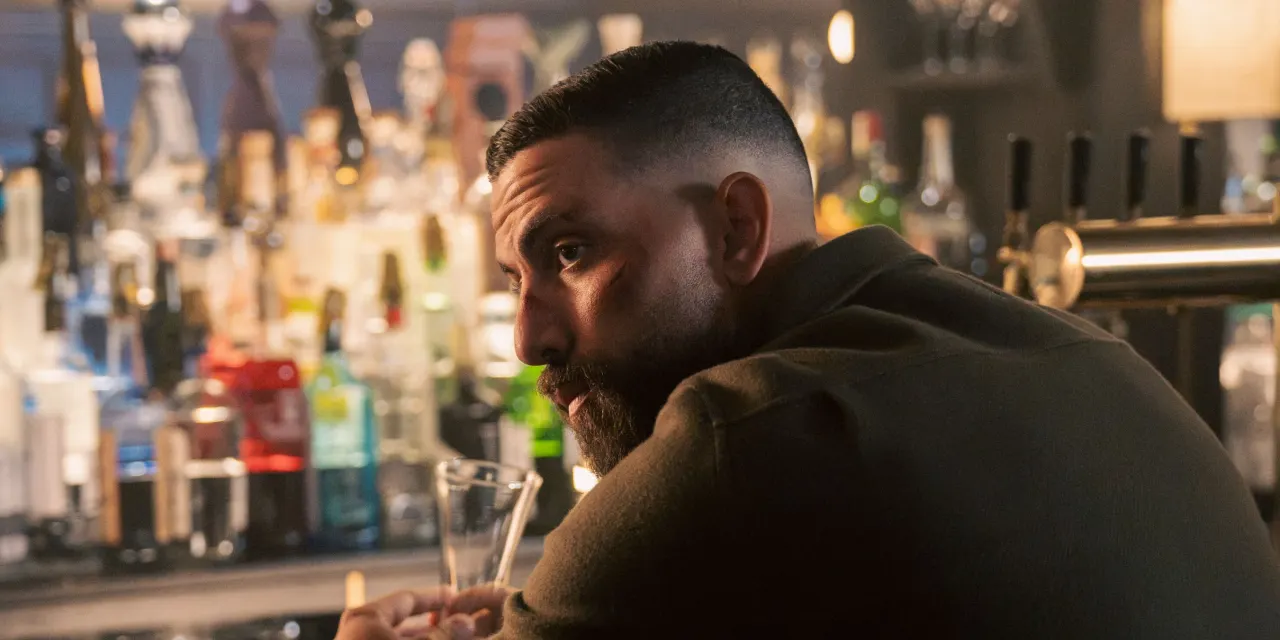
OA’s undercover operation against Anna Vorpe is entering its final stages in the third episode of FBI’s ninth season. To protect his cover, he has taken morally dubious steps, including staging an explosion, and the team hopes the operation will help identify who is protecting Vorpe.
A preview shows Anna receiving an angry call from an ally after the explosion drew unwanted attention in London. OA had arranged the incident so the FBI could monitor the call, but Scola is upset to learn Maggie and others concealed the real reason OA was “fired”. Isobel argues that keeping the operation secret is important to the bureau’s effort to bring Vorpe and her Strike Team down.
- OA’s undercover mission against Anna Vorpe is nearing its conclusion.
- He staged a London explosion to help the FBI monitor a call.
- Scola objects after learning the truth about OA’s supposed dismissal.
Both sides, in good faith
The strongest fair case each way — we don't pick a winner.
The case for
Keeping OA’s operation secret can be justified if disclosure would expose him, compromise evidence or put colleagues and the investigation at risk. Isobel’s position reflects the view that a carefully managed deception may be warranted to dismantle a dangerous group and identify those protecting Vorpe.
The case against
Concealing the real reason for OA’s apparent dismissal risks undermining trust within the team and leaving colleagues unable to make informed decisions. Scola’s concern reflects the view that secrecy and staged violence can carry serious ethical costs, and that protecting the operation should not automatically outweigh accountability or the safety of others.